
TPO Roofing in Corona, CA
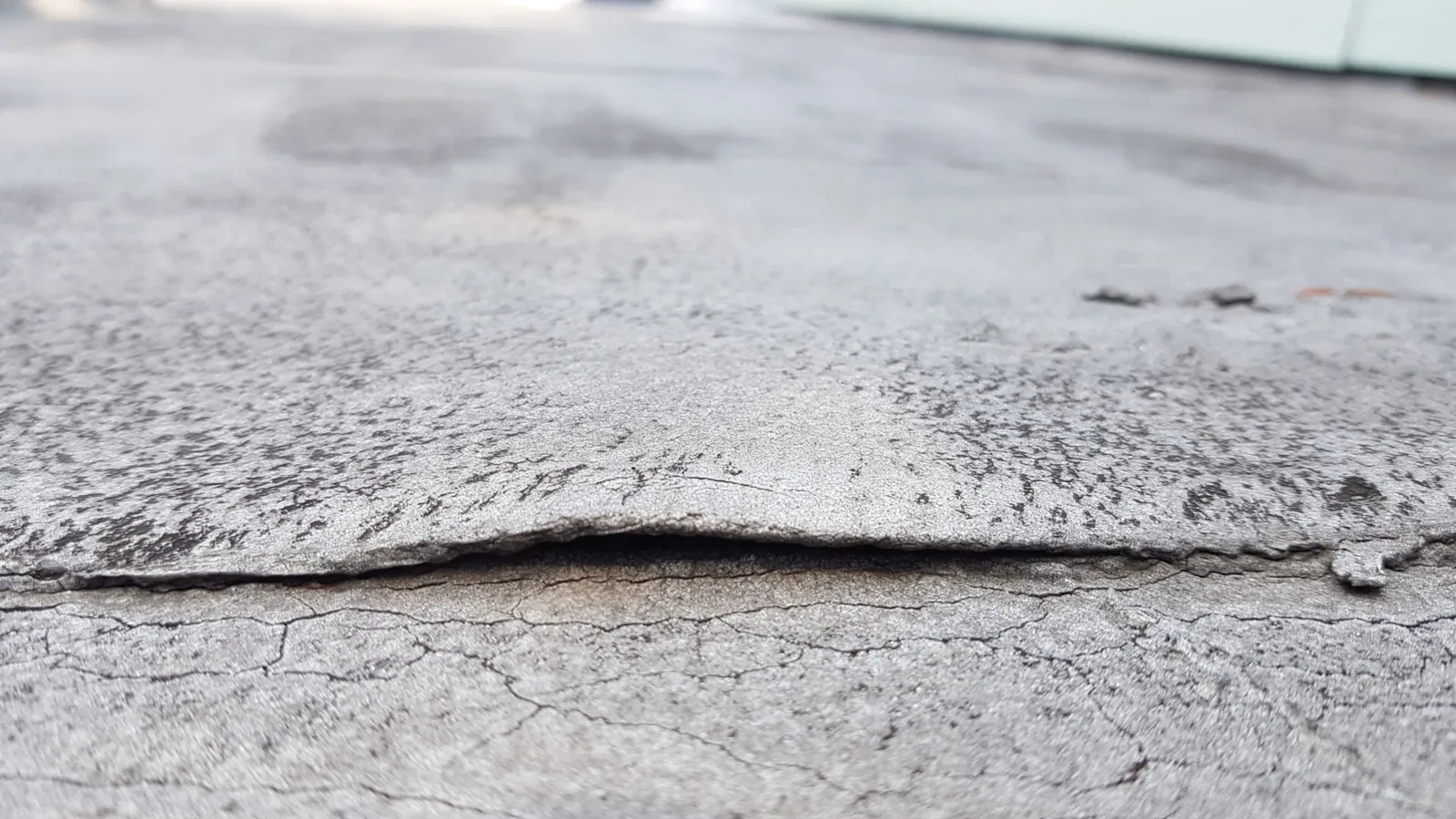
TPO Roofing
Locate the proposed field seam on a Corona warehouse drawing and examine the receiving sheet before choosing the welding procedure. Identify the material and its current surface condition, then review the relevant product requirements. That first step gives the owner a connection method tied to the actual roof instead of treating a smooth-looking seam as the complete evidence of installation quality.
TPO roofing in Corona, CA uses a thermoplastic single-ply membrane with heat-welded connections. We review the sheet within its complete supporting and attachment arrangement. The owner receives preparation, details and relevant checks in order. The system needs a usable construction basis at the property, including appropriate information for retained layers or supporting questions before installation relies on them.
Compare PVC sheet construction with the specified TPO arrangement through actual product and exposure information. Set out the different joining method for EPDM construction. Include the corresponding preparation and interface tasks for each option, then review the complete roof quantity with the owner before procurement relies on it.
Request a Roof Assessment
Establish the existing roof and proposed construction
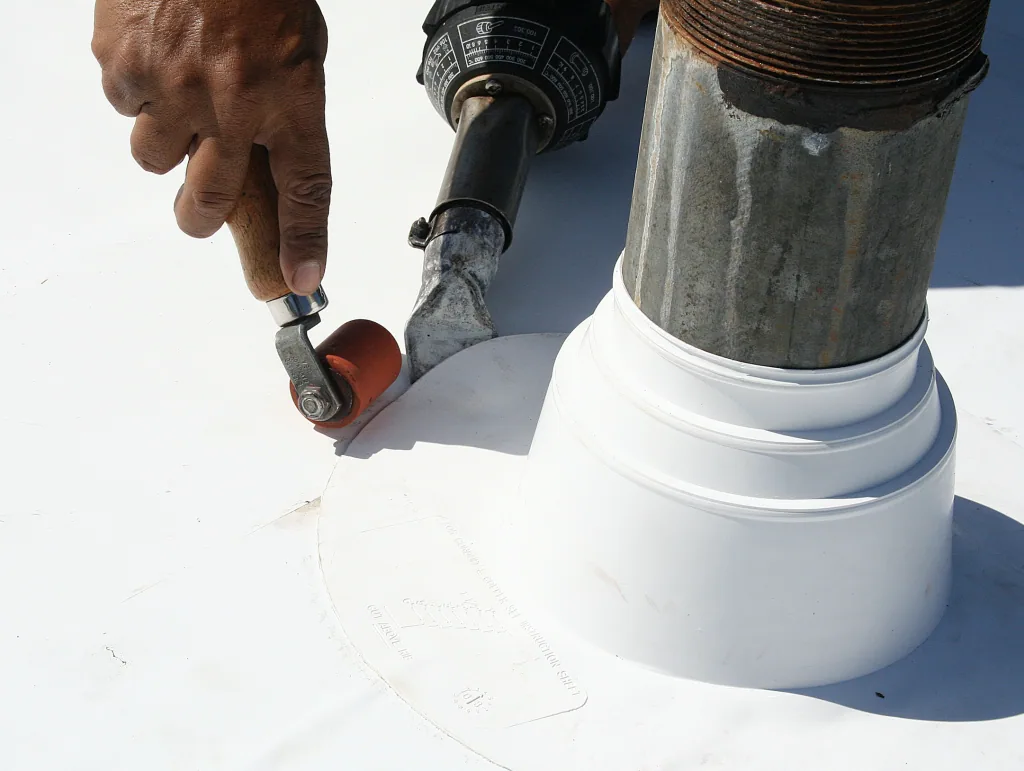
Review available roof documents, previous repair locations and accessible condition. Locate relevant field damage, outlets and equipment interfaces. Suitable authorized investigation may be necessary where concealed layers affect the proposed work. Keep sample findings at their locations and the remaining extent question assigned to further assessment.
Our roof assessment organizes accessible coverage. A suitable thermal investigation can contribute interpreted patterns under appropriate conditions, with confirmation for the concealed decision. Those observations need to be reviewed alongside the complete proposed assembly. The owner can then distinguish a supported correction from another task needed before selecting retention or removal.
Request a Roof Assessment
Select the membrane with the complete assembly
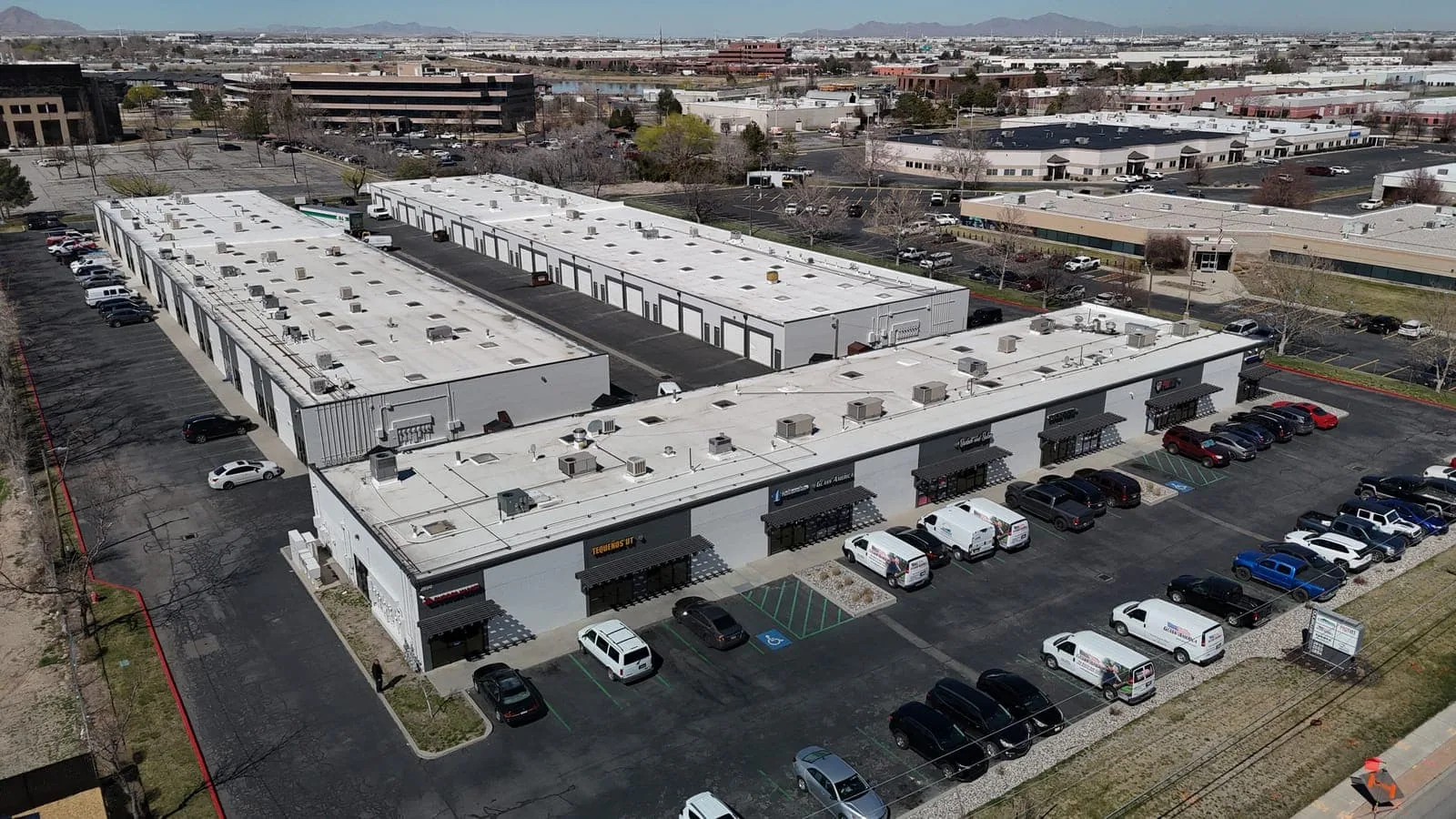
Review the specified deck, insulation, cover board and attachment together with the membrane. Applicable system and project requirements establish their suitable arrangement. A preferred sheet does not by itself establish complete fire or wind performance. Qualified professionals address relevant supporting questions where needed for the actual construction.
Our supporting-layer planning identifies build-up and preparation tasks. Compare components with the selected approved assembly and product instructions. Record their intended role before procurement.
For the selected attachment method, identify which receiving construction must be ready and what installation information the crew needs. An adhered arrangement and a mechanically attached assembly have different preparation and connection tasks. Keep the usable substrate or fastener basis with the relevant roof section. If the construction exposed during work differs from the proposal, record the location and obtain the required review before extending installation. The owner should see the resulting correction and material decision together rather than learning at closeout that the assumed assembly changed. If a substitute is proposed, review the consequence for the complete construction rather than assuming a similar description leaves every attachment, detail or project requirement unchanged.
Request a Roof Assessment
Prepare the actual receiving surface
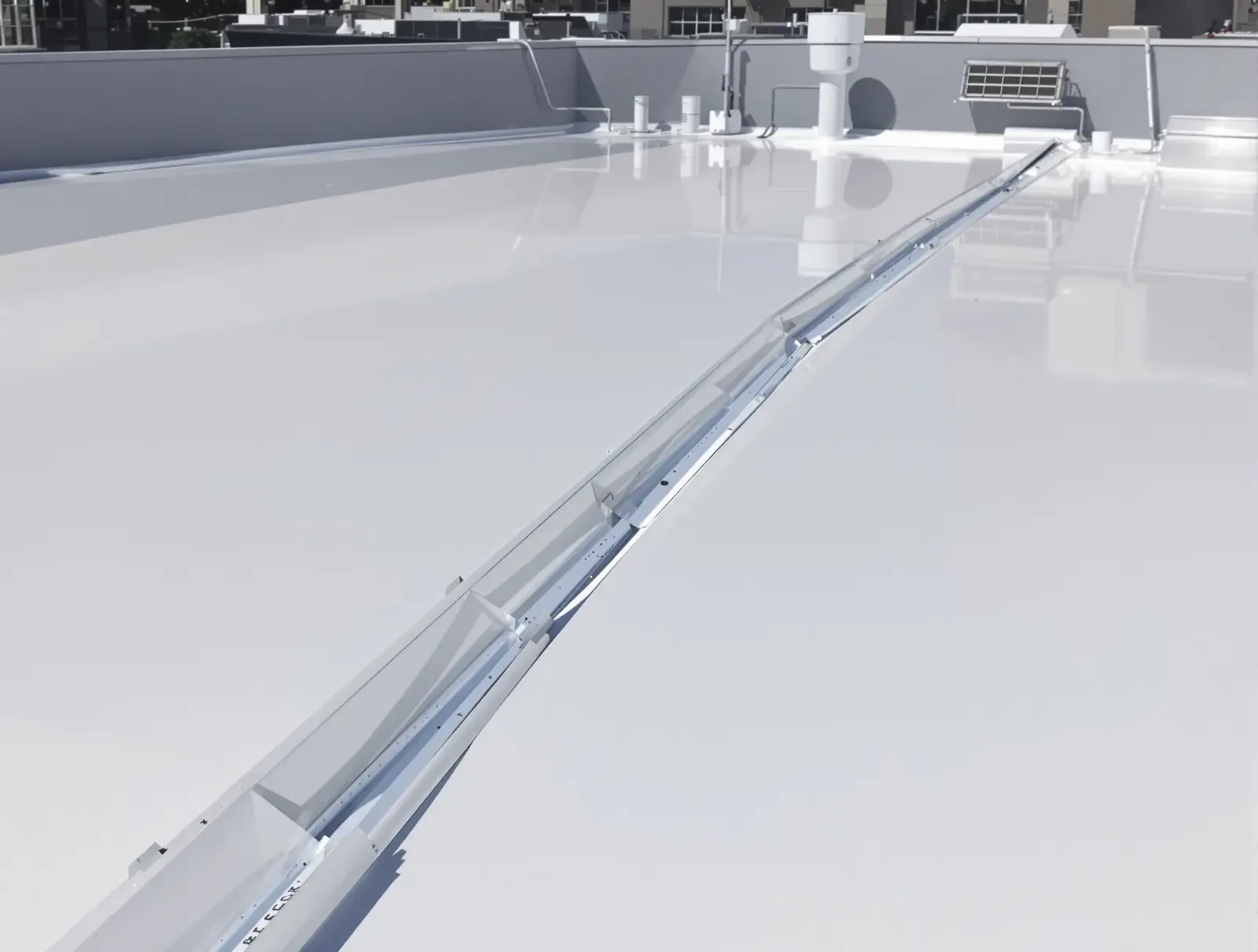
Examine current condition and follow the suitable selected procedure for cleaning and preparation. Prior treatment, contamination or damaged receiving material may affect a repair connection. Identify any evaluation needed before compatible material is applied. A matching membrane label does not establish that an older sheet is ready for the intended weld or bond.
Our local repair review defines the defect and suitable preparation. Product and method requirements also govern a new installation. Review substrate readiness and material conditions before advancing the task. The owner should know which preparation is complete and which requirement remains unmet, with any changed period connected to the next access or operator arrangement.
Request a Roof Assessment
Roof Systems
Related Commercial Roofing in Corona
Other services, systems and buildings that often come up alongside this work.
Roof Systems
Commercial Roof Systems We Work With
Single-ply, built-up, metal and coating systems we install and repair across Corona:
TPO Roofing
Corona TPO roofing reviews the complete assembly, compatible welded details and suitable installation checks before defining the work sequence.
PVC Roofing
Corona PVC roofing reviews product-specific exposure, complete assembly requirements and compatible welded details before planning the roof work.
EPDM Roofing
Corona EPDM roofing reviews rubber membrane condition, compatible seam procedures and complete supporting requirements before planning the work.
KEE Roofing
Corona KEE roofing reviews the selected membrane, actual exposure and complete construction before coordinating suitable preparation and details.
Modified Bitumen Roofing
Corona modified bitumen roofing reviews layered construction, suitable application methods and actual facility.
Built-Up Roofing
Corona built-up roofing examines layered construction, suitable repair connections and application controls before defining the complete work.
Need Help With a
Commercial Roof?
Establish welding and relevant checks
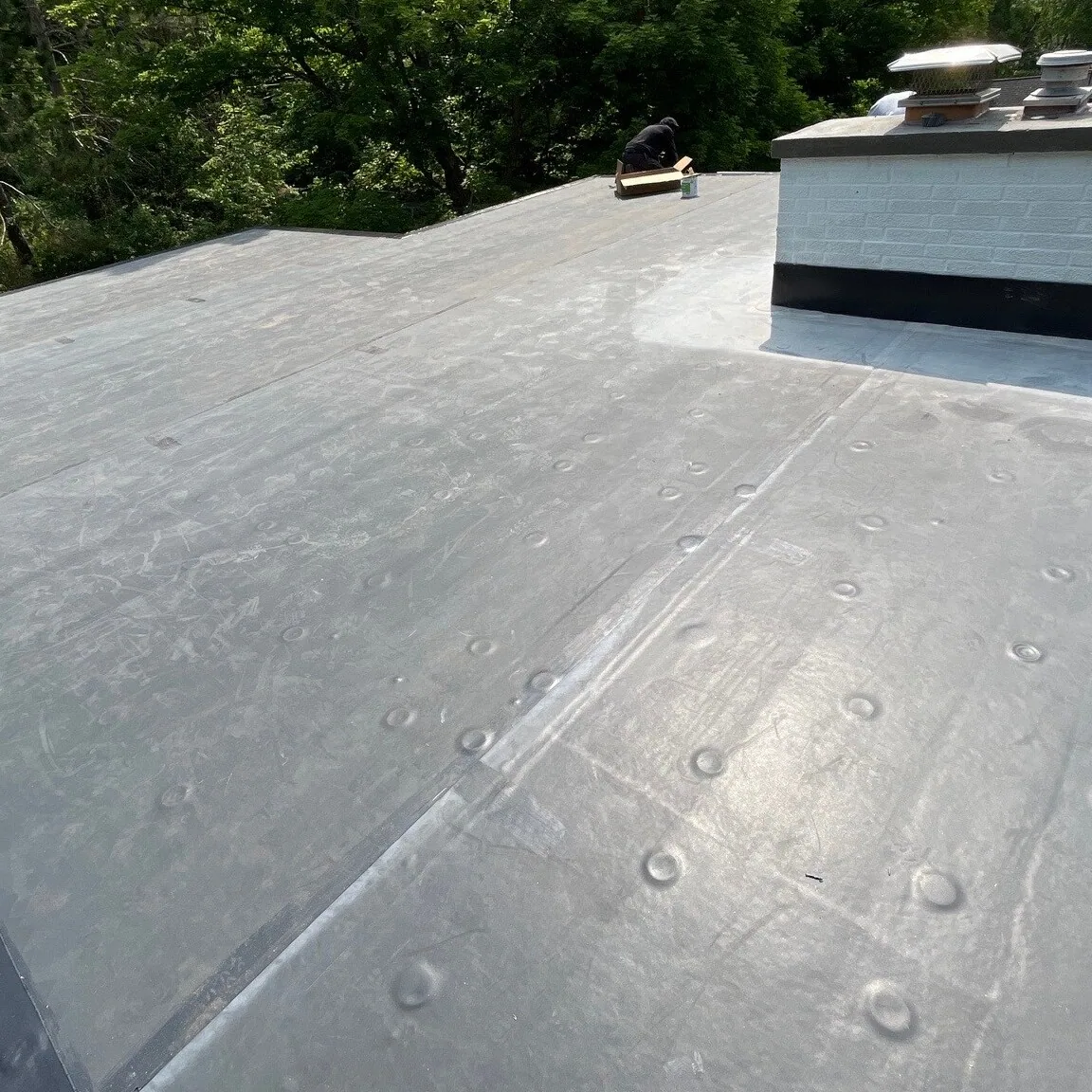
Use the selected membrane procedure to establish suitable welding settings for the actual material and conditions. Required trial or connection checks belong in that process. Review completed seams through the appropriate method and record relevant results at usable locations. Appearance alone should not take the place of the specified examination.
Our seam correction planning addresses a supported connection concern. Where a setting or procedure needs adjustment, establish the usable method before advancing affected seam work. Record any correction and its subsequent check. The owner can then distinguish material placement from the evidence used to evaluate the completed connection at that location.
Request a Roof Assessment
Construct details through their suitable interfaces
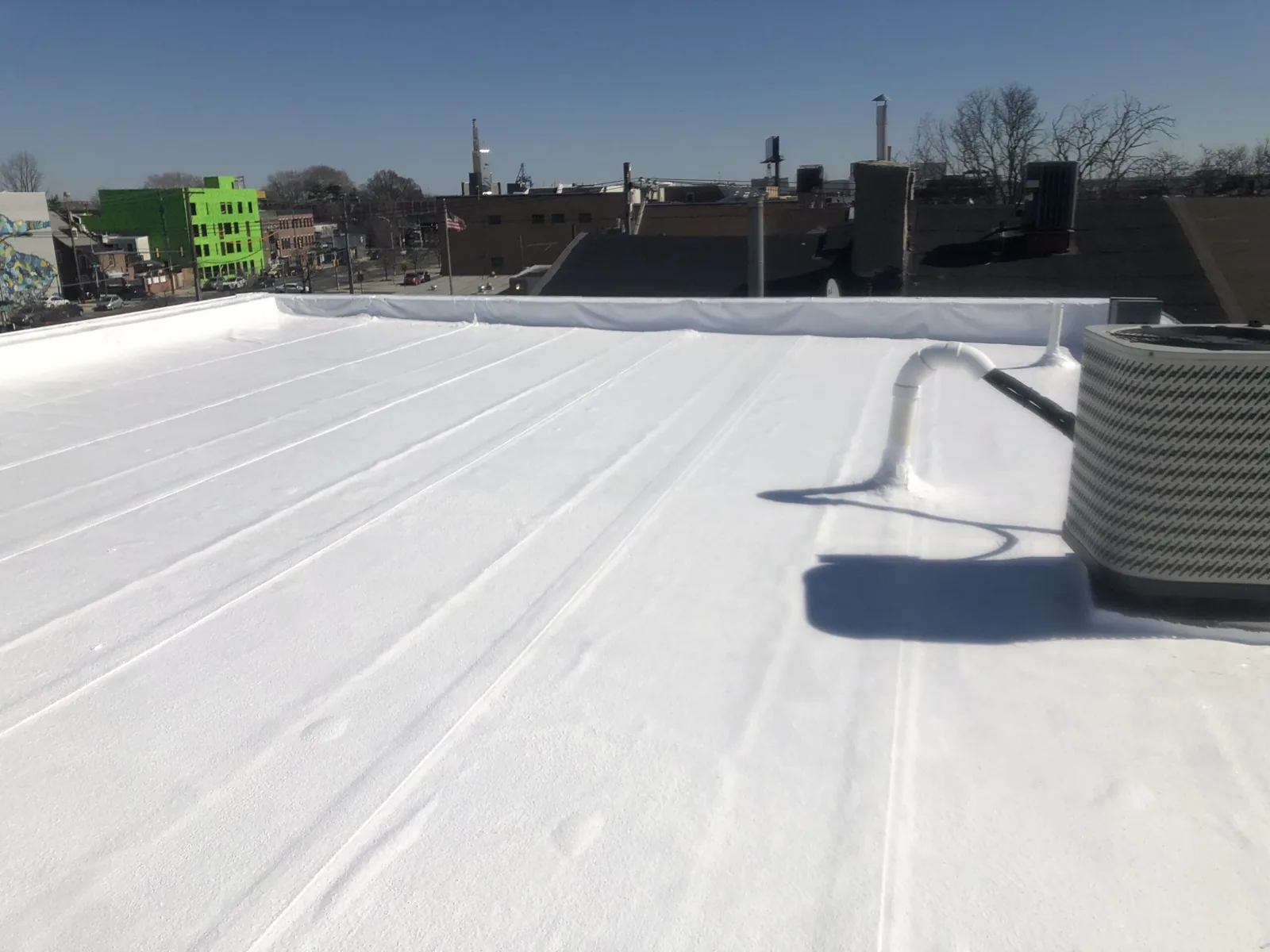
Review the actual geometry and compatible components at roof openings and changes in plane. Our penetration work defines those roofing connections. Equipment or adjoining wall tasks may need completion first. Keep the responsible contact and required information in the sequence before field installation relies on the interface being ready.
Our perimeter coordination connects suitable edge construction with the selected assembly. Review outlet and finished-height relationships alongside it. A new membrane should have appropriate drainage and detail geometry, not a field scope that leaves those connections unspecified. The owner receives the complete proposed arrangement and enabling tasks before materials are committed.
Request a Roof Assessment
Review local readiness and project basis
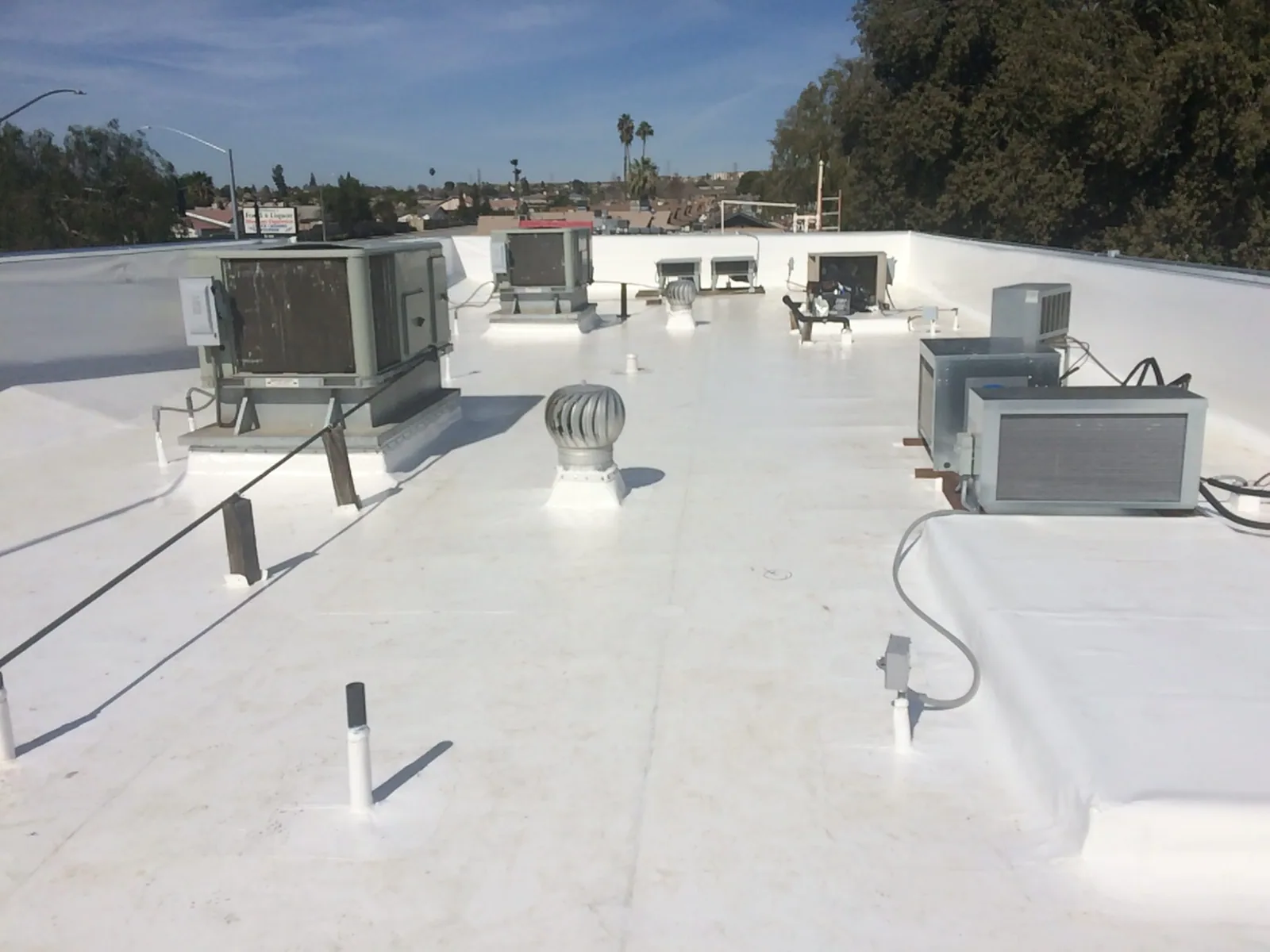
Corona's hot summers and cooler-season rain frame planning. Current surface observations and the selected materials establish the useful application task. Regional Santa Ana conditions may affect access and handling. Review those conditions directly rather than assigning a fixed start time or extra fastener row from a regional weather statement.
At Rincon Corona Industrial Park, obtain actual receiving and access instructions for the building. Its documented location off SR-91 makes this a useful preparation task. A Norco property needs separate arrangements. For Corona municipal work, resolve the adopted CBC 2025 provisions and amendments through the accepted submission, alongside applicable energy approaches or exceptions for the alteration.
Request a Roof Assessment
Keep the completed system and future tasks located
Retain membrane and component identification, installed references and relevant checks with approved changes. Explain any unfinished task and the personnel coordinating it. Manufacturer and workmanship terms need review through actual documents. The owner should receive a usable account of the completed assembly rather than a general statement about a material family’s expected life.
Our maintenance coordination can organize accessible examination around the final roof. Add later equipment work and fresh observations at the same references. A new interior drip needs suitable source assessment rather than an automatic conclusion about the nearest field seam. The known construction and repair record help assign the next useful investigation.
Keep the selected product information available for subsequent correction. Another treatment or equipment interface may require compatible preparation and document review before alteration. Identify that task and access contact so later personnel can work from the actual system instead of selecting repair materials solely from color or appearance.
For TPO, confirm the membrane identification and the condition of the surface where the new weld must form. Check that the intended tie-in uses compatible material and that contamination, weathering or a prior coating will not compromise preparation. A repair scope should identify the weld boundary, corners or penetrations involved and any attachment concern that requires a separate check. If replacement is proposed, compare the existing insulation and deck findings with the specified assembly. Retain photographs of prepared seams and completed transitions so later inspection can distinguish a repaired joint from adjacent original work.
Request a Roof Assessment
Begin with the assembly and an ordered roof walk
Share the address, roof history and proposed work. We will review the TPO construction and provide an ordered account of preparation, suitable details and the next task needed before installation.
Questions
TPO Roofing: Common Questions
Select its supporting layers, attachment and suitable details through the actual assembly requirements. The top membrane is one component. Keep missing supporting information ahead of procurement.
Identify material and receiving-surface condition, then review compatibility and suitable preparation. Establish the appropriate procedure and connection checks. A material label alone does not establish readiness.
Use the selected system procedure and relevant completed-connection examination. Record useful checks and any correction at usable locations. Surface appearance should not replace that evidence.
Review actual project and complete assembly requirements. Regional conditions inform access and investigation without establishing design attachment. The proposed construction needs its own suitable basis.
Retain selected materials, constructed locations and relevant checks with applicable documents. Add approved changes and later observations. The next correction can then use known construction and suitable access arrangements.