Preventive Roof Maintenance in Corona, CA
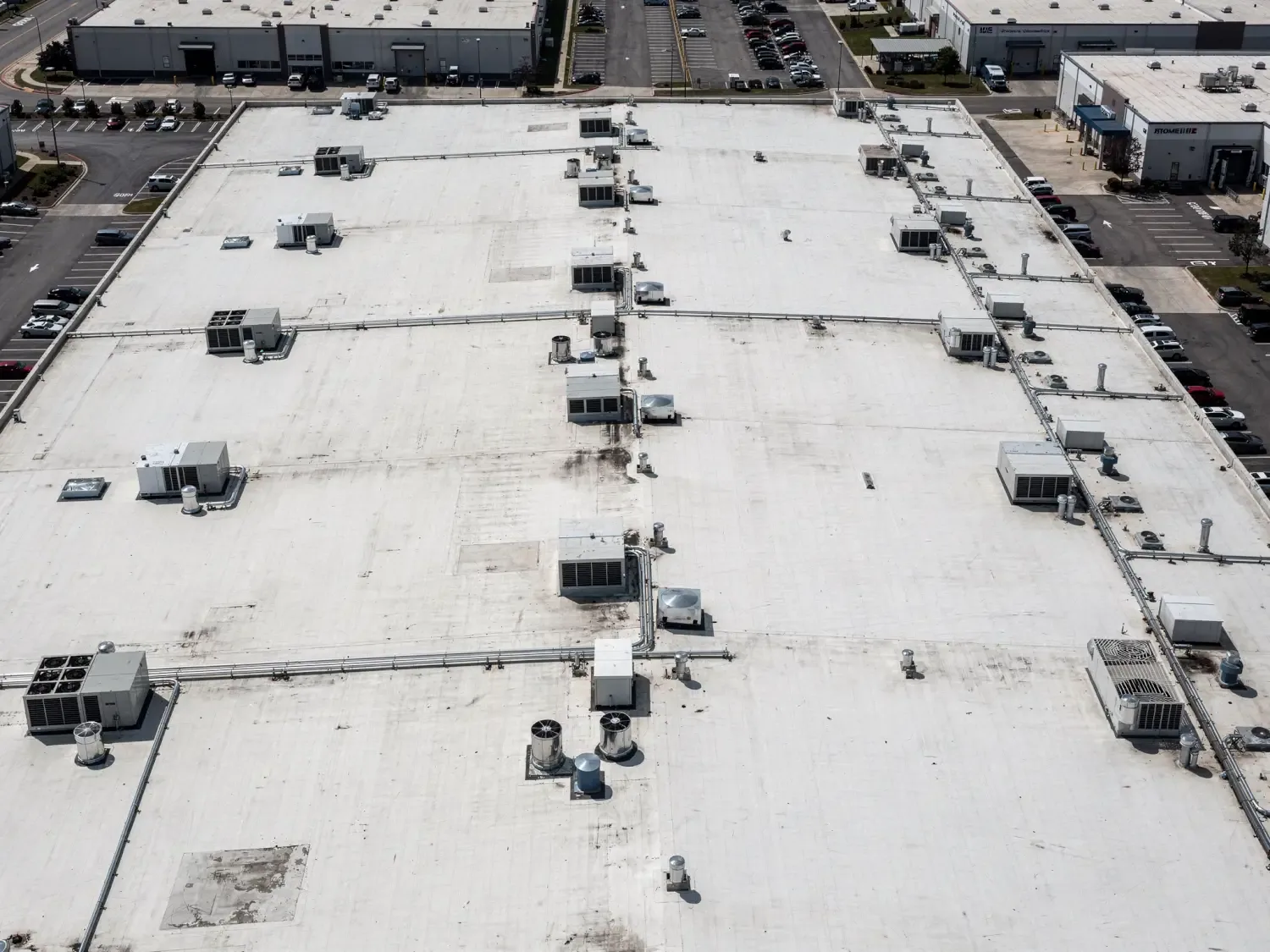
Preventive Roof Maintenance
Open the roof record beside the access point of a Corona warehouse and locate the last corrected outlet before starting the next walk. Compare that connection with its completion photograph, then mark any changed observation. This first step makes maintenance a continuation of the building's known work rather than another unlocated list of concerns.
Preventive roof maintenance in Corona, CA organizes accessible examination and suitable service around the actual roof. We review materials, drainage details and equipment interfaces, then separate a useful routine task from a correction needing authorization. The owner receives the findings in order with their locations. A recurring visit helps manage information and work; it does not establish that every concealed condition or future leak has been eliminated.
Request a Roof Assessment
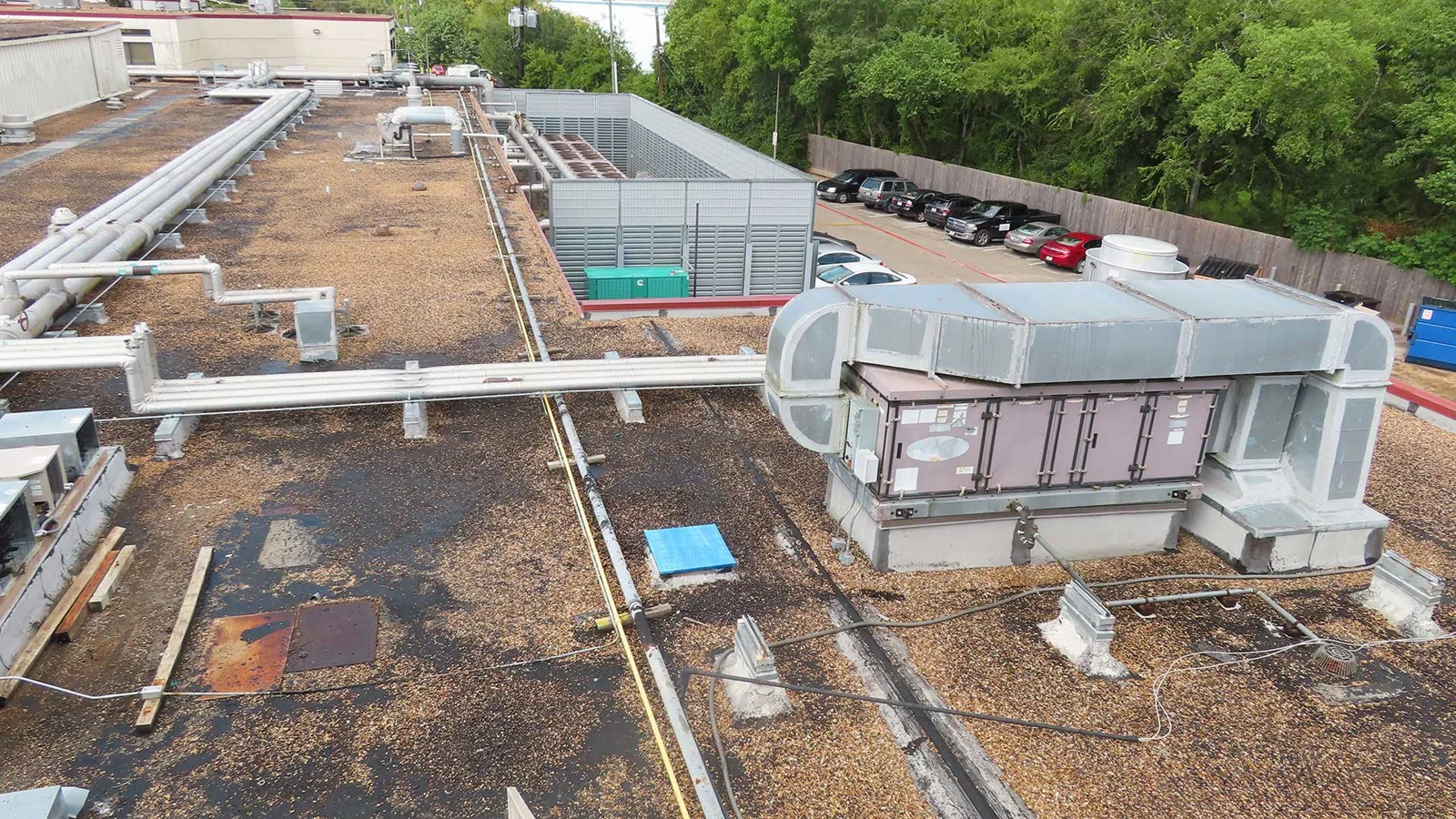
Establish the roof record before setting visits
Collect available assembly documents, prior repair locations and applicable coverage information. Identify the operator contact and access arrangements. Different roof sections may have different materials or service requirements. Keep those references in the record so the planned visit can address the actual construction rather than treating every surface as the same system.
Our initial examination can organize accessible condition and information gaps. Describe any area that cannot be reached or adequately reviewed through the agreed method. The owner should know whether another access arrangement or investigation is needed. A maintenance appointment should not be relied on as complete assessment of a concealed question outside its coverage.
Request a Roof Assessment
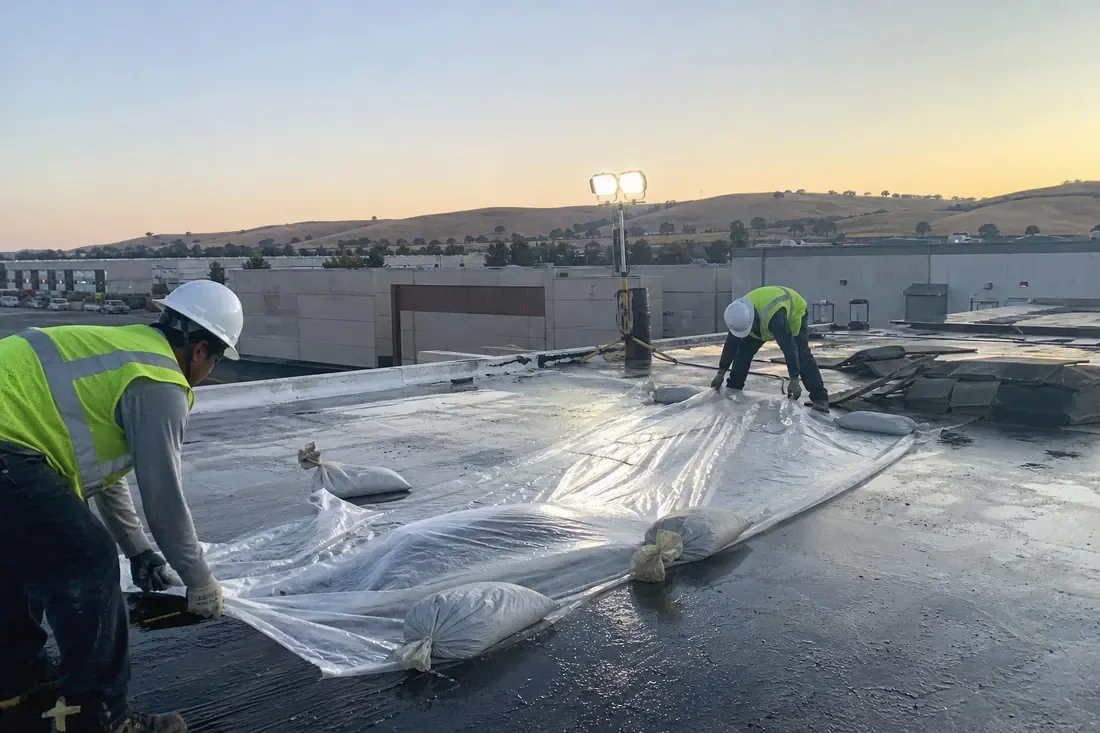
Walk outlets and perimeter connections
Examine accessible outlet details, strainers and drainage observations. Suitable debris removal may be part of the agreed service where the actual arrangement permits it. Record damaged or missing components and any question about the connection. Do not treat a clean opening as proof that all downstream piping or roof geometry is suitable.
Our drainage review identifies relevant roof-side corrections and related tasks. Inspect accessible perimeter material and transitions through a suitable method for the assembly. A loose-looking connection needs examination before selecting attachment or replacement. Locate its observation and proposed next step so the owner can authorize useful work from an understandable finding.
Request a Roof Assessment
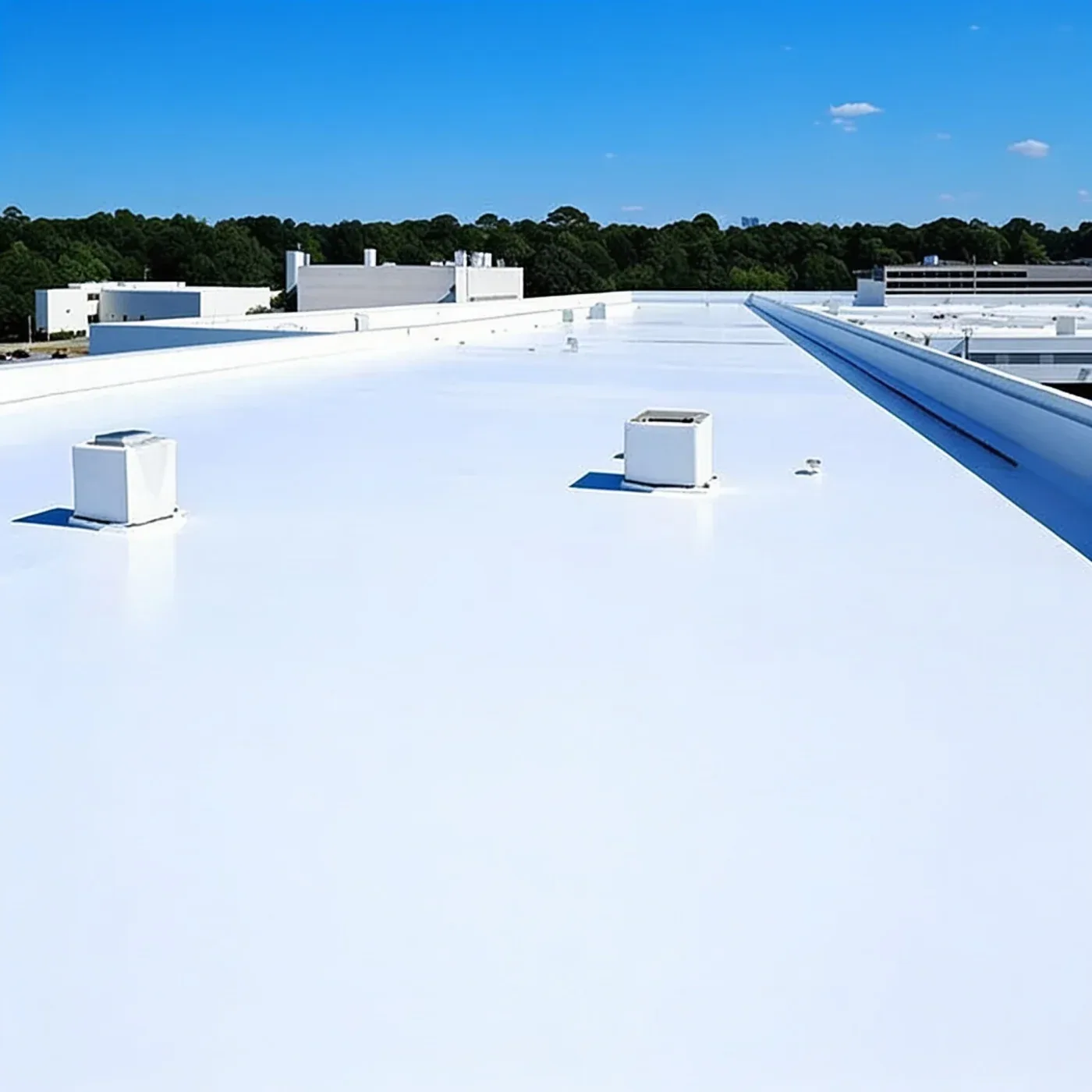
Examine field details and previous corrections
Compare accessible seams, openings and earlier repairs with available location records. Use appropriate procedures for the actual product and connection. A scuffed patch, changed appearance or surface ridge can justify closer examination without proving concealed moisture or automatic failure. Keep the observation separate from the conclusion needing additional information.
Our detail assessment addresses suitable roof-opening connections. Where a defect supports correction, our repair scoping explains compatible preparation and relevant checks. Distinguish work included in the maintenance visit from another task needing materials, access or authorization. The owner should understand that boundary before the crew proceeds.
Request a Roof Assessment
Commercial Roofing Services
Related Commercial Roofing in Corona
Other services, systems and buildings that often come up alongside this work.
Roof Systems
Commercial Roof Systems We Work With
Single-ply, built-up, metal and coating systems we install and repair across Corona:
TPO Roofing
Corona TPO roofing reviews the complete assembly, compatible welded details and suitable installation checks before defining the work sequence.
PVC Roofing
Corona PVC roofing reviews product-specific exposure, complete assembly requirements and compatible welded details before planning the roof work.
EPDM Roofing
Corona EPDM roofing reviews rubber membrane condition, compatible seam procedures and complete supporting requirements before planning the work.
KEE Roofing
Corona KEE roofing reviews the selected membrane, actual exposure and complete construction before coordinating suitable preparation and details.
Modified Bitumen Roofing
Corona modified bitumen roofing reviews layered construction, suitable application methods and actual facility.
Built-Up Roofing
Corona built-up roofing examines layered construction, suitable repair connections and application controls before defining the complete work.
Need Help With a
Commercial Roof?
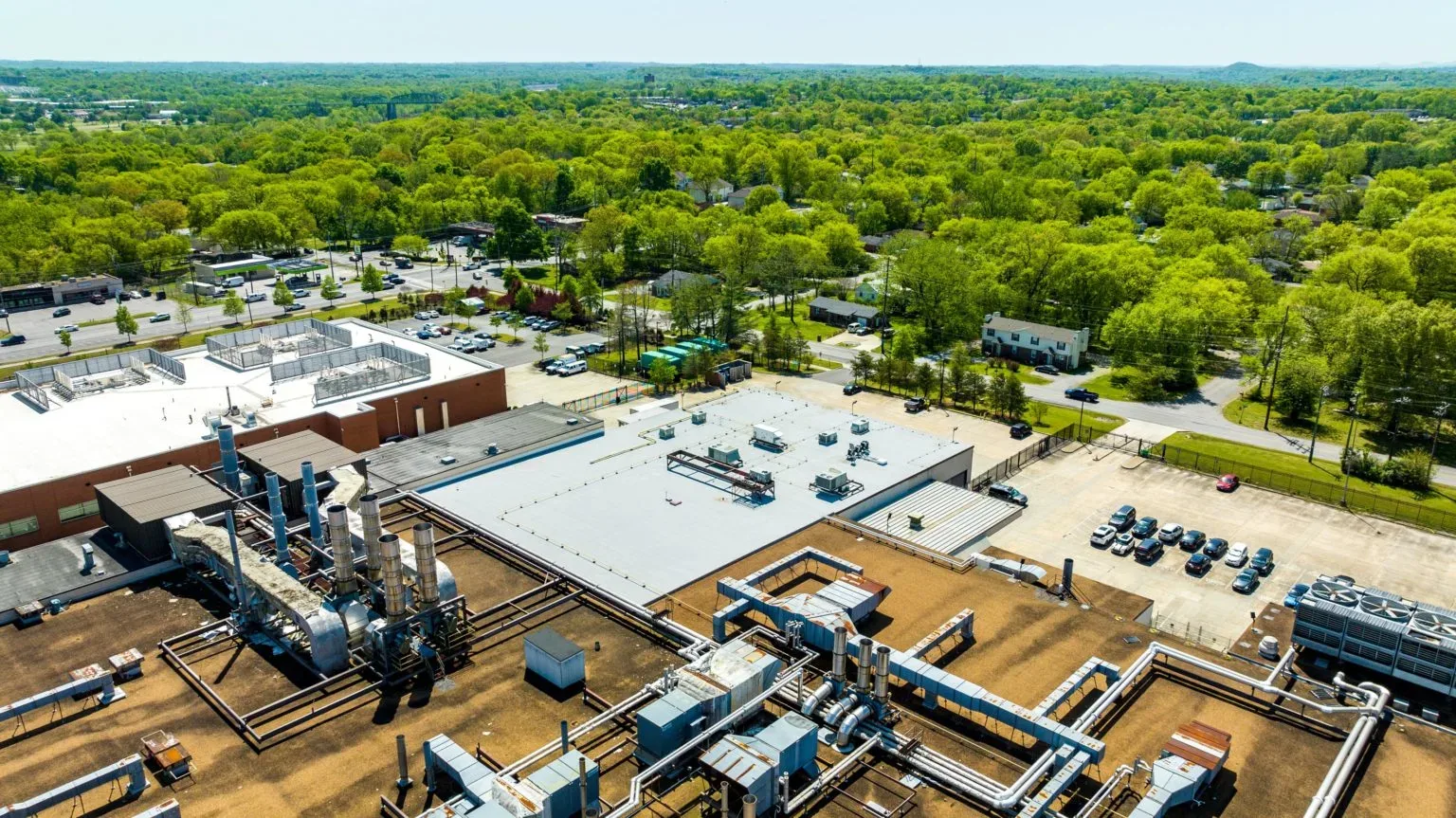
Coordinate equipment activity with roof care
Ask the operator about new equipment, servicing and relevant discharge since the last visit. Examine accessible interfaces affected by those changes. Roofing observations should not substitute for a mechanical or electrical evaluation. Qualified personnel address their systems and any controls needed for suitable roof access or related work.
Our equipment interface coordination defines the roofing connection and relevant trade handoffs. If another crew altered a support or flashing, record its actual arrangement and request the appropriate information. The owner can then assign the useful next task. Keep service routes and necessary coordination in the record so later visits do not depend on an assumed access arrangement.
Request a Roof Assessment
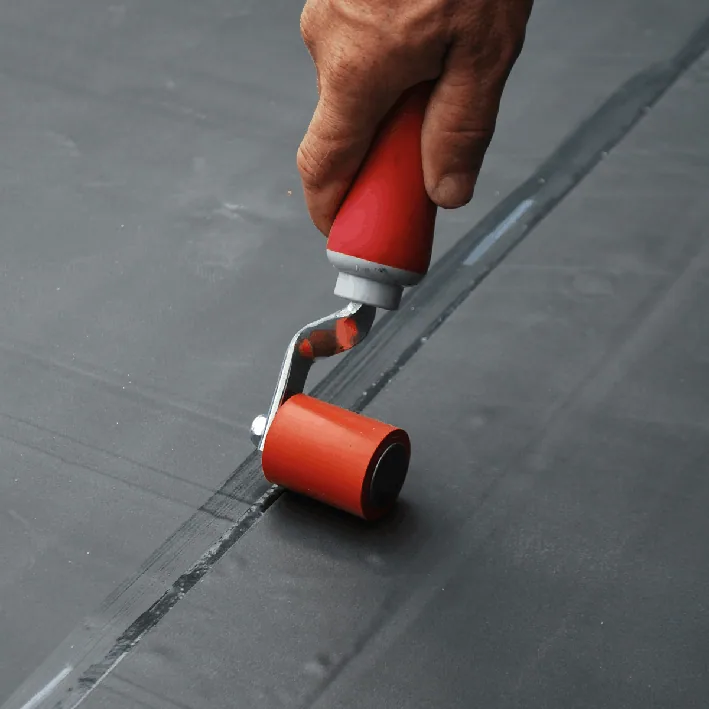
Choose follow-up from the actual findings
A suitable local correction may be addressed through its defined scope, while an uncertain concealed concern needs appropriate investigation. Thermal assessment requires useful conditions, interpretation and confirmation where relied on. Samples provide local evidence rather than automatically defining every retained layer. Keep that investigation outside a routine service conclusion until adequate information supports the next decision.
Our surface restoration review examines suitability where a larger coating option is being considered. A repeated patch location may warrant closer assessment without creating a universal replacement threshold. The owner receives the condition, useful correction and remaining question together. This supports planned authorization from the actual roof rather than a fixed economic rule attached to repair count.
Request a Roof Assessment
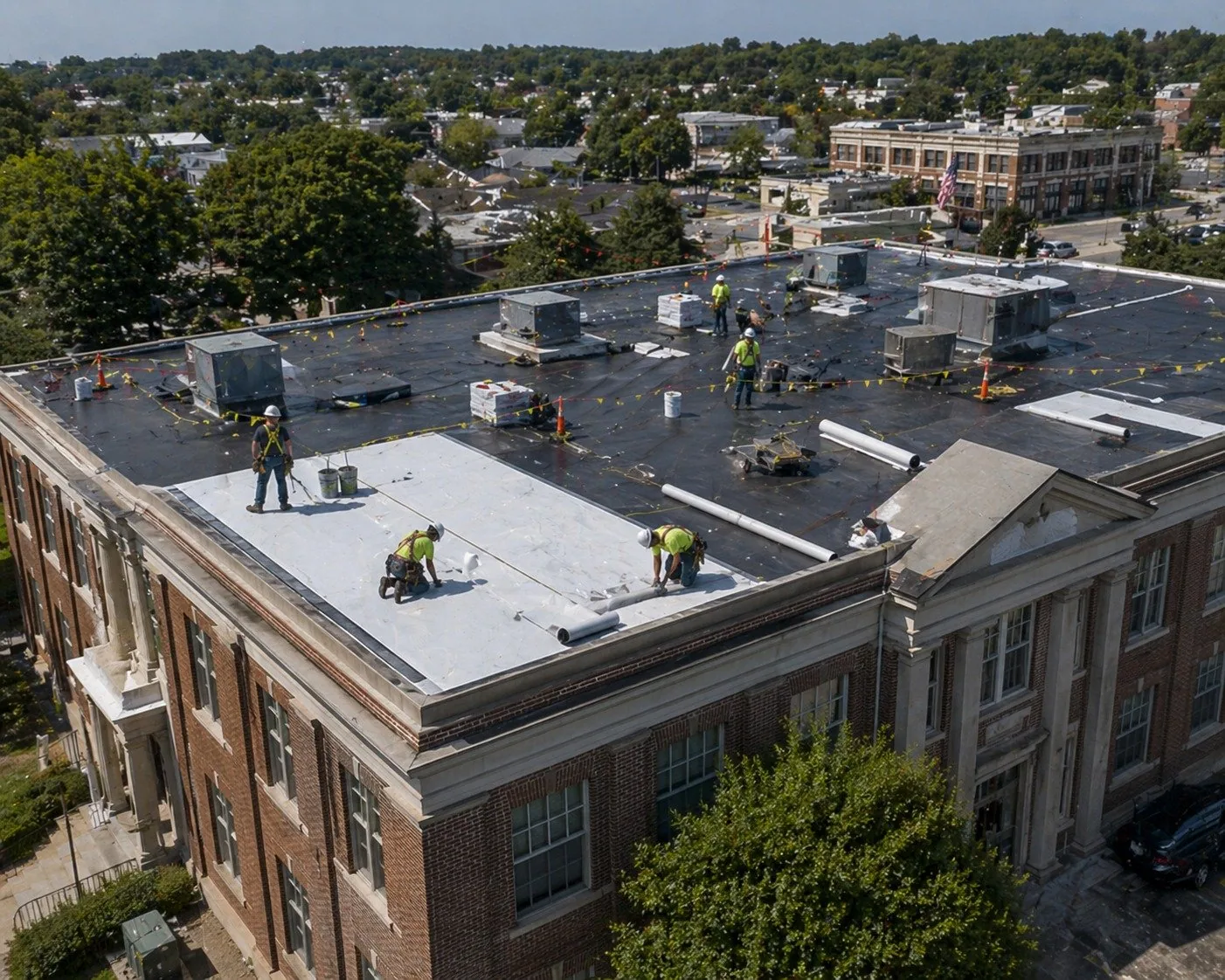
Schedule around the property and current conditions
Corona's hot summers and cooler-season rainfall inform visit planning. Regional Santa Ana winds may affect access and handling. Check current conditions and selected method requirements before proceeding. A post-event visit should assess the property rather than presuming every perimeter connection was damaged. The same principle applies to heat-related surface concerns: record what is observed before assigning a cause.
For Rincon Corona Industrial Park, obtain the actual receiving route and operator contact. Its documented industrial location near SR-91 makes those instructions useful. A Norco property needs separate access and equipment arrangements. Set the maintenance sequence from the building's requirements rather than automatically applying one visit month or start time to every roof.
Request a Roof Assessment
Close the visit and preserve the comparison
Record completed service, located observations and relevant checks with the visit date. Keep earlier images available so changes can be reviewed through their actual coverage and conditions. Identify the next correction, investigation or watch item and the responsible contact. The owner should receive an ordered account that distinguishes completed tasks from work not yet authorized. Record the requested decision beside the affected location, including any further information needed to select the method. The next visit can then begin with that open task instead of treating it as already resolved by the earlier service.
Our coverage coordination reviews actual manufacturer and workmanship documents where relevant. Add later alterations and service requirements to the record. A recurring maintenance plan does not establish every warranty obligation by itself. The useful arrangement connects the selected roof, applicable documents and the tasks the owner needs to coordinate.
If a new interior observation is reported between visits, locate it and arrange suitable source examination. Do not wait for a routine appointment simply because the roof was recently walked. Conversely, a dry interior does not establish all concealed condition. The record should support the next useful task while keeping conclusions within the evidence actually obtained.
Build a maintenance visit around conditions that can change the next repair decision. Record outlet and scupper obstructions, open seams, loose edge details, punctures and any evidence of movement, then distinguish work completed from conditions merely observed. A maintenance note should identify the roof zone, photograph the concern and state whether a trade or property decision is needed. Compare findings with the prior record so a recurring detail is not treated as a new isolated issue. The owner can then assign a localized correction, schedule a closer assessment or retain the condition for follow-up without mistaking routine cleaning for a completed roof repair.
Request a Roof Assessment
Start with the roof record and the next walk
Share the address, repair history and access contact. We will review accessible condition and hand you an ordered account of suitable service, useful corrections and the follow-up needed.
Questions
Preventive Roof Maintenance: Common Questions
Use visits to examine accessible condition and arrange suitable tasks. Concealed questions or changed observations can require another method. The plan should explain coverage and the useful follow-up it supports.
Define the agreed service and separate corrections needing materials or authorization. A supported repair has its own method and checks. The owner should see that boundary before work proceeds.
Review the actual roof, operator arrangements and relevant service requirements. Current conditions affect suitable access. A fixed month does not establish the useful sequence for every building.
Record the changed connection and obtain relevant information from responsible personnel. Review its roof-side condition and appropriate next task. Add the alteration to the same location record.
Retain dates, coverage, observations and completed work at consistent roof references. Keep earlier images and relevant checks. Changes can then be compared without losing the original evidence.