
KEE Roofing in Corona, CA
KEE Roofing
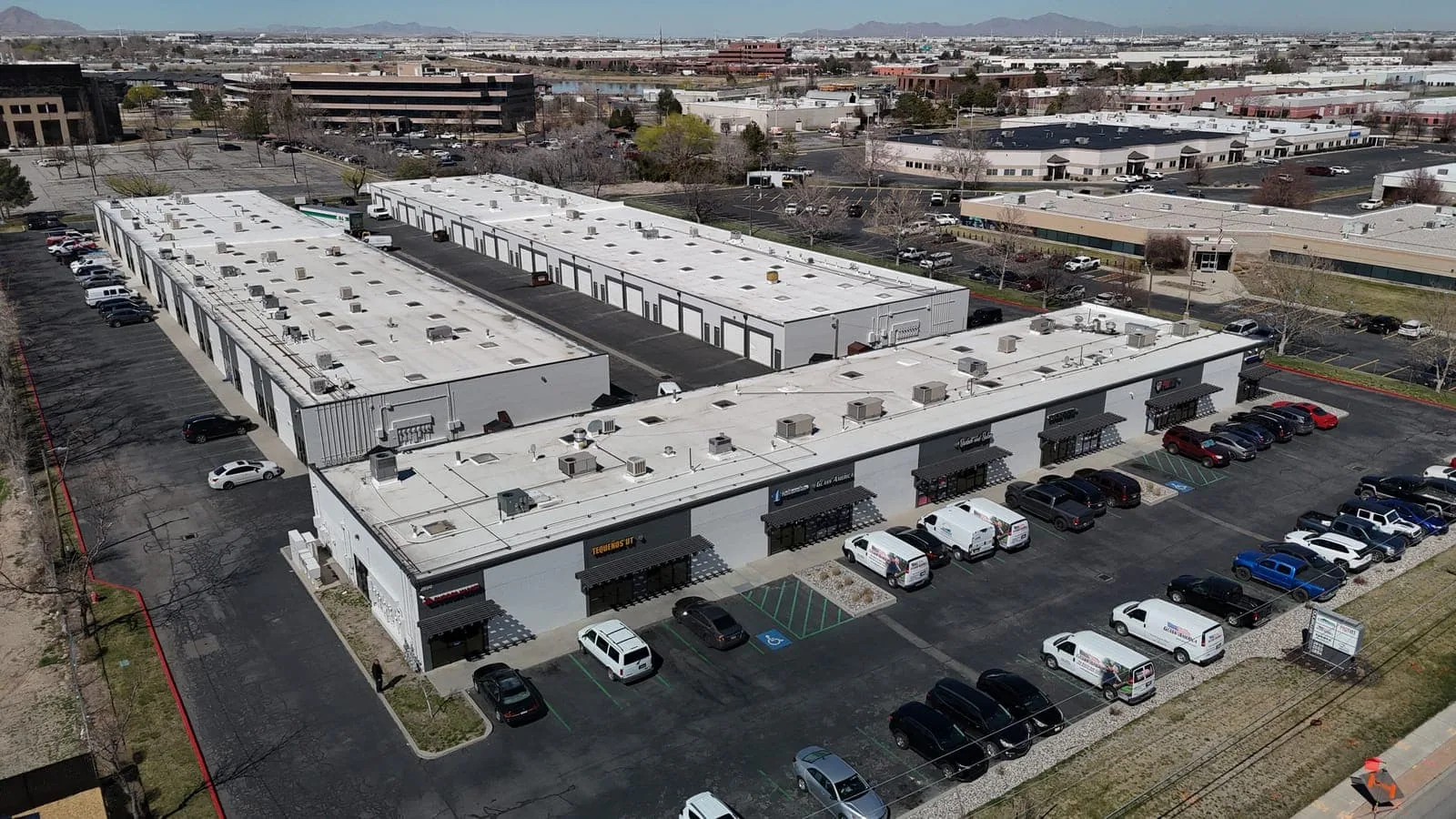
Locate the proposed membrane detail on a Corona commercial building drawing, then review the selected product information beside the actual roof findings. Identify the surface and exposure the connection would rely on. The first pass puts a useful selection question before procurement rather than asking a material designation to establish the condition or suitability of the whole roof.
KEE roofing in Corona, CA involves products identified with ketone ethylene ester chemistry. The actual selected membrane and complete system need their own review. We connect condition, supporting components and appropriate installation tasks in order. The owner receives the product basis and remaining questions, with a clear distinction between a material-family description and the requirements for the proposed construction.
Review the selected KEE-identified sheet against a particular PVC product and a particular TPO product. Use the actual exposure question and assembly requirements in that comparison. Name the necessary preparation and interfaces before pricing, so the owner receives a construction choice rather than a chemistry label standing alone.
Request a Roof Assessment
Establish the existing construction and exposure
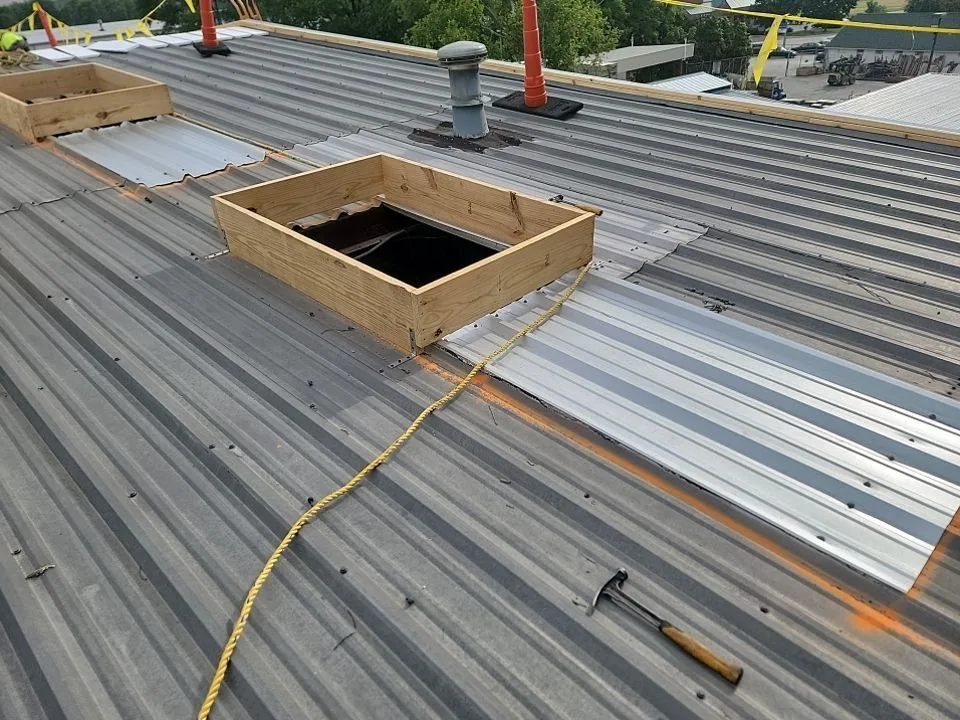
Collect available installation documents and previous repair records. Examine accessible field areas, seams, equipment and roof openings at useful references. Ask the operator about relevant discharge, cleaning and planned equipment changes. These inputs help define the selected product review without treating a building-use label as complete exposure information.
Our roof condition assessment records coverage and relevant gaps. Concealed questions may need suitable authorized investigation. Samples establish local information, and thermal patterns need suitable interpretation and confirmation where relied on. The owner should see the next useful check before the proposal depends on retained layers or supporting condition not yet established.
Request a Roof Assessment
Select the product against its actual guidance
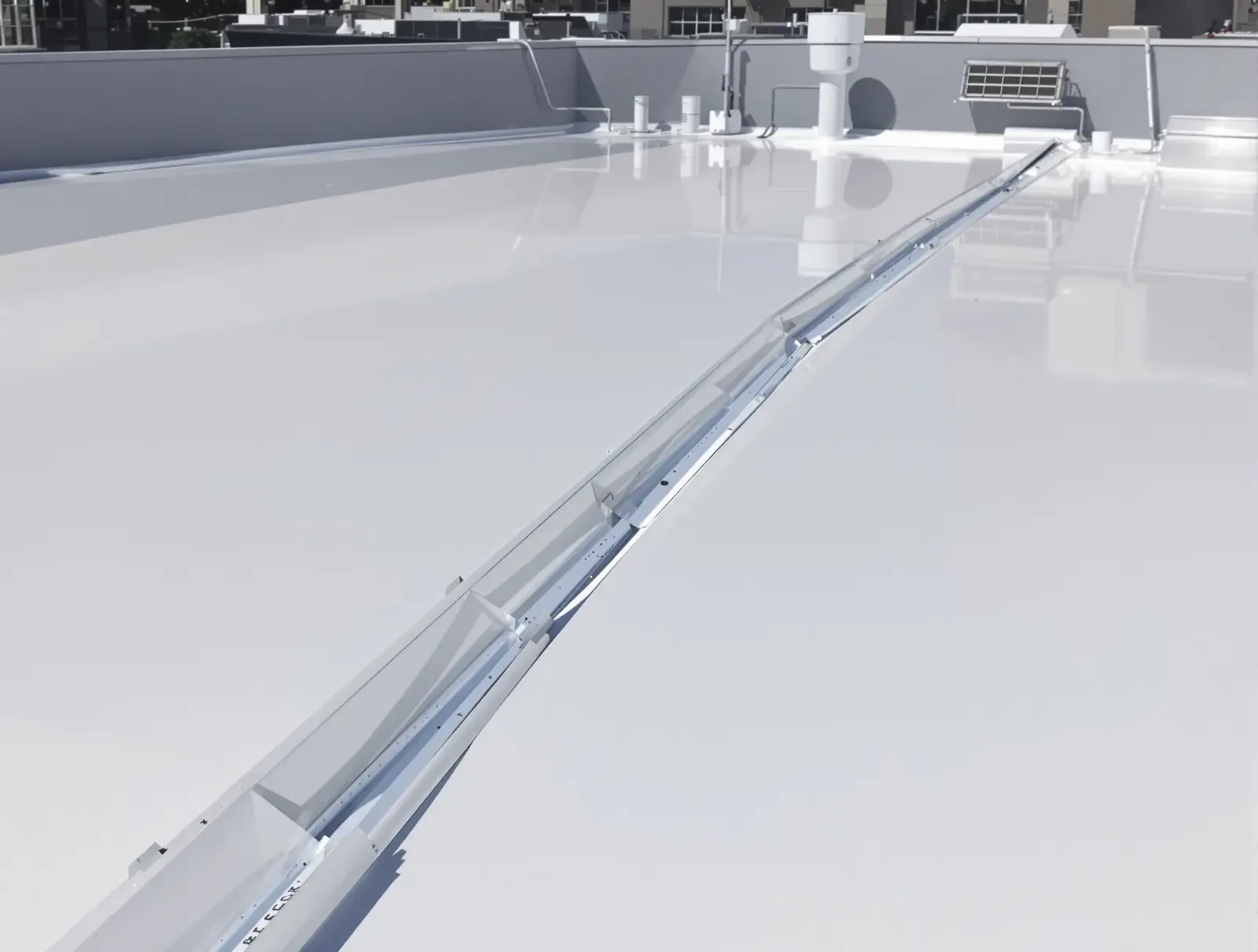
Review the selected manufacturer's information for the intended use and exposure. Different formulations and systems have particular requirements. The KEE designation does not establish suitability for every substance, substrate or prior treatment. Obtain relevant equipment or process information where the material decision needs it.
Our equipment connection review defines the roof-side task with responsible personnel. Identify how discharge is managed and which service route should remain usable. Where another trade must change equipment before the roof can rely on the arrangement, keep that task and contact in the sequence. The owner can coordinate the preceding work from an actual requirement.
Record the source of the product information with the project file and retain the selected materials after approval. If another product is proposed, review its compatibility, complete assembly requirements and exposure basis before treating it as interchangeable. The owner should receive the consequence for supporting components and details alongside that choice rather than discovering the construction assumptions changed during installation.
Request a Roof Assessment
Review the complete supporting arrangement
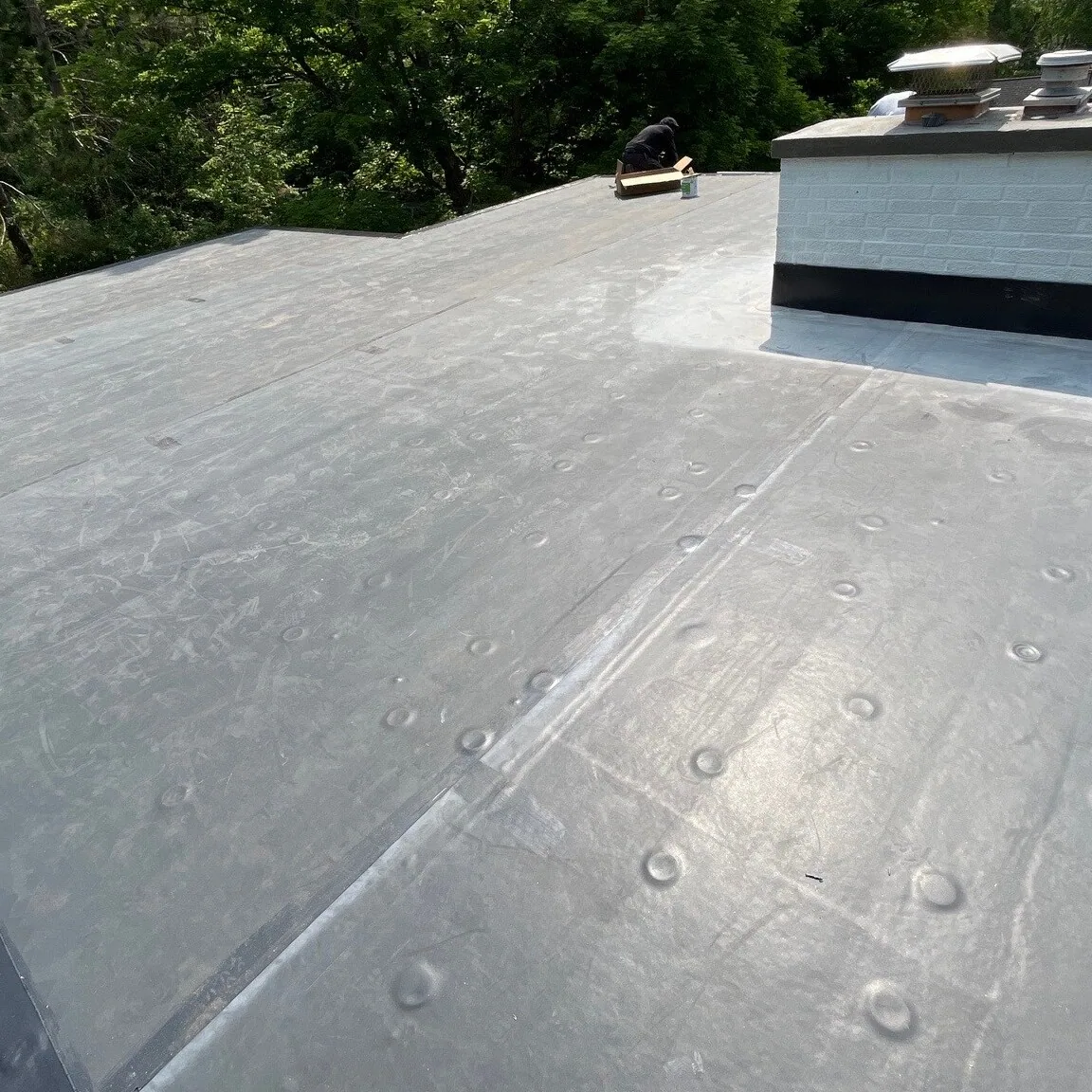
Specify the membrane with suitable layers, attachment and supporting construction. Relevant complete-system and project requirements establish their arrangement. A preferred top sheet alone does not establish fire or wind performance for every roof configuration. Qualified professionals address structural questions where they affect the actual proposal.
Our supporting-layer planning identifies build-up and preparation tasks. A retained layer needs a usable condition and installation basis for its intended role. Dry appearance does not settle all attachment questions. Keep necessary investigation and design information ahead of procurement, giving the owner a complete construction proposal rather than an unsupported material preference.
Request a Roof Assessment
Roof Systems
Related Commercial Roofing in Corona
Other services, systems and buildings that often come up alongside this work.
Roof Systems
Commercial Roof Systems We Work With
Single-ply, built-up, metal and coating systems we install and repair across Corona:
TPO Roofing
Corona TPO roofing reviews the complete assembly, compatible welded details and suitable installation checks before defining the work sequence.
PVC Roofing
Corona PVC roofing reviews product-specific exposure, complete assembly requirements and compatible welded details before planning the roof work.
EPDM Roofing
Corona EPDM roofing reviews rubber membrane condition, compatible seam procedures and complete supporting requirements before planning the work.
KEE Roofing
Corona KEE roofing reviews the selected membrane, actual exposure and complete construction before coordinating suitable preparation and details.
Modified Bitumen Roofing
Corona modified bitumen roofing reviews layered construction, suitable application methods and actual facility.
Built-Up Roofing
Corona built-up roofing examines layered construction, suitable repair connections and application controls before defining the complete work.
Need Help With a
Commercial Roof?
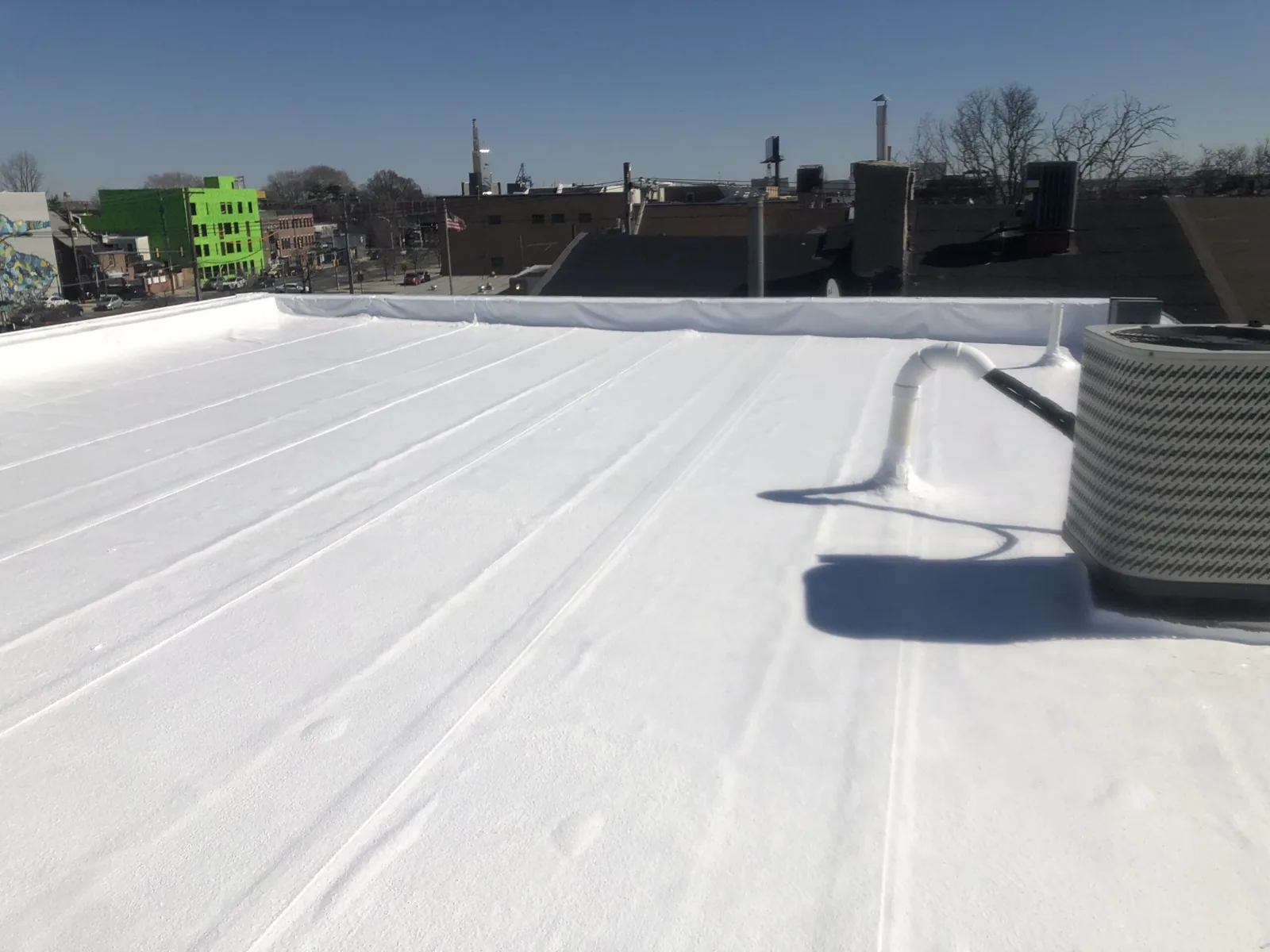
Prepare compatible welded seams and details
Identify the actual receiving material and follow the selected product procedure for preparation and heat-welded connections. Current conditions affect the usable method and settings. Appropriate connection checks belong with that task. Record relevant findings and any adjustment at roof locations that can be compared with completed work.
Our opening detail coordination considers compatible components and actual geometry. Existing treatment or damaged receiving material may require another preparation task. A smooth-looking seam does not provide the full basis for acceptance. The owner should understand which check supports completion and which adjoining connection remains outside the established correction.
Request a Roof Assessment
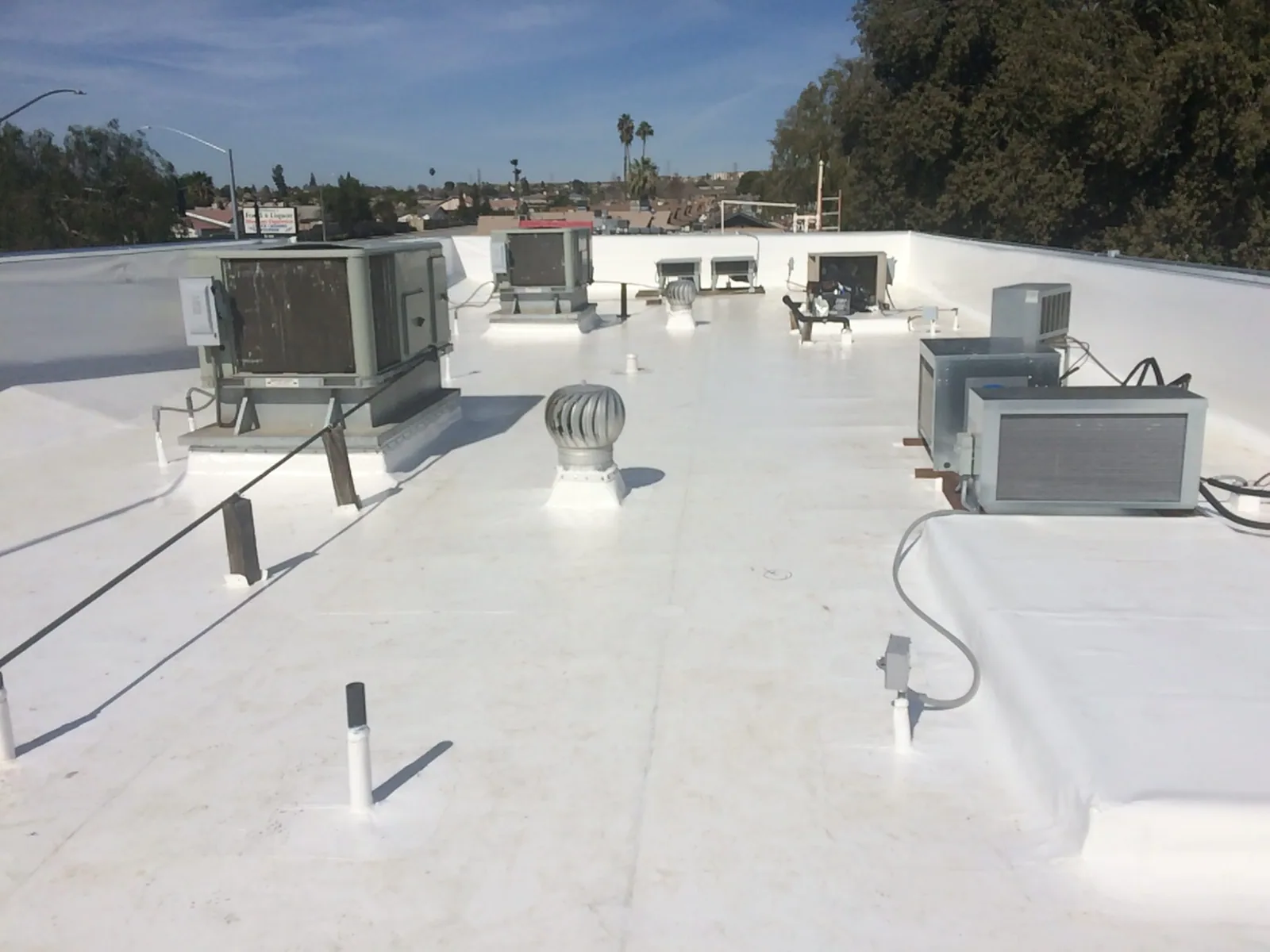
Resolve finished heights and usable service routes
Compare the proposed build-up with outlets, curbs and perimeter details. Our drainage planning identifies roof-side concerns and relevant related work. The selected sheet does not address an unresolved geometry issue by material designation alone. The completed arrangement needs a suitable basis for the water route and detail construction.
Our perimeter interface work connects selected edge components with the roof assembly. Identify any wall or equipment task that must precede the connection. Retain access for later examination and appropriate servicing. The owner receives those enabling tasks before the field installation relies on them, rather than a scope leaving the roof's most important interfaces unspecified.
Request a Roof Assessment
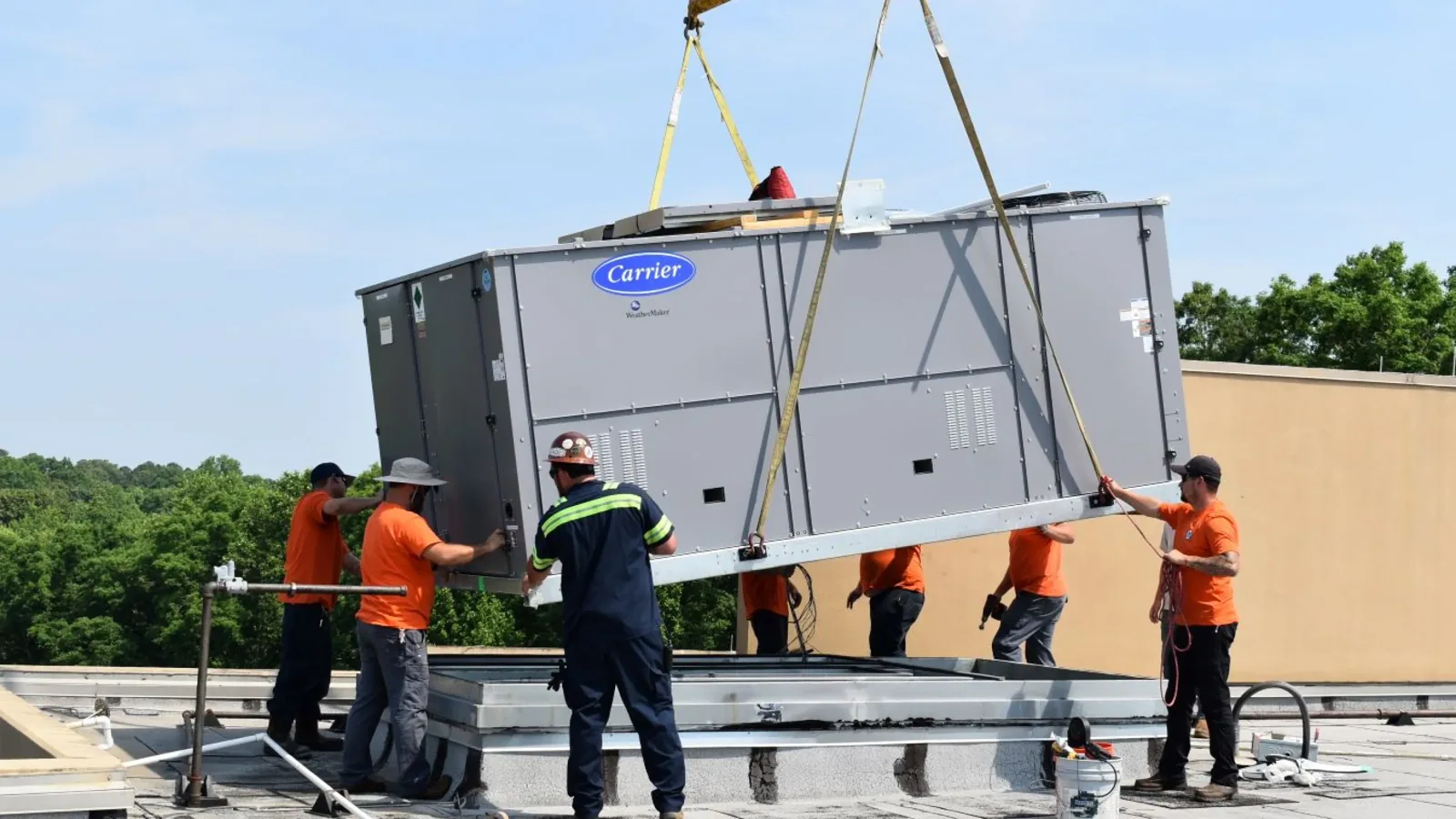
Coordinate current conditions and the project review
Corona's summer heat and cooler-season rainfall frame scheduling. Examine the actual substrate and material requirements before application. Regional Santa Ana winds can affect access and handling. Keep useful preparation separate from a task requiring different conditions; the operator should receive the next access or equipment decision when the planned sequence changes.
For a Norco property, obtain its actual receiving and operating instructions. A Chino building needs separate arrangements and address review. Establish the relevant authority and accepted submission basis. Corona municipal projects use the adopted CBC 2025 with amendments, alongside applicable energy criteria reviewed for the actual alteration and relevant compliance alternatives or exceptions.
Request a Roof Assessment
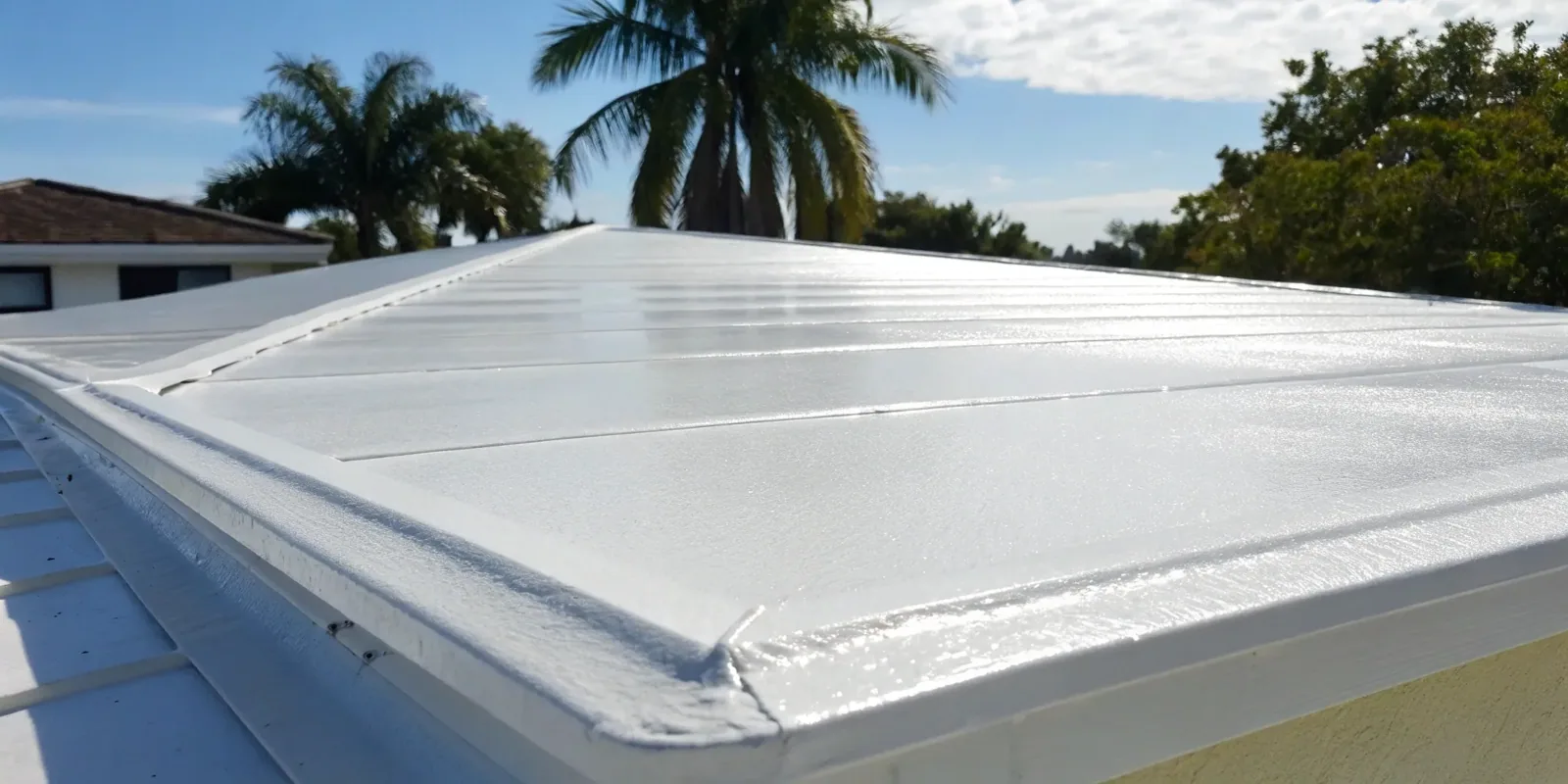
Finish with the selected system and located work record
Retain product and component identification, constructed locations and relevant installation checks with approved changes. Review manufacturer and workmanship coverage through the actual documents. Mark remaining tasks and the contact responsible for arranging them. The owner should receive an understandable record of what was installed rather than a general claim about chemistry or expected life.
Our maintenance coordination can use that file for accessible examination and suitable service planning. Add equipment alterations, fresh damage and new interior observations at consistent references. A renewed drip requires source investigation instead of an assumption about the nearest repaired detail. Keep the completed work and later finding distinct so the next task follows actual evidence.
Confirm which personnel can arrange later equipment involvement and where selected product information is retained. Future repair or alteration needs suitable compatibility and document review before changing the connection. The owner can then assign the next examination from known construction and contacts, without leaving the procedure to be inferred from an unverified membrane label.
Confirm the actual KEE product and approved detail before specifying repair materials. Membrane composition and manufacturer instructions matter at a proposed weld, flashing or coating interface, especially where a roof has been repaired with mixed products. Mark the surface to be removed or prepared, the new material type and the transition into retained membrane. If product identity or compatibility cannot be established from records and field inspection, keep that question open until verified. The completed scope should preserve the product documentation and identify any warranty review needed for the proposed alteration.
Request a Roof Assessment
Begin with the selected product and an ordered roof walk
Share the address, roof records and relevant equipment exposure. We will review KEE construction and provide an ordered account of preparation, compatible details and the next task needed before installation.
Questions
KEE Roofing: Common Questions
Match the selected product information to actual substances and use conditions. Formulations have their own requirements. Keep necessary equipment or process information ahead of material selection.
Identify receiving material and current condition, then establish suitable preparation and procedure. Appropriate checks support the connection. A material category alone does not establish readiness.
Review its intended role within the proposed assembly and relevant attachment requirements. Suitable investigation has stated coverage. Keep missing construction information ahead of installation.
Evaluate the complete system, exposure basis and compatible components before approval. Retain the revised construction requirements with the scope. Similar descriptions do not establish every assumption unchanged.
Keep product identification, completed locations and relevant checks with actual documents. Add changes and observations at the same references. Later work can then review the actual system and access arrangements.