Commercial Roof Inspection in Corona, CA
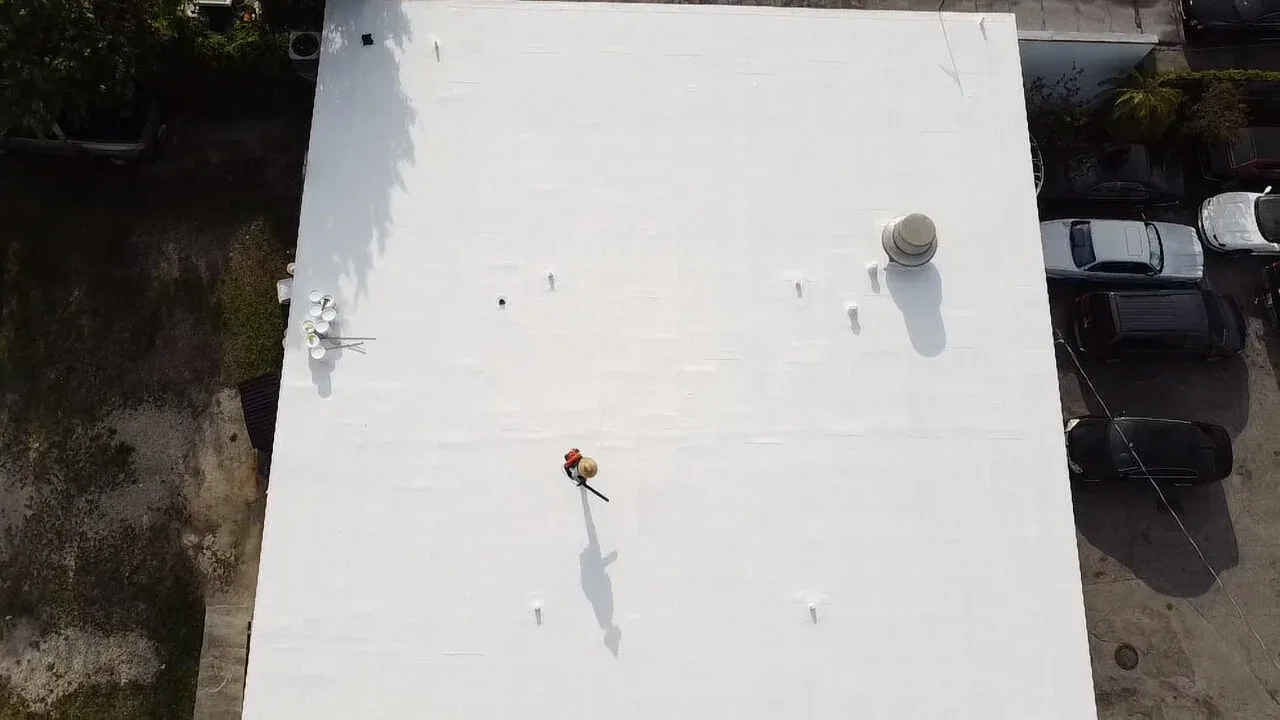
Commercial Roof Inspection
Locate the access point on a Corona office roof drawing, then mark the reported area and check the agreed route before starting the perimeter walk. Record the date and current conditions with the photographs. That first step gives the owner a usable record of the visit and establishes where the accessible examination will begin.
Commercial roof inspection in Corona, CA documents the construction we can examine and the questions that need another check. We review accessible field areas, outlets and interfaces through a method suitable for the roof. The report connects observations with a proposed task or further assessment. It does not treat a glance across the surface as proof of concealed condition or a complete remaining-life calculation.
Request a Roof Assessment
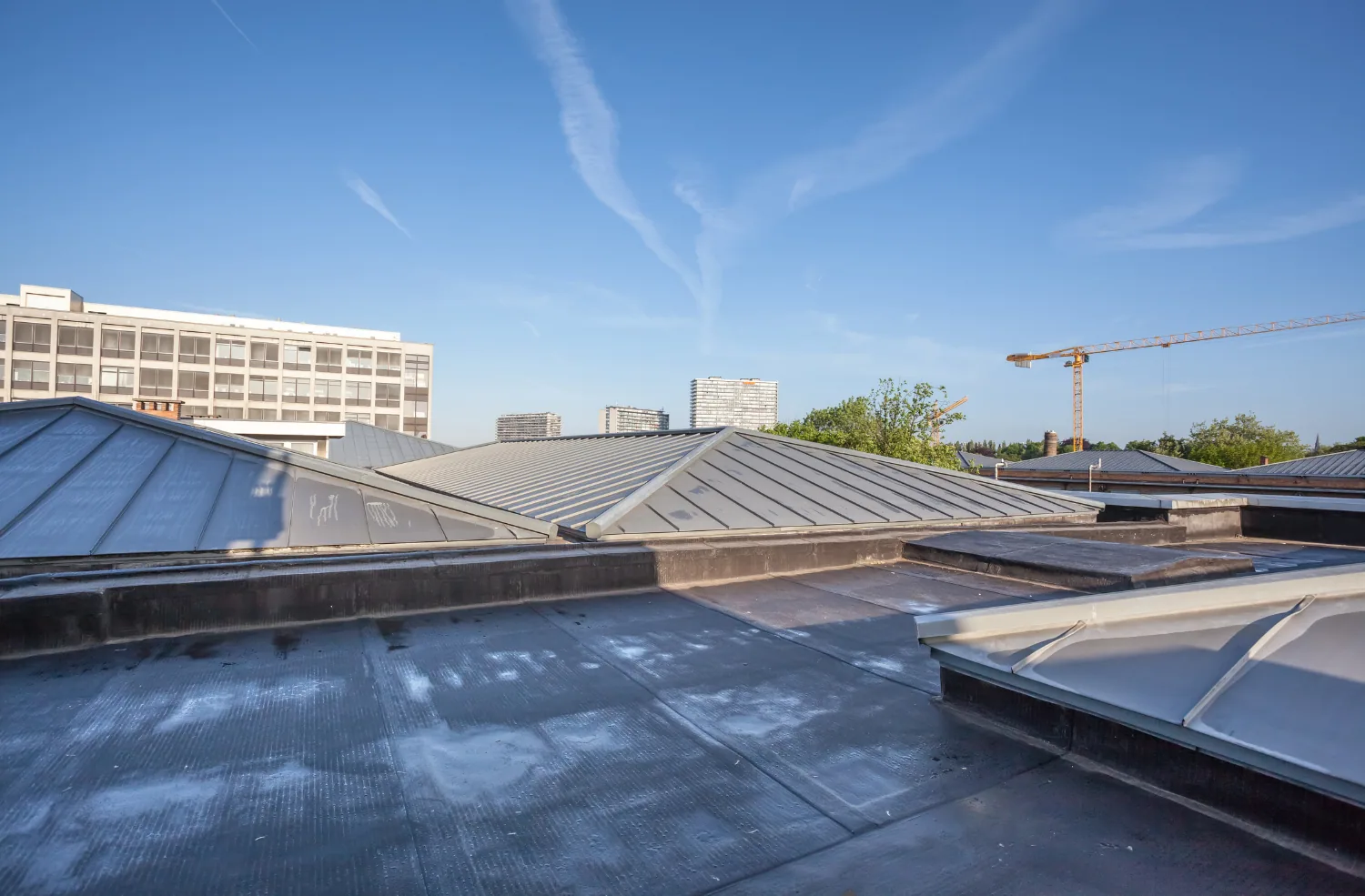
Establish coverage and operator information first
Collect available installation history, repair records and relevant coverage documents. Ask the operator about reported water, equipment changes and areas requiring access coordination. Mark the known roof sections and interfaces at consistent references. The visit needs an agreed purpose and coverage before the owner relies on it for repair, purchase or a larger construction decision. Identify the available records and the questions they can answer, keeping a missing assembly detail assigned to the next useful check rather than replacing it with a presumed construction.
Record any area that cannot be reached or adequately examined through the agreed method. Our condition reporting keeps those limitations with the findings. A useful report identifies what was observed and the additional task needed to address an important gap. That allows the owner to arrange information or access without assuming that an unexamined area was found serviceable.
Request a Roof Assessment
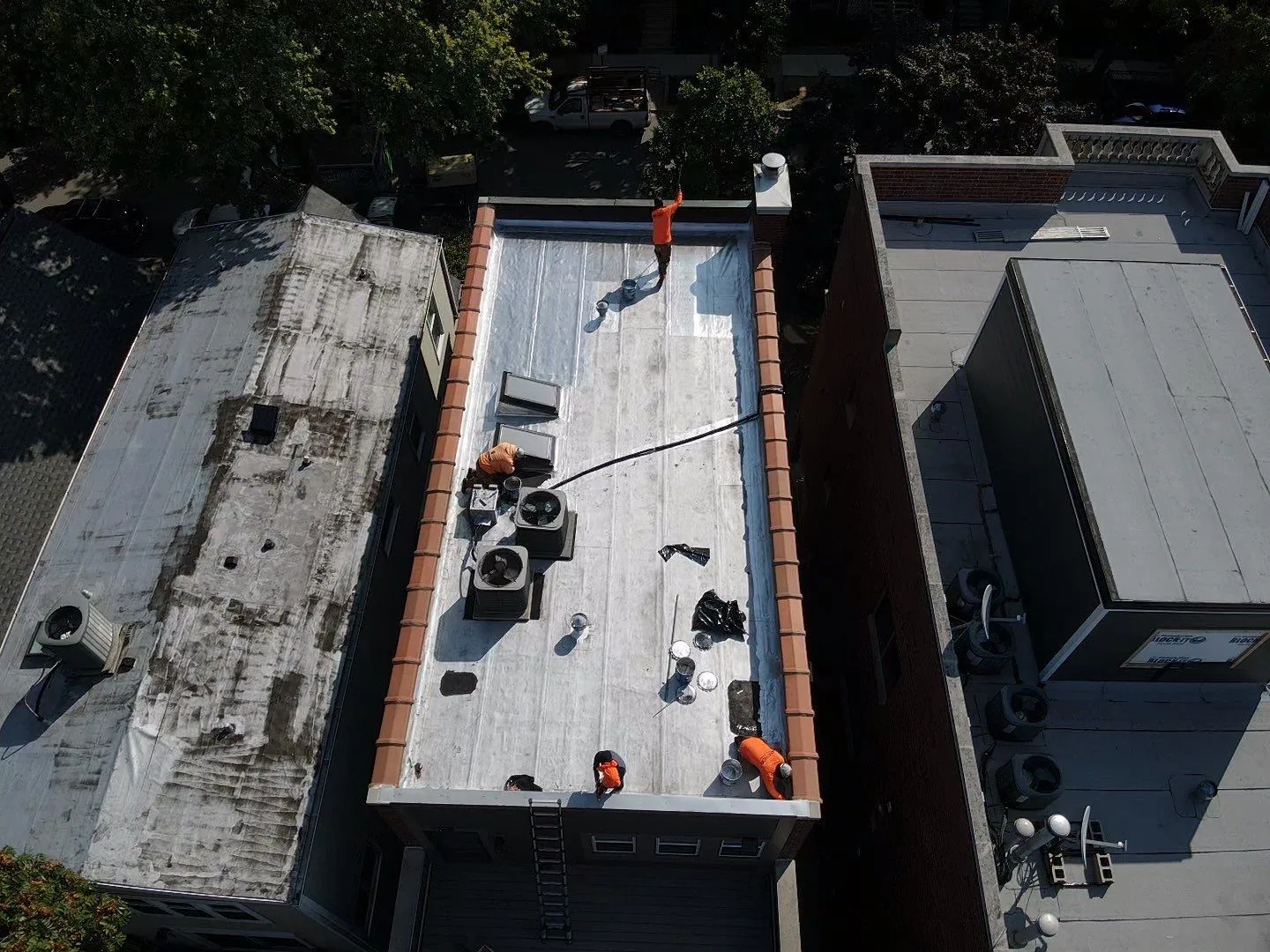
Walk connections through a suitable sequence
Examine accessible perimeter details, outlets, curbs and roof openings, then record field observations at useful locations. The actual assembly and access conditions inform the sequence. Use suitable methods that do not turn inspection into damage. Relevant product procedures may establish particular seam or detail checks; a generic probe routine is not appropriate for every roof connection.
Our detail assessment addresses openings and transitions. Note visible separation, damage or prior treatment without assuming one appearance establishes its cause. Where a connection needs closer examination, identify the useful next check. The owner receives an understandable location and concern rather than a photograph whose significance depends on an unstated diagnosis.
Request a Roof Assessment
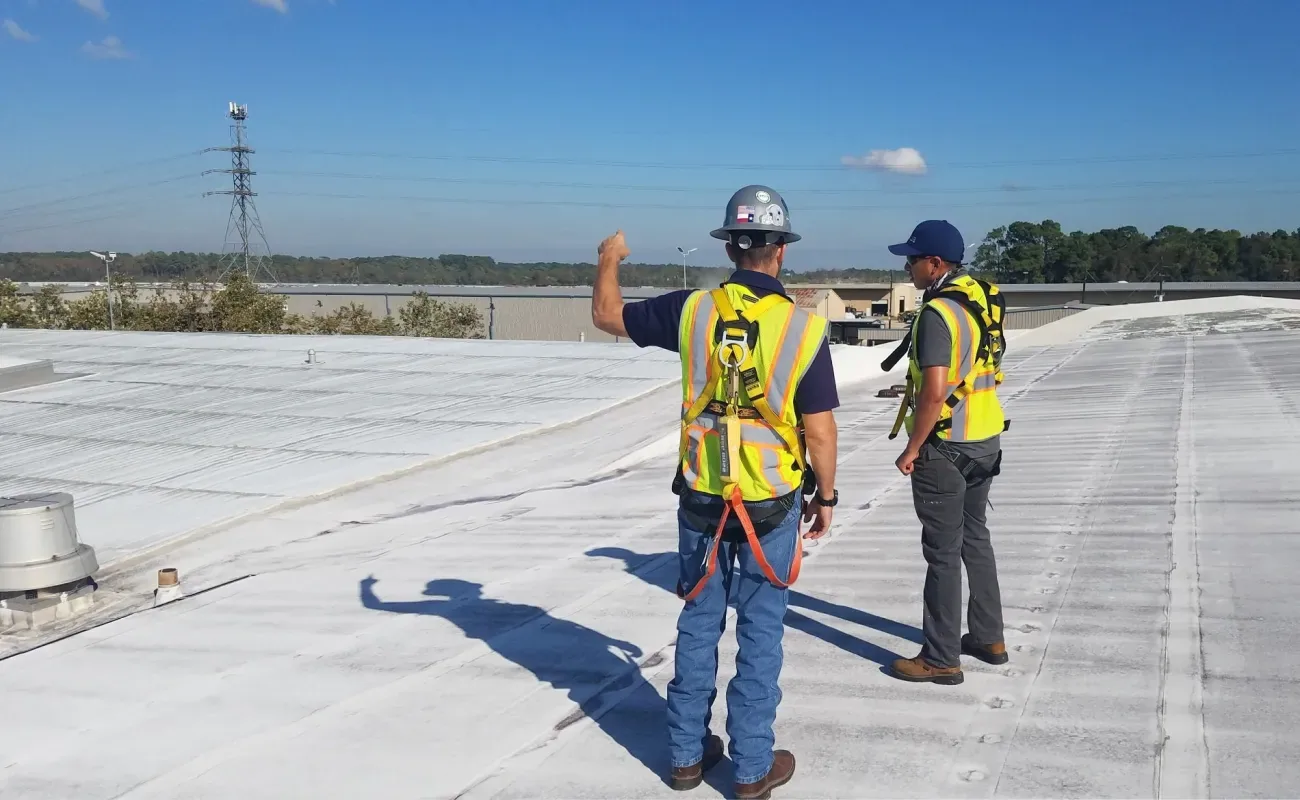
Keep surface signs separate from concealed findings
Record ridges, blisters, damaged surfacing or an unusual response where encountered. Those observations can justify further investigation, but they do not prove wet insulation by themselves. Available construction information and suitable authorized assessment need to support a concealed-condition conclusion. Keep sampled evidence within its location and the extent actually established.
Our thermal survey planning reviews whether conditions and the assembly suit the question. Interpretation and appropriate confirmation matter where the resulting recommendation relies on hidden layers. Our aerial observation can add a useful overview under suitable authorized flight conditions. Images do not replace every close detail or concealed investigation needed for the decision.
Request a Roof Assessment
Commercial Roofing Services
Related Commercial Roofing in Corona
Other services, systems and buildings that often come up alongside this work.
Roof Systems
Commercial Roof Systems We Work With
Single-ply, built-up, metal and coating systems we install and repair across Corona:
TPO Roofing
Corona TPO roofing reviews the complete assembly, compatible welded details and suitable installation checks before defining the work sequence.
PVC Roofing
Corona PVC roofing reviews product-specific exposure, complete assembly requirements and compatible welded details before planning the roof work.
EPDM Roofing
Corona EPDM roofing reviews rubber membrane condition, compatible seam procedures and complete supporting requirements before planning the work.
KEE Roofing
Corona KEE roofing reviews the selected membrane, actual exposure and complete construction before coordinating suitable preparation and details.
Modified Bitumen Roofing
Corona modified bitumen roofing reviews layered construction, suitable application methods and actual facility.
Built-Up Roofing
Corona built-up roofing examines layered construction, suitable repair connections and application controls before defining the complete work.
Need Help With a
Commercial Roof?
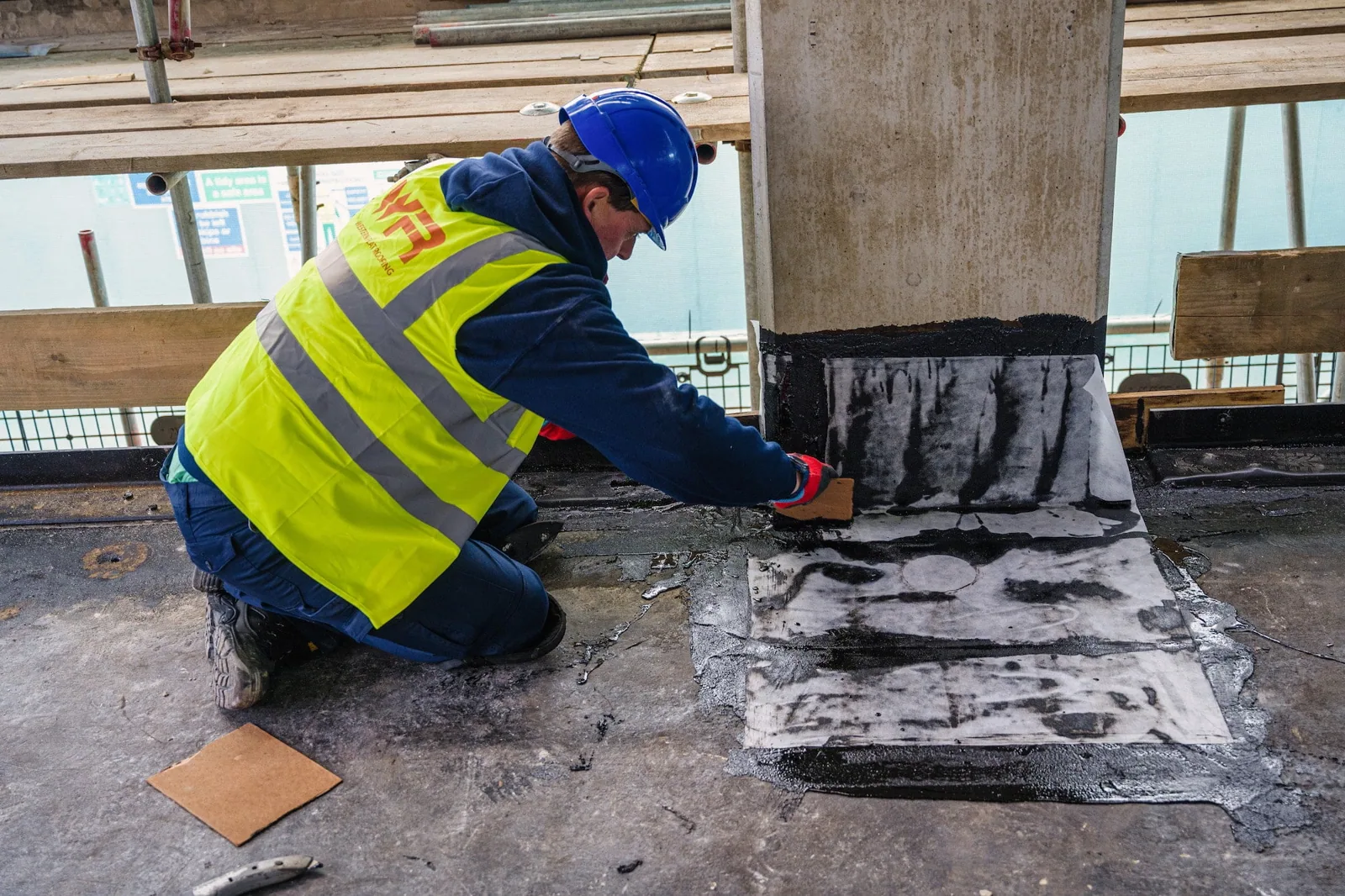
Examine drainage and equipment interfaces
Record outlet details, debris and observed water concerns where accessible. Compare the observations with available geometry and project information. A stain or low-looking area does not establish a structural cause or a complete drainage design. Our outlet review identifies relevant roof-side questions and related work needing its own assessment.
Ask the operator about equipment service and relevant discharge. Qualified personnel address mechanical, electrical or plumbing questions that fall within their responsibilities. Keep the roof observation connected to the appropriate next task. Timing and interior appearance can help organize investigation without separating every possible cause automatically. The report should preserve that uncertainty where further examination is necessary.
Request a Roof Assessment
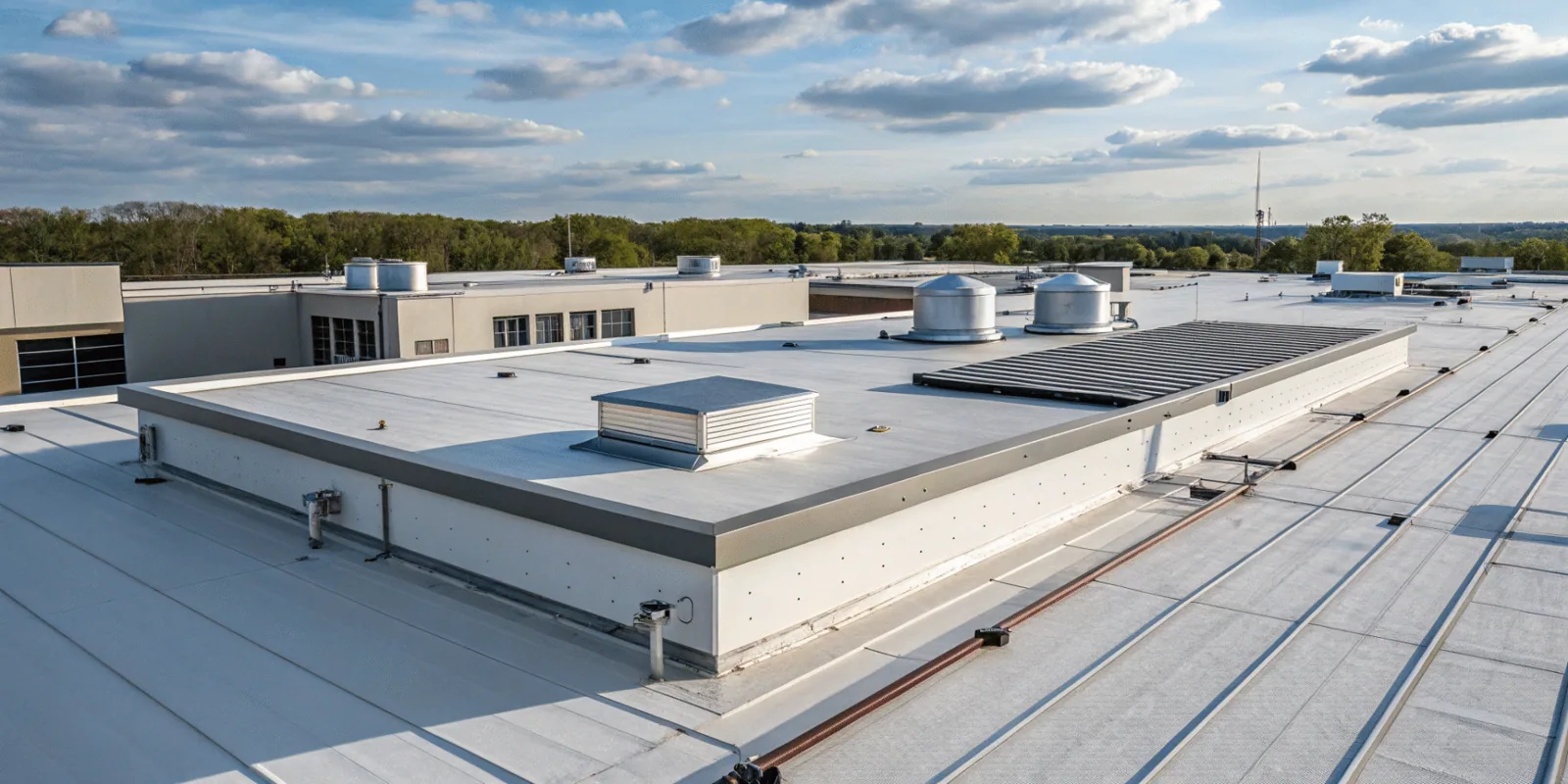
Organize findings into useful work decisions
Give each important observation a location, photograph and plain description. Explain the supported correction or investigation and the consequence of the condition where established. Distinguish a task needing prompt coordination from one suitable for planned follow-up. An unexplained urgency label does not tell the owner what should happen next or which evidence supports the recommendation.
Our repair scoping defines a suitable local correction where supported. A broader option needs its own condition and project basis. Record the access, materials, extent and related personnel affecting the proposed task. The owner can then compare useful work on the actual roof rather than relying on a fixed price rule or a patch count treated as automatic replacement evidence.
Request a Roof Assessment
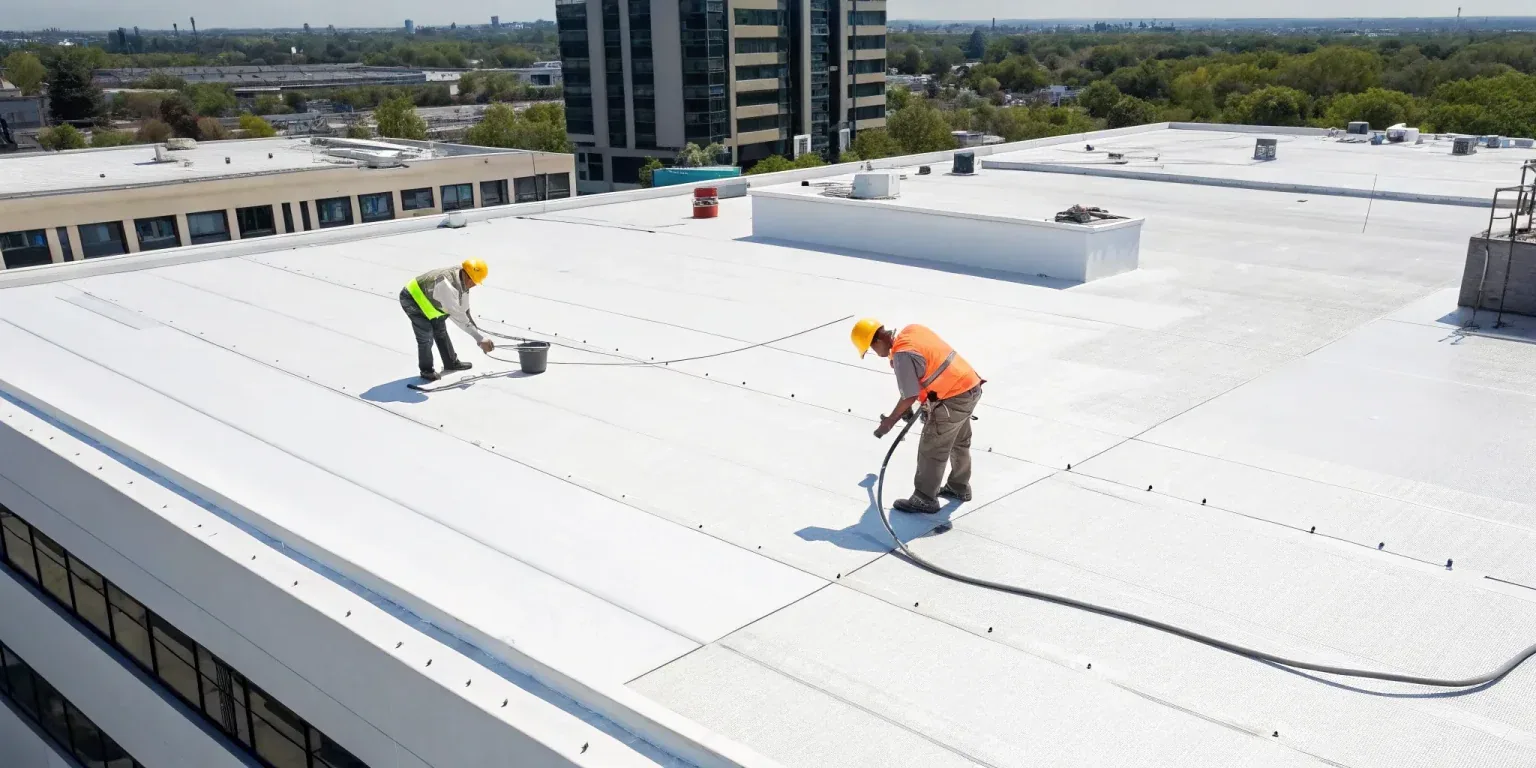
Plan the visit from the site and current conditions
Corona's hot summers and cooler-season rain inform access planning. Regional Santa Ana winds may affect handling and suitable roof examination. Check the actual conditions and method requirements before proceeding. A regional event should lead to appropriate property assessment rather than a presumption that every edge was damaged or every surface now needs replacement.
At Rincon Corona Industrial Park, obtain the operator's receiving instructions and affected roof references. The documented industrial development near SR-91 provides useful site-planning context. For a Norco building, retain its separate access and equipment arrangements. Construction dates help identify records to request; they do not establish the current roof age.
Request a Roof Assessment
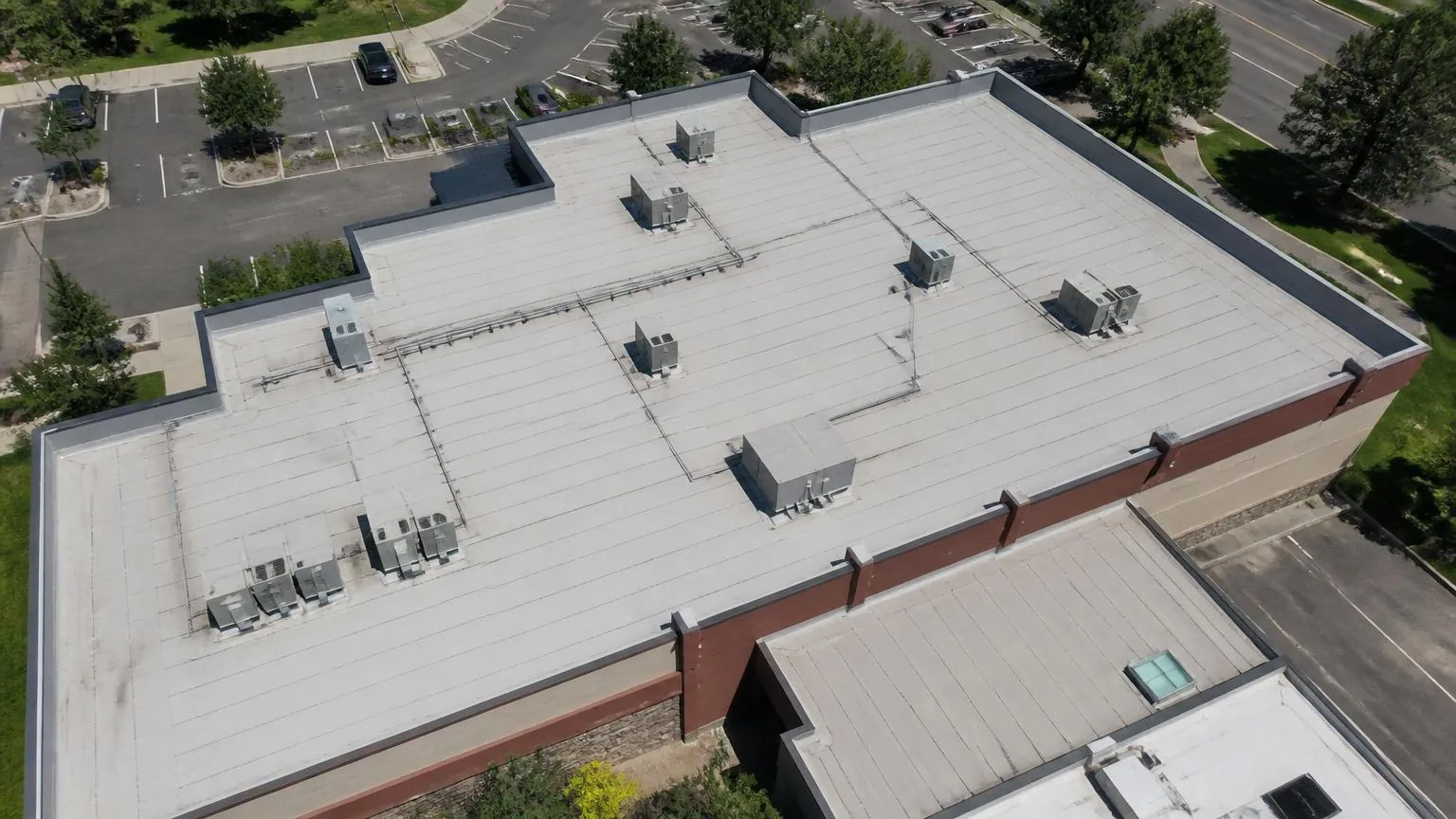
Review the report and assign the next task
Walk the owner through the located findings, coverage and proposed order of work. Identify what can be authorized from the present information and what requires another examination or design review. Keep the responsible contact with any access or equipment task. The inspection then becomes an ordered route to a useful decision rather than an unlocated list of roof concerns.
Our maintenance planning can use the report to organize later accessible visits. Record corrections and new observations at the original references. Changes can then be compared with the earlier visit's actual coverage and conditions. A dry interior interval or unchanged surface photograph does not establish every hidden layer, so retain the relevant question until suitable evidence addresses it.
Give the owner the completed report with its date, photographs and next-step responsibilities. Add later findings rather than silently replacing the original observation. That record lets another authorized reviewer follow the progression from examination to correction and understand which conclusion belongs to which visit or investigation.
Make the inspection useful for a capital or repair decision by tying each observation to a roof reference and an action. Separate routine deterioration from an active opening, a drainage restriction and a condition that needs a qualified structural or mechanical review. Photograph the evidence before it is concealed, and identify areas the inspection could not reach. The report should explain which finding justifies immediate repair, which needs monitoring at a stated inspection interval, and which requires additional investigation. That distinction keeps a condition list from becoming an undifferentiated bid request and helps the owner assign work according to evidence, access and consequence.
Request a Roof Assessment
Start with the access point and an ordered roof walk
Share the address, records and reported concerns. We will examine accessible construction and hand you a short ordered account of findings, useful corrections and any further checks needed.
Questions
Commercial Roof Inspection: Common Questions
Receive located observations, photographs, coverage and proposed next tasks. Important limitations and further questions remain visible. The report should explain the basis for a correction or another examination.
Assess observed signs through suitable investigation where concealed condition matters. Samples have local coverage. Keep the evidence and remaining extent clear before relying on a hidden-layer conclusion.
Use imagery for the overview and visible observations it can support. Close details and concealed questions may require other methods. State the coverage needed for the actual decision.
Connect priority with the observed condition, established consequence and practical next task. Identify required personnel or authorization. An unexplained label should not substitute for the work decision.
Share roof history, reported concerns and access arrangements. Include equipment changes and affected-area instructions. These inputs help define useful coverage and coordinate the visit.