Commercial Roofing in Yorba Linda, CA
Yorba Linda
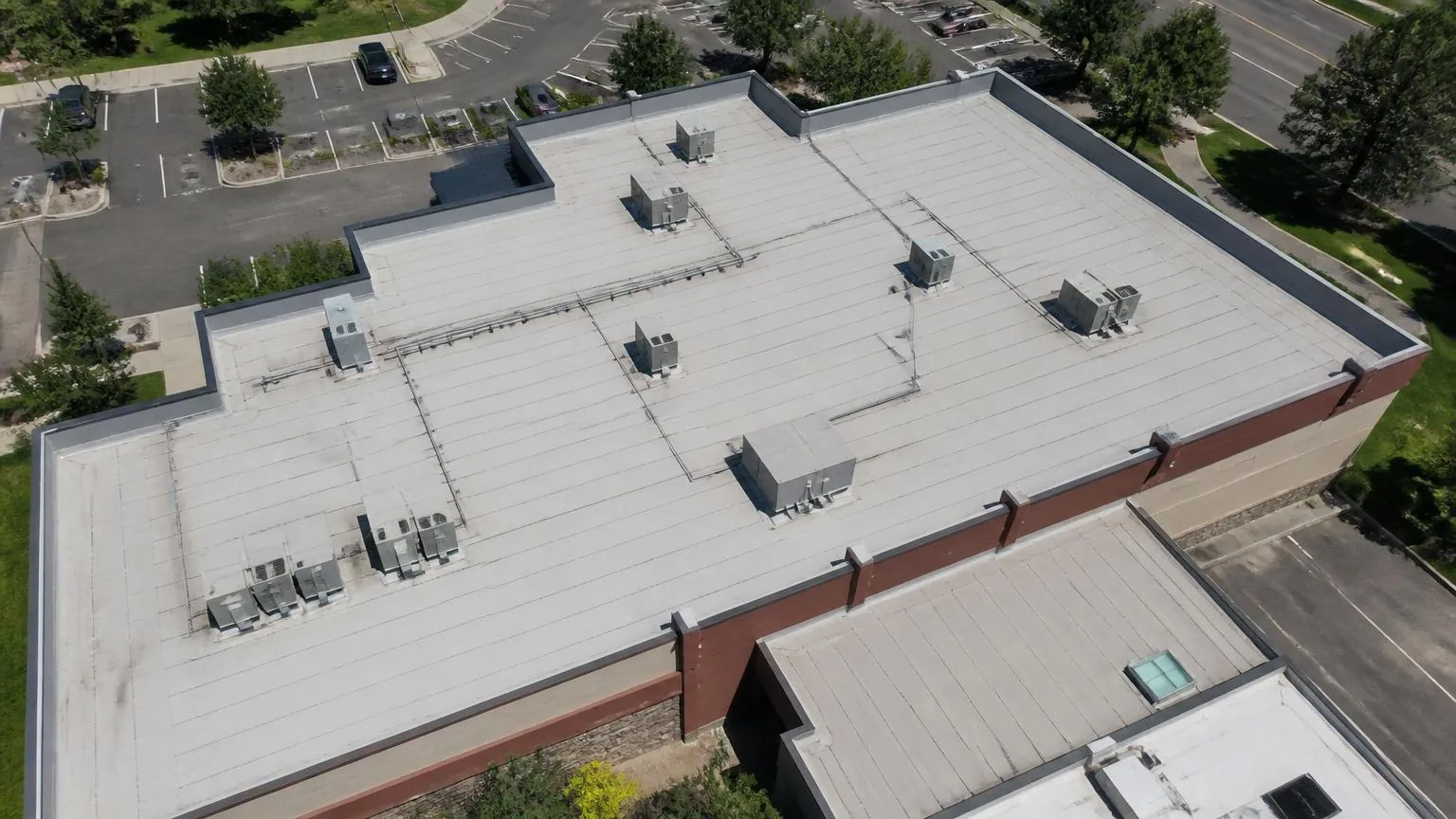
Begin at the roof access point on a Yorba Linda commercial building and locate the movement joints before laying out a repair. The joint may separate roof sections that move differently, and covering it with an ordinary patch can leave the correction strained. We repair, restore and replace commercial roofing after checking the construction that must receive the work. The owner gets the observed defect and the supporting preparation together.
Savi Ranch provides a commercial setting in Yorba Linda, west of Corona, CA, along the State Route 91 connection. Confirm the individual address, approved entrance and roof access contact for the visit. Those arrangements establish how we reach the work; examination of the actual membrane, adjoining walls and concealed construction establishes what the roofing needs.
Request a Roof Assessment
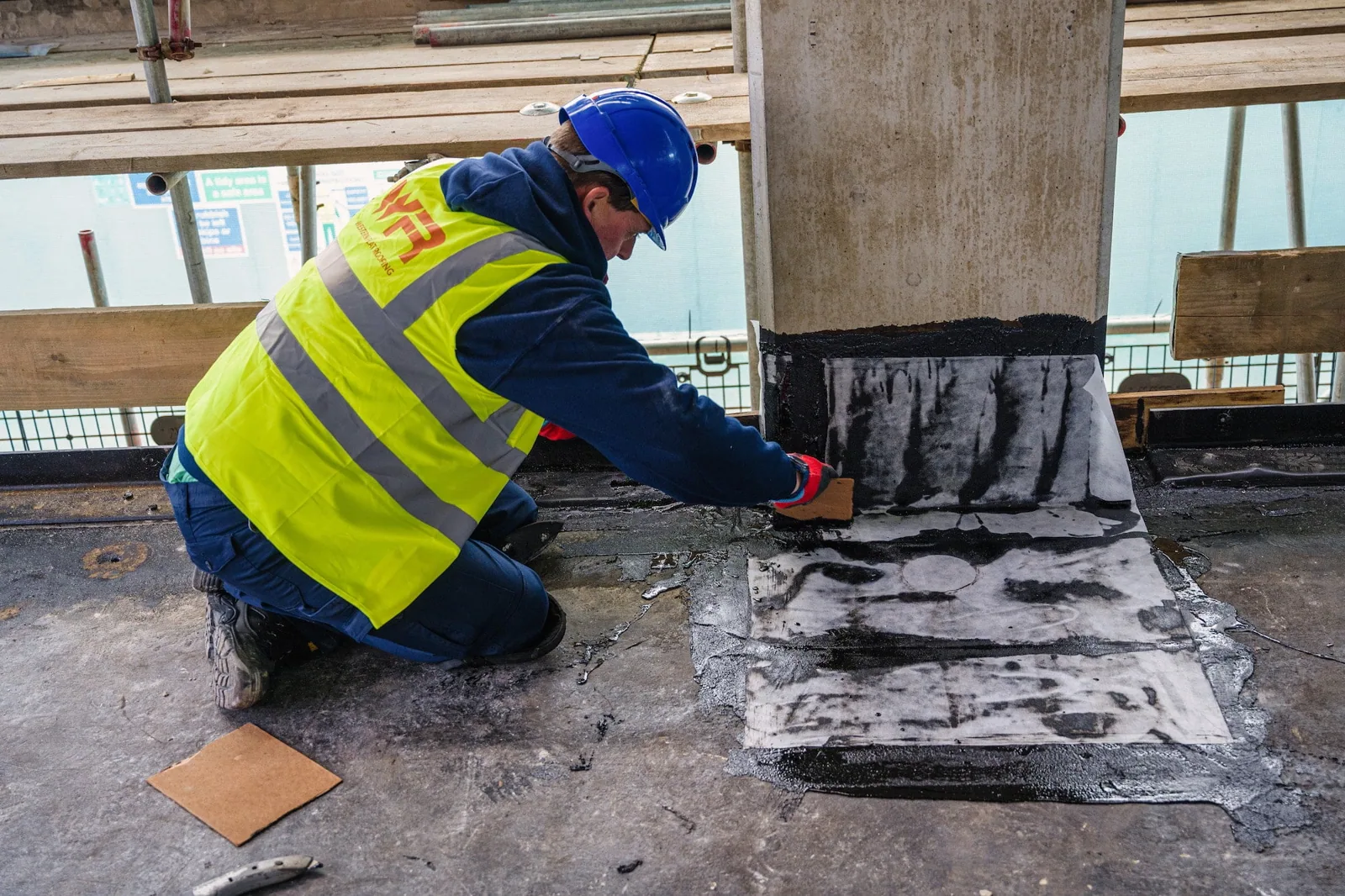
Follow the joint through adjoining construction
Trace the joint from its roof position to the wall or raised detail where it finishes. Look for displaced covers, separated connections and patches that cross the movement space. Photograph the whole transition before examining individual openings. Check how water is directed past the connection. A loose cover may require attachment work, while a torn flexible component may require a different replacement detail. Preserve that distinction in the repair description.
A coordinated repair of roof joints and their adjoining weather connections includes compatible receiving material and movement allowance. We establish the existing material before selecting the joining method. Earlier coatings, brittle patches or unstable backing can change the work. Measure accessible widths and heights, then identify any concealed support that needs another examination. The proposal should explain how the finished connection accommodates the movement for which it is intended.
Record the interior location associated with a water report and ask about its timing. Compare it with the roof joint and nearby penetrations without assigning the cause from proximity alone. Keep alternative water paths in the investigation until the findings support a correction. A leak at a ceiling line can involve more than the visible roof opening.
Request a Roof Assessment
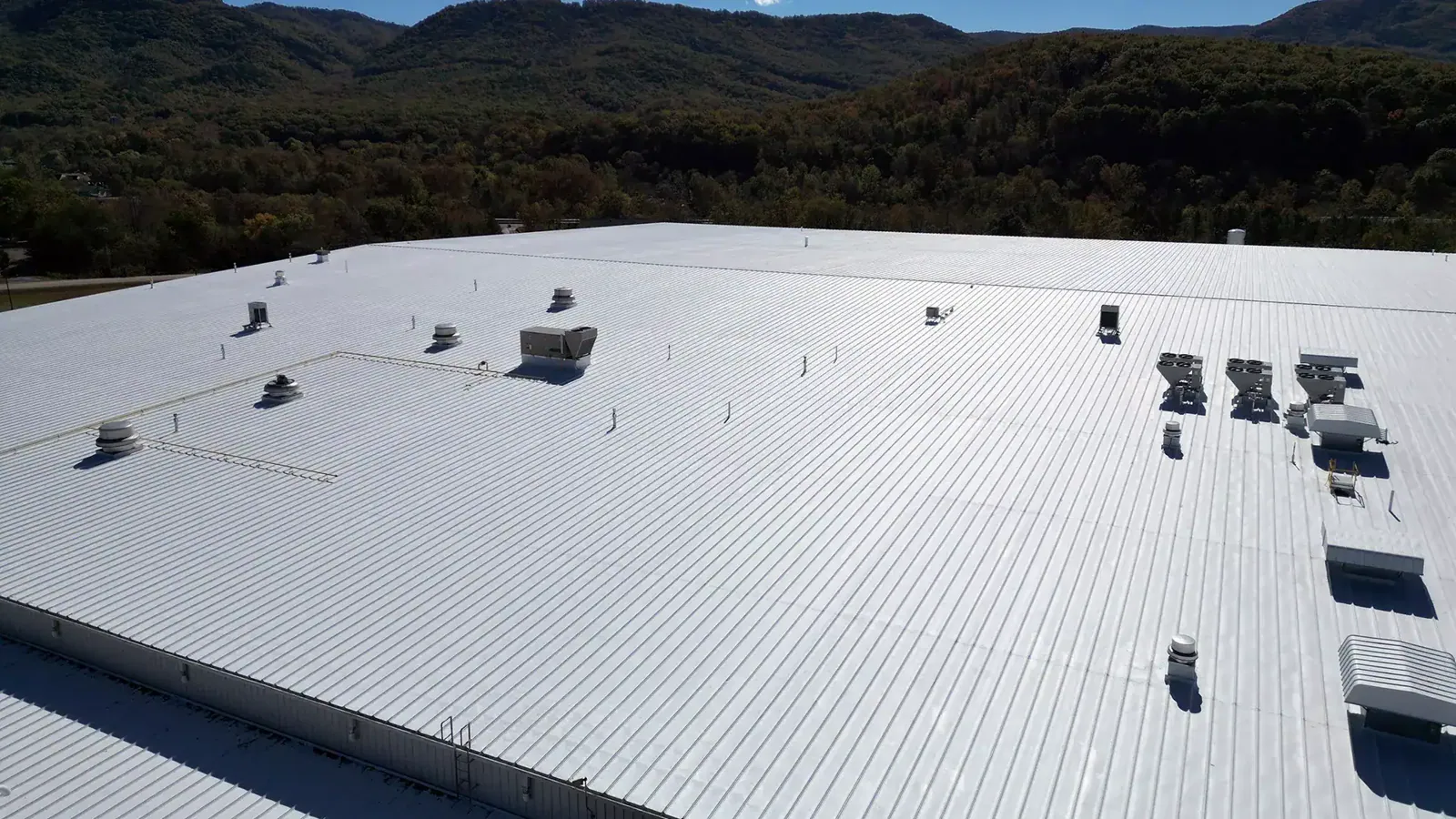
Check the outlet on each side of the division
A raised joint can separate drainage areas. Walk the accessible surface on both sides and locate each outlet, scupper or gutter connection. Mark sediment lines and retained debris, then examine the actual height and opening. Cleaning an obstructed outlet does not resolve a flange above the receiving level or an interrupted path to the drain. Retain these observations separately so the owner can distinguish maintenance from a construction correction.
Drain and scupper work tied to the measured roof levels requires a suitable connection to the installed roof. Confirm the drain body, surrounding support and downstream responsibility. Plumbing participants address piping questions where needed. Review overflow arrangements with the appropriate project participants rather than assuming an opening near the perimeter serves that function. Changes to drainage or support need their own accepted design and authority review.
Request a Roof Assessment
Establish what remains beneath the finish
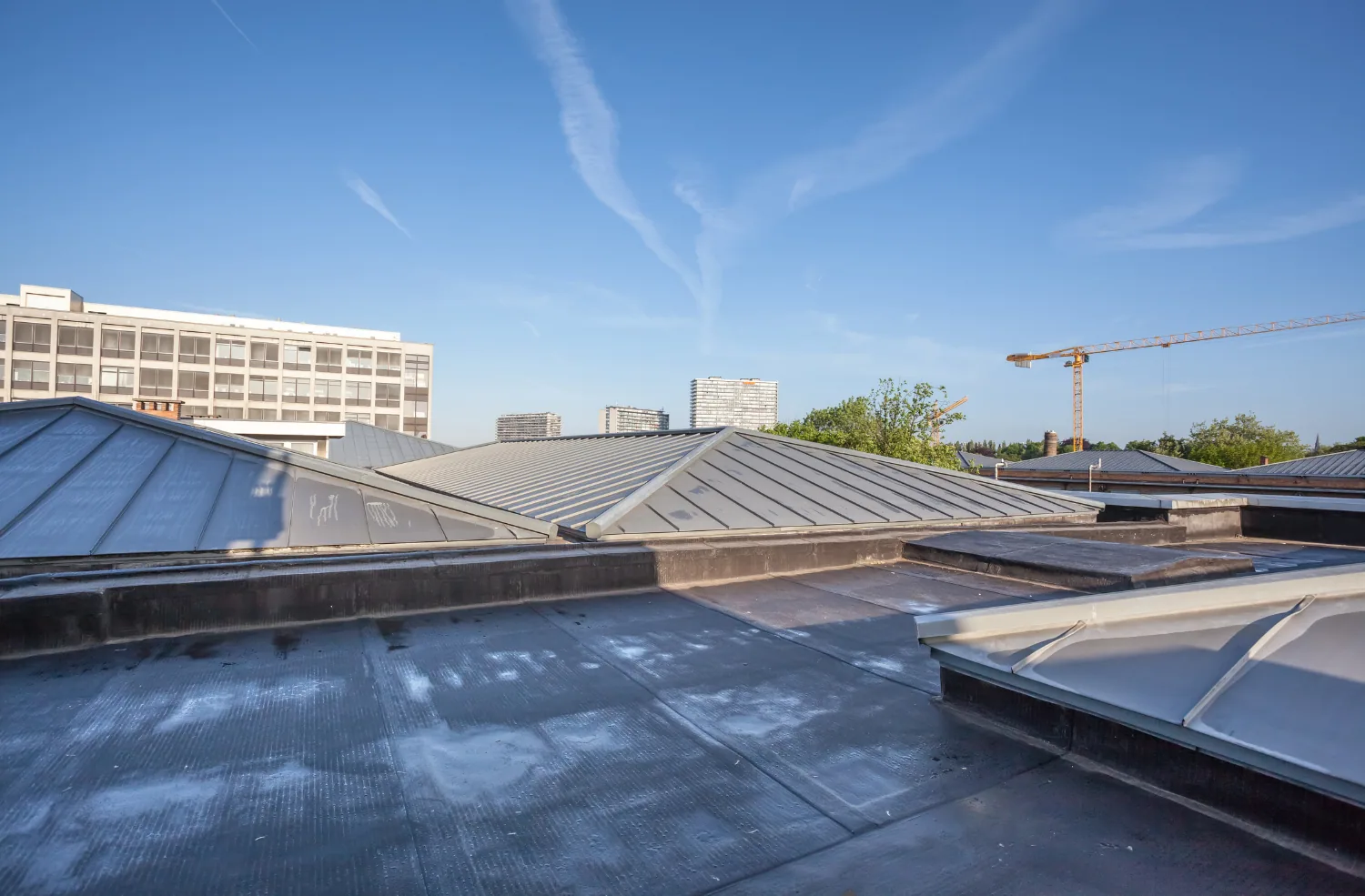
Inspect seams, field damage and accessible edges beyond the reported joint. A narrow repair may be appropriate where receiving construction is sound, but repeated surface treatment can hide preparation needs. We record conditions across the proposed work limits. Any permitted opening should answer a specific question about layers, attachment or moisture and include a suitable closure. Its result applies to the examined position.
Use interpreted thermal observations with construction confirmation where the roof and conditions support that method. Thermal differences can have several causes. Compare the pattern with roof geometry, known materials and suitable confirmation before assigning wet removal. Additional examination may be needed to define the extent. A whole-roof recover also requires review of retained assembly, loading, fastening and finished connection geometry, beyond moisture findings.
Coating preparation starts with the existing finish and product requirements. Evaluate adhesion, condition and any incompatible residue. Correct unsuitable material and unresolved water entry before treating the coating as a roof option. The owner should see why a repair, restoration or removal addresses the findings and which construction question must still be answered.
Request a Roof Assessment
Service Areas
Related Commercial Roofing in Corona
Other services, systems and buildings that often come up alongside this work.
Roof Systems
Commercial Roof Systems We Work With
Single-ply, built-up, metal and coating systems we install and repair across Corona:
TPO Roofing
Corona TPO roofing reviews the complete assembly, compatible welded details and suitable installation checks before defining the work sequence.
PVC Roofing
Corona PVC roofing reviews product-specific exposure, complete assembly requirements and compatible welded details before planning the roof work.
EPDM Roofing
Corona EPDM roofing reviews rubber membrane condition, compatible seam procedures and complete supporting requirements before planning the work.
KEE Roofing
Corona KEE roofing reviews the selected membrane, actual exposure and complete construction before coordinating suitable preparation and details.
Modified Bitumen Roofing
Corona modified bitumen roofing reviews layered construction, suitable application methods and actual facility.
Built-Up Roofing
Corona built-up roofing examines layered construction, suitable repair connections and application controls before defining the complete work.
Need Help With a
Commercial Roof?
Separate the access decision from application conditions
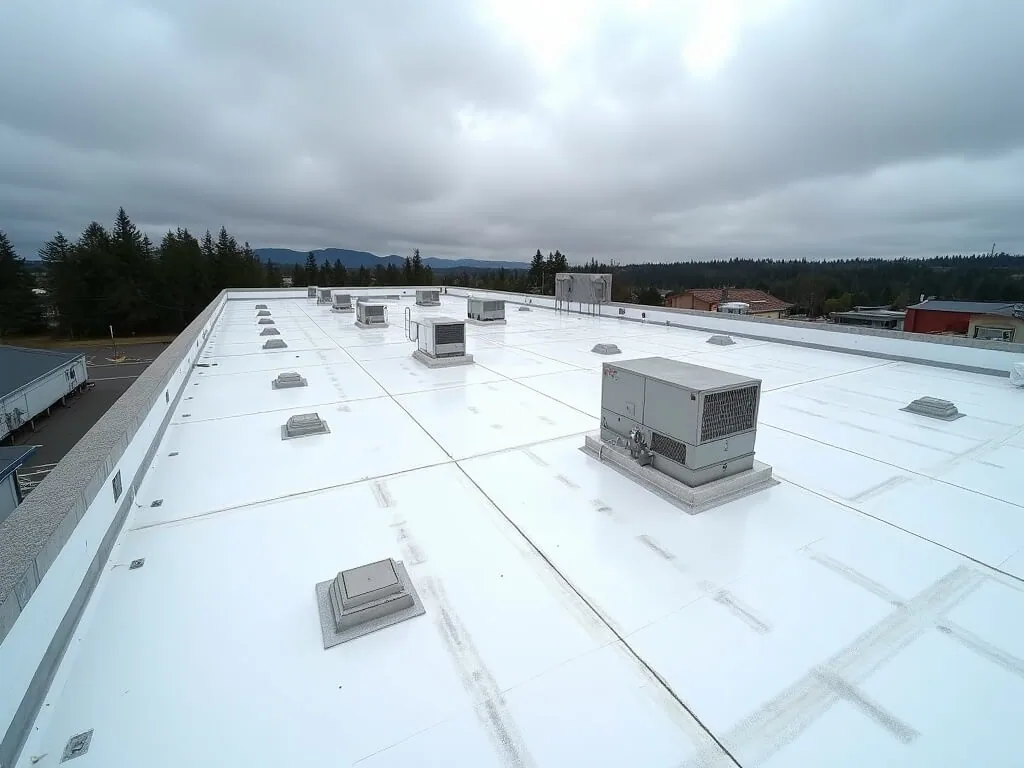
State Route 90 is another Yorba Linda connection. For work coordinated across the district, use the approved receiving position and access period for the specific property. Set delivery, debris handling and lifting arrangements before assigning the roof phase. Review support for stored material and protect ground routes. An accessible roof hatch does not establish a safe path for removal equipment or a suitable place for concentrated material.
Roof work beside operating commercial tenant spaces needs an agreed sequence for noise, dust and entrances. The authorized representative identifies affected rooms and activities. Qualified equipment personnel approve intake precautions, service interruptions and checks after restoration. Identify products and application methods in that discussion so a restriction can be resolved before it changes the construction period.
Compare actual receiver temperature, surface moisture and wind with the selected material and equipment limits. Required cure, protection and attachment checks remain part of the phase. Confirm permit and inspection requirements for the Yorba Linda address and actual work. Energy compliance, where applicable, requires the project scope and relevant approaches or exceptions. A product finish alone does not settle that review.
Request a Roof Assessment
Keep the repaired joint identifiable after closeout
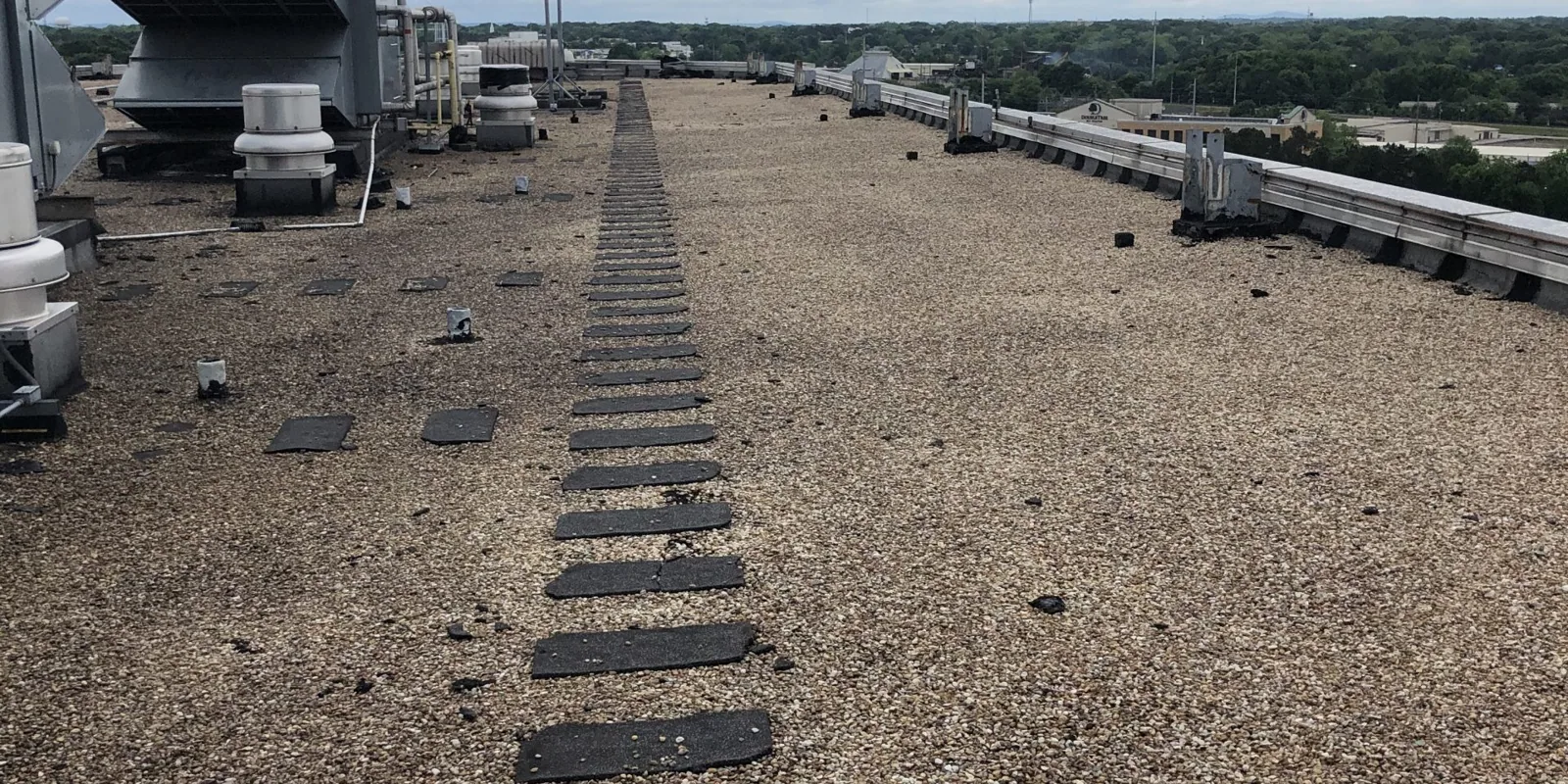
Work in Brea has a separate construction record; a property in Chino Hills retains its own access and review decisions. At the Yorba Linda closeout walk, compare the completed joint with preparation photographs and approved changes. Retain the replacement component, attachment and adjoining roof detail with a position the maintenance contact can locate.
Urgent roofing reports are accepted overnight and through weekends and holidays. State the affected area, active hazards and access contact. Examination and temporary measures depend on safe conditions. Keep permanent joint work and remaining investigation in the follow-up instructions. Price access, preparation, disposal, supporting repairs and final roofing together so a field-material allowance does not obscure the cost of completing the connection.
Before accepting the completed work, check the points where the joint meets a wall and where its cover changes direction. Confirm that adjoining trades have finished the work needed for those connections. Record any outstanding item with its location and protection requirement. Give the owner the remaining approval decision while the detail is still accessible. Future service visits should preserve the movement space and the accepted connection rather than fastening new equipment through an unexamined part of the joint.
In Yorba Linda, a broad city location does not identify the commercial property or its roof history. Confirm the building, authorized contact and delivery entrance before arranging an inspection. For a business area such as Savi Ranch, keep roof findings tied to each separate parcel or structure; nearby retail or office use cannot establish the installed assembly. Compare interior symptoms with accessible roof seams, drains, curbs and wall transitions, and document the path examined. If a repair depends on concealed support or insulation, name the opening or review needed before fixing the quantity. The owner receives a scope that follows actual roof evidence and site access.
Request a Roof Assessment
Walk the Yorba Linda Roof Joint
Provide the address and reported roof concern. We can walk the accessible connections and return a short sequence of examination, preparation and correction.
Questions
Yorba Linda: Common Questions
The joint needs a detail suited to its movement and adjoining construction. Establish those requirements before choosing a replacement component.
Separate drainage areas can have different outlets and roof levels. Record each path before deciding which cleaning or correction is needed.
A sample describes its location. Wider retention decisions require evidence appropriate to the assembly and proposed work.
Keep the roof position, preparation photographs and completed component information. Record changes affecting movement or adjoining drainage.