Infrared Moisture Survey in Corona, CA
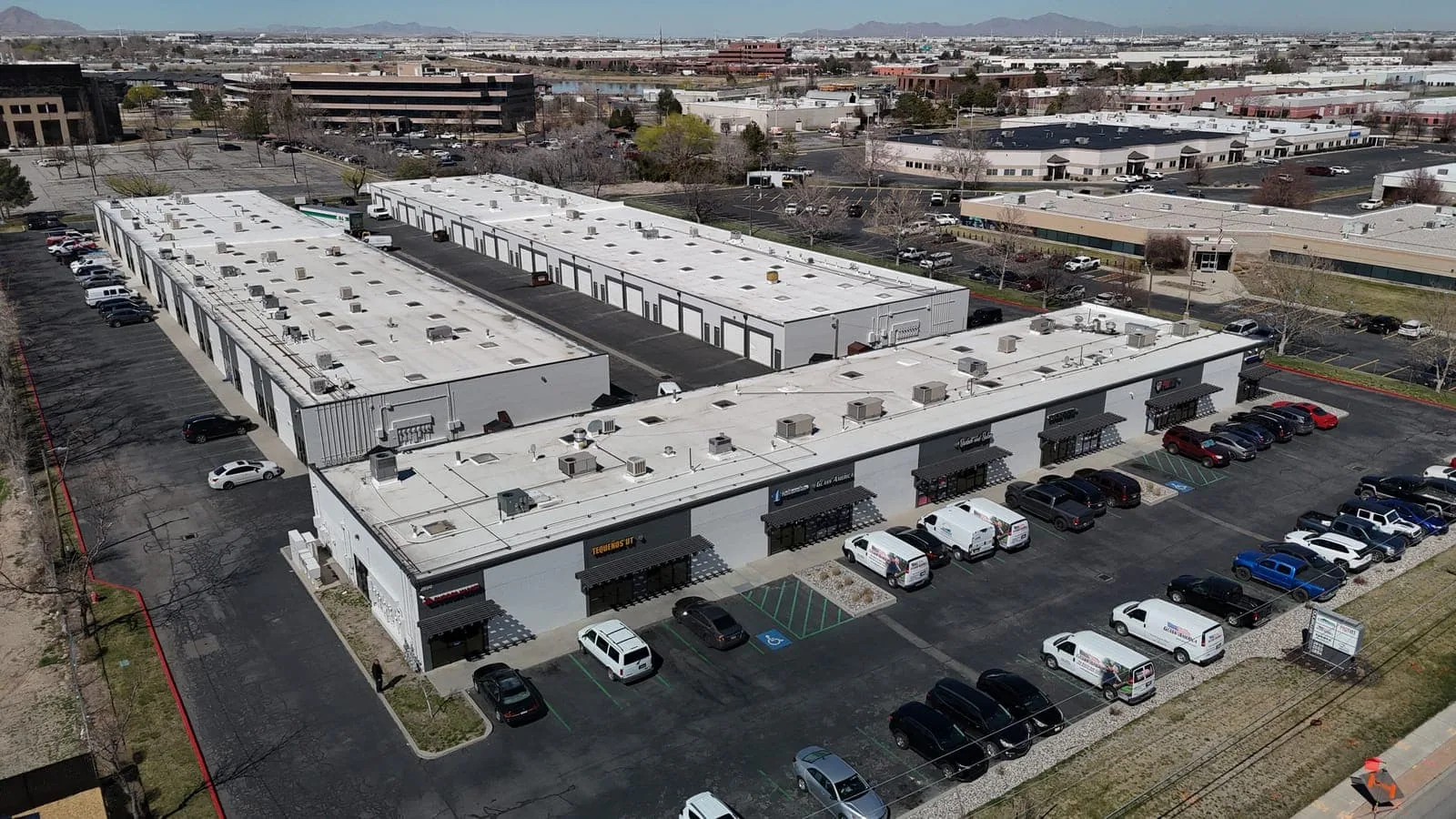
Infrared Moisture Survey
Locate the roof sections on the drawing during the first walk of a Corona industrial building, then identify the construction information needed before arranging a thermal survey. Mark surface treatments, equipment and areas that may affect interpretation. That step establishes whether infrared can contribute useful evidence to the owner's particular concealed-condition question.
An infrared moisture survey in Corona, CA examines temperature patterns under conditions suitable for the assembly and purpose. We interpret those observations and arrange appropriate confirmation where the recommendation relies on concealed condition. The owner receives the surveyed coverage, supporting findings and remaining questions. The image does not automatically become a map of every wet layer or a confirmed source for an interior drip.
Request a Roof Assessment
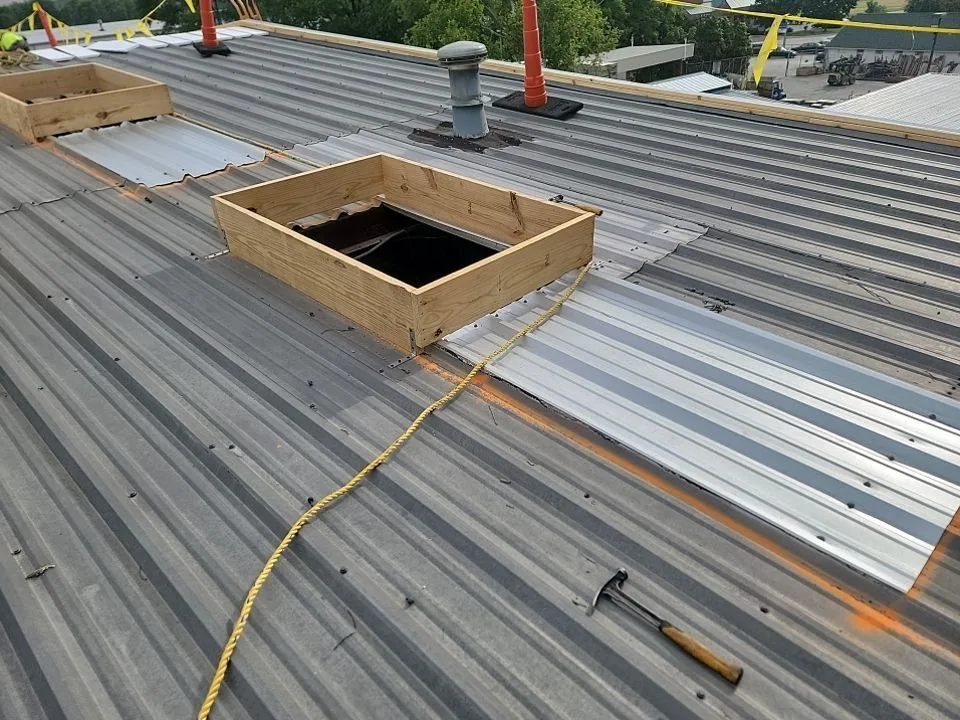
Establish the assembly and purpose before scheduling
Review available roof records and accessible construction. Identify the decision the survey is intended to support: a retained-layer question, a reported concern or preparation for larger work. The method needs a useful basis for that assembly. A metal surface, ballast or another covering can create particular limitations that require assessment rather than an assumed standard scanning routine.
Our initial roof examination records visible concerns and information gaps. Suitable authorized investigation may be necessary to clarify layers before thermal interpretation can be useful. Keep the next task assigned where construction remains uncertain. Name the missing layer information and the suitable route to obtain it, including any access authorization needed. That keeps a practical question in the work sequence instead of substituting a camera appointment for assembly identification. The owner can then decide whether to arrange additional information, a thermal method or another assessment that better addresses the actual question.
Request a Roof Assessment
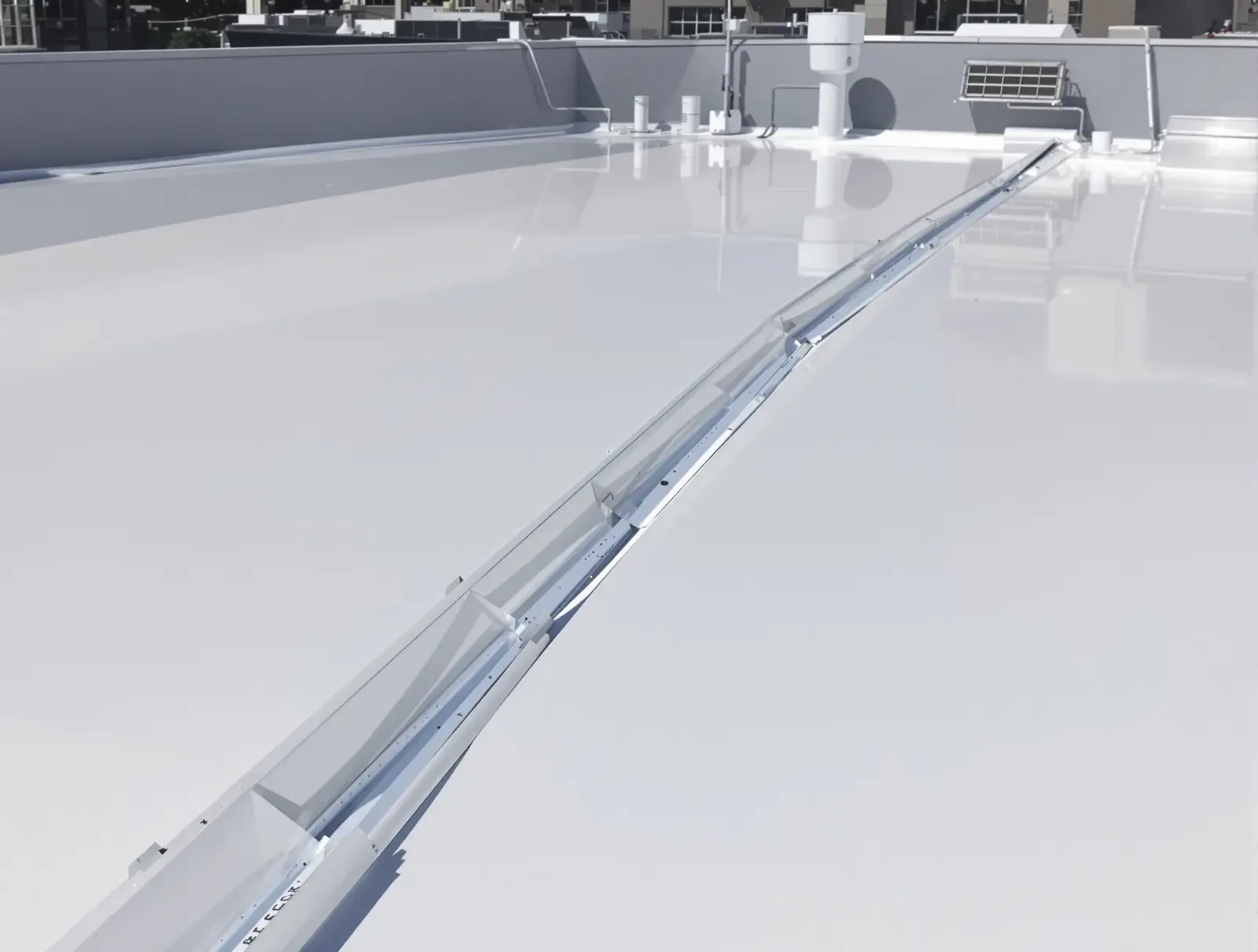
Review conditions and coverage at the property
Thermal response depends on the construction, weather and other influences at the survey location. Appropriate heating and cooling conditions can produce useful patterns for some assemblies. Assess actual suitability and timing through the planned method. A hot Corona day alone does not establish that every roof can be surveyed successfully that evening.
Record relevant conditions, accessible coverage and limitations. Surface water, shade, coatings, equipment heat or variation in layers may affect the observations. Identify their relationship to the planned survey. If the useful conditions are absent, revise the method or visit rather than assigning a moisture conclusion to an unclear image. The owner should understand the reason for that change and the next information needed.
Request a Roof Assessment
Locate patterns without turning them into confirmed moisture
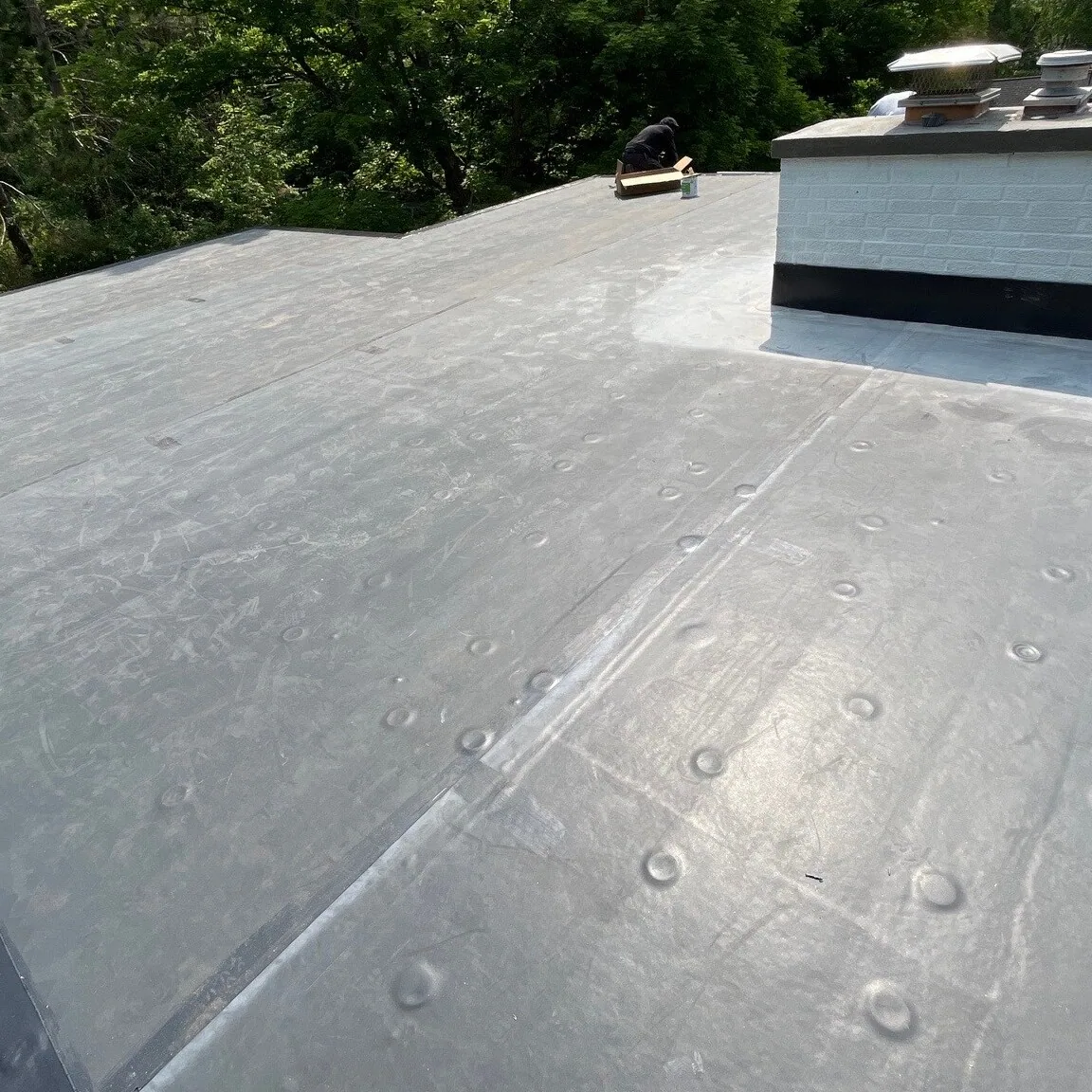
Record useful thermal observations at roof references that can be compared with ordinary photographs and construction information. Describe the pattern and the relevant interpretation basis. A warmer or cooler area may have more than one explanation. Keep the temperature observation distinct from the concealed-condition conclusion that needs suitable supporting evidence.
Our located reporting connects the imagery with the stated coverage and next check. An area obscured by equipment or unsuitable response remains a limitation rather than being labeled dry. Where the map uses interpreted boundaries, explain their basis and uncertainty. The owner receives a workable investigation record without treating image color as a complete description of the layers below.
Request a Roof Assessment
Commercial Roofing Services
Related Commercial Roofing in Corona
Other services, systems and buildings that often come up alongside this work.
Roof Systems
Commercial Roof Systems We Work With
Single-ply, built-up, metal and coating systems we install and repair across Corona:
TPO Roofing
Corona TPO roofing reviews the complete assembly, compatible welded details and suitable installation checks before defining the work sequence.
PVC Roofing
Corona PVC roofing reviews product-specific exposure, complete assembly requirements and compatible welded details before planning the roof work.
EPDM Roofing
Corona EPDM roofing reviews rubber membrane condition, compatible seam procedures and complete supporting requirements before planning the work.
KEE Roofing
Corona KEE roofing reviews the selected membrane, actual exposure and complete construction before coordinating suitable preparation and details.
Modified Bitumen Roofing
Corona modified bitumen roofing reviews layered construction, suitable application methods and actual facility.
Built-Up Roofing
Corona built-up roofing examines layered construction, suitable repair connections and application controls before defining the complete work.
Need Help With a
Commercial Roof?
Arrange confirmation for the decision being made
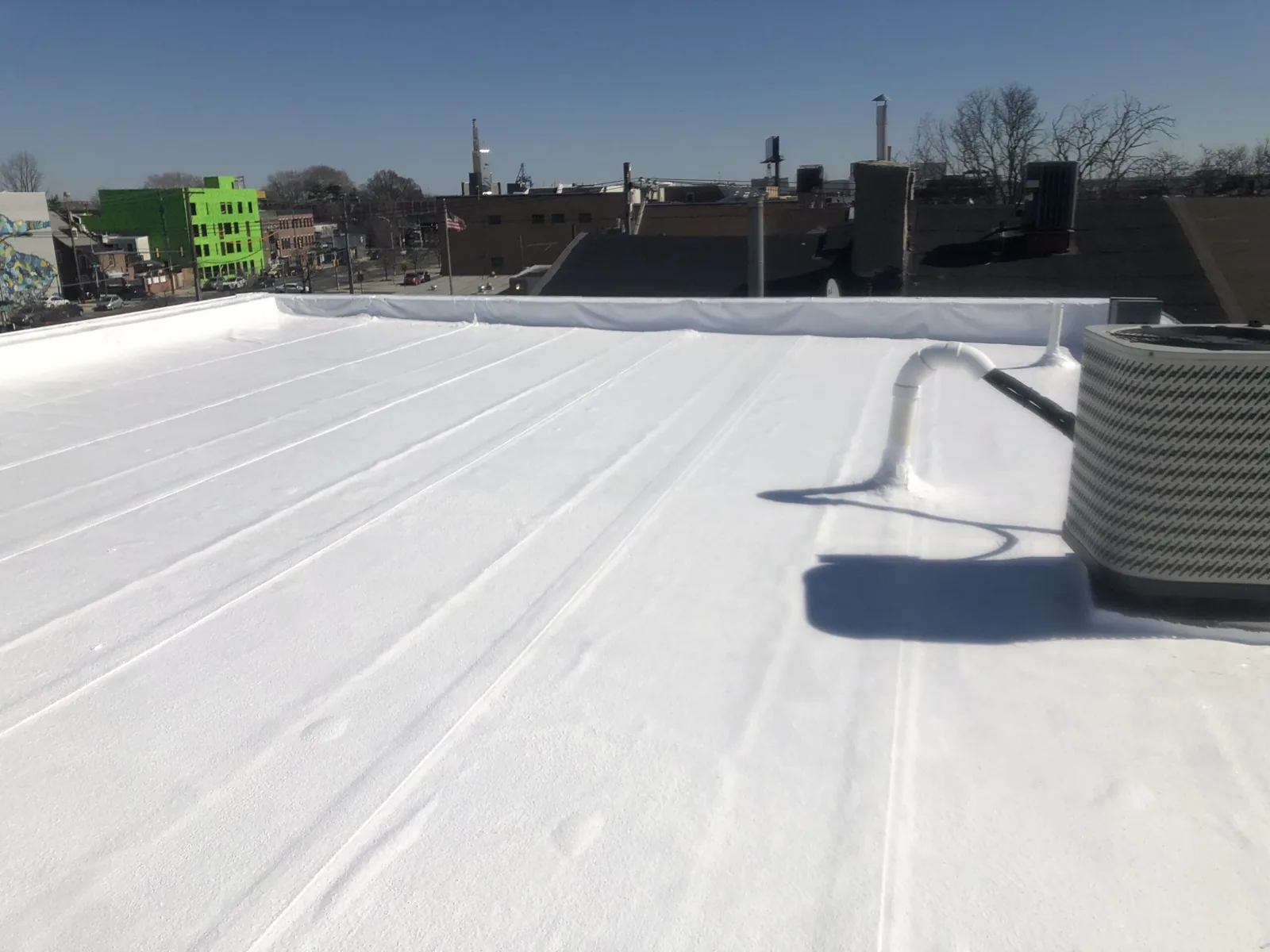
Select suitable confirmation with authorization and an appropriate method for the actual assembly. Samples or other appropriate checks contribute information at their locations. Record materials, observed condition and how the result relates to the thermal interpretation. Where findings disagree, reassess the explanation rather than forcing the local result into a presumed wet-area map.
Any authorized opening needs compatible restoration and its relevant checks planned before it is made. Current conditions and product requirements inform that task. Keep the restored location and materials in the record. The owner should see the confirmation coverage and remaining extent question, including any further investigation needed before a proposed construction boundary relies on concealed findings.
Request a Roof Assessment
Keep source examination and construction choice separate
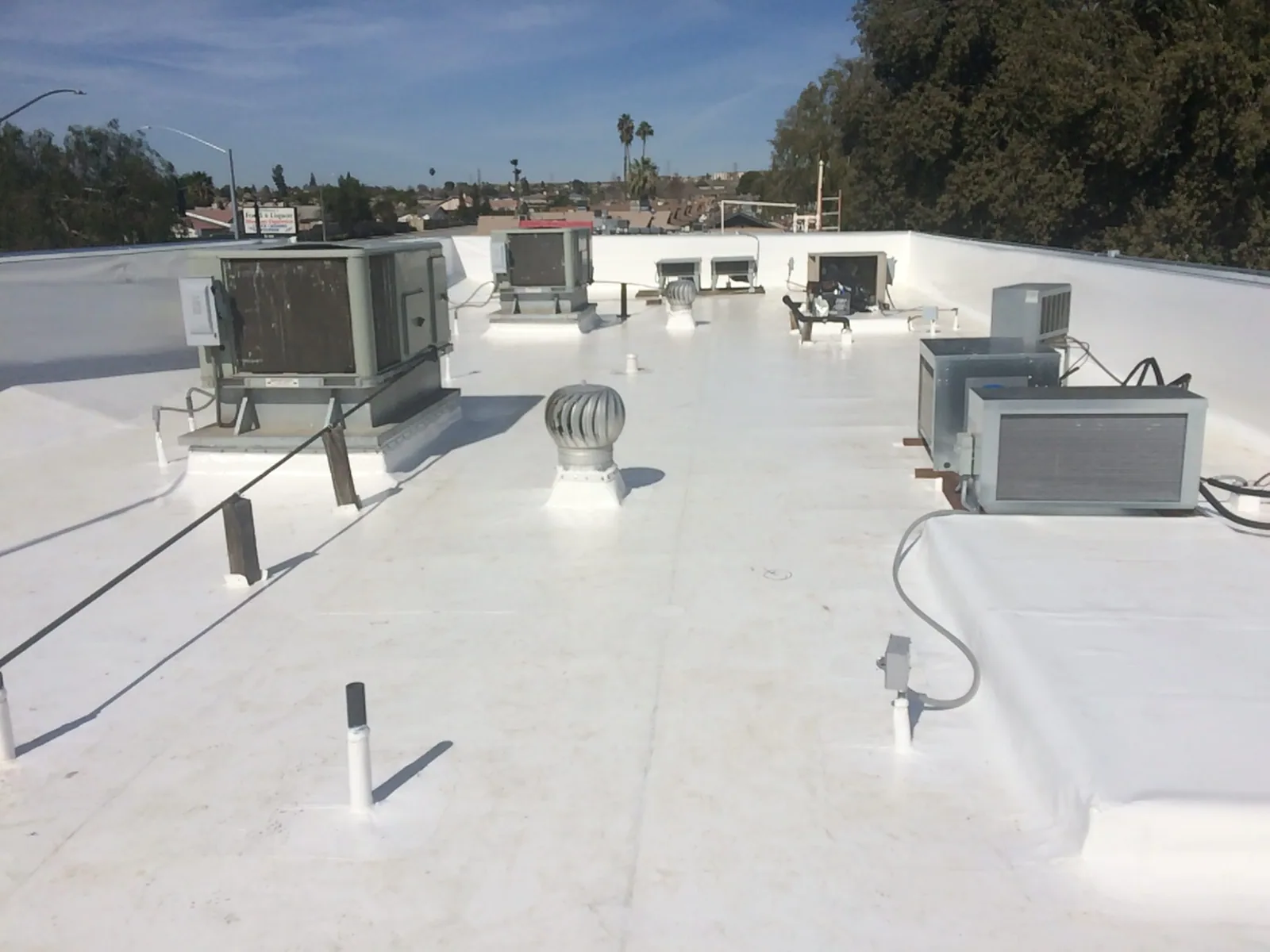
A confirmed concealed condition does not necessarily identify where water entered. Our leak investigation examines relevant roof and building connections for that question. Equipment, wall or plumbing involvement may require appropriate personnel. The thermal finding should contribute useful information without taking the place of the source assessment.
Our supporting-layer assessment explains relevant reconstruction questions. A local correction or wider removal needs its own evidence and complete assembly basis. Moisture presence, extent and material condition matter, but they do not create a universal replacement threshold. Keep the recommendation tied to established findings and the project requirements for the actual proposal.
Request a Roof Assessment
Compare retention and rebuilding through the complete scope
Our recover review considers retained construction alongside attachment, finished geometry and applicable requirements. A dry sample does not establish whole-roof eligibility. Suitable thermal and confirmation information contributes to that review within its coverage. Explain the remaining construction question before the owner relies on retention.
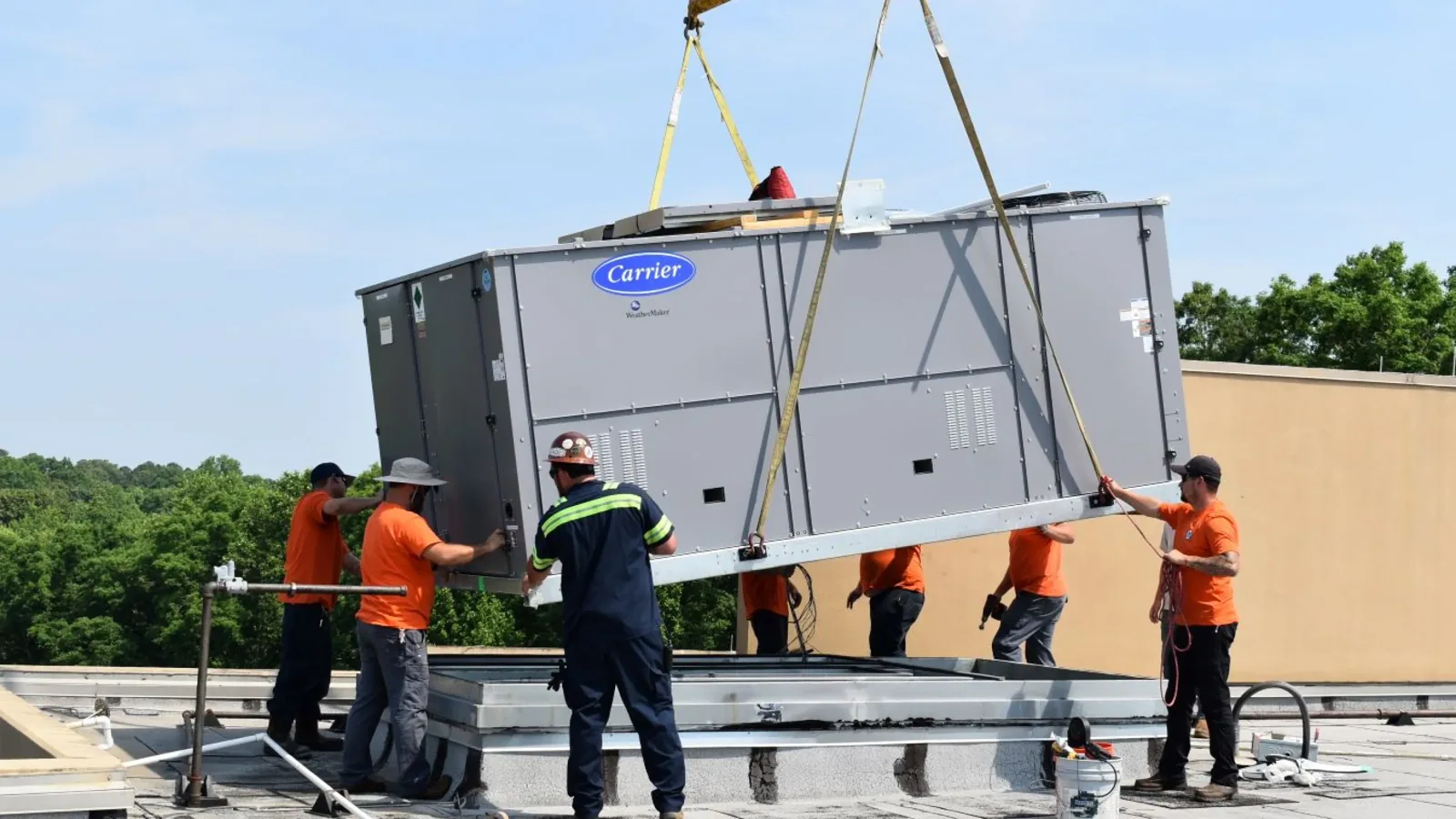
Our replacement planning describes removal and a complete new assembly where supported. Compare its useful purpose and enabling tasks with the retained option. The owner should understand how the findings affect each approach, including access or design review needed before work. A survey result contributes evidence rather than selecting the final construction automatically.
Request a Roof Assessment
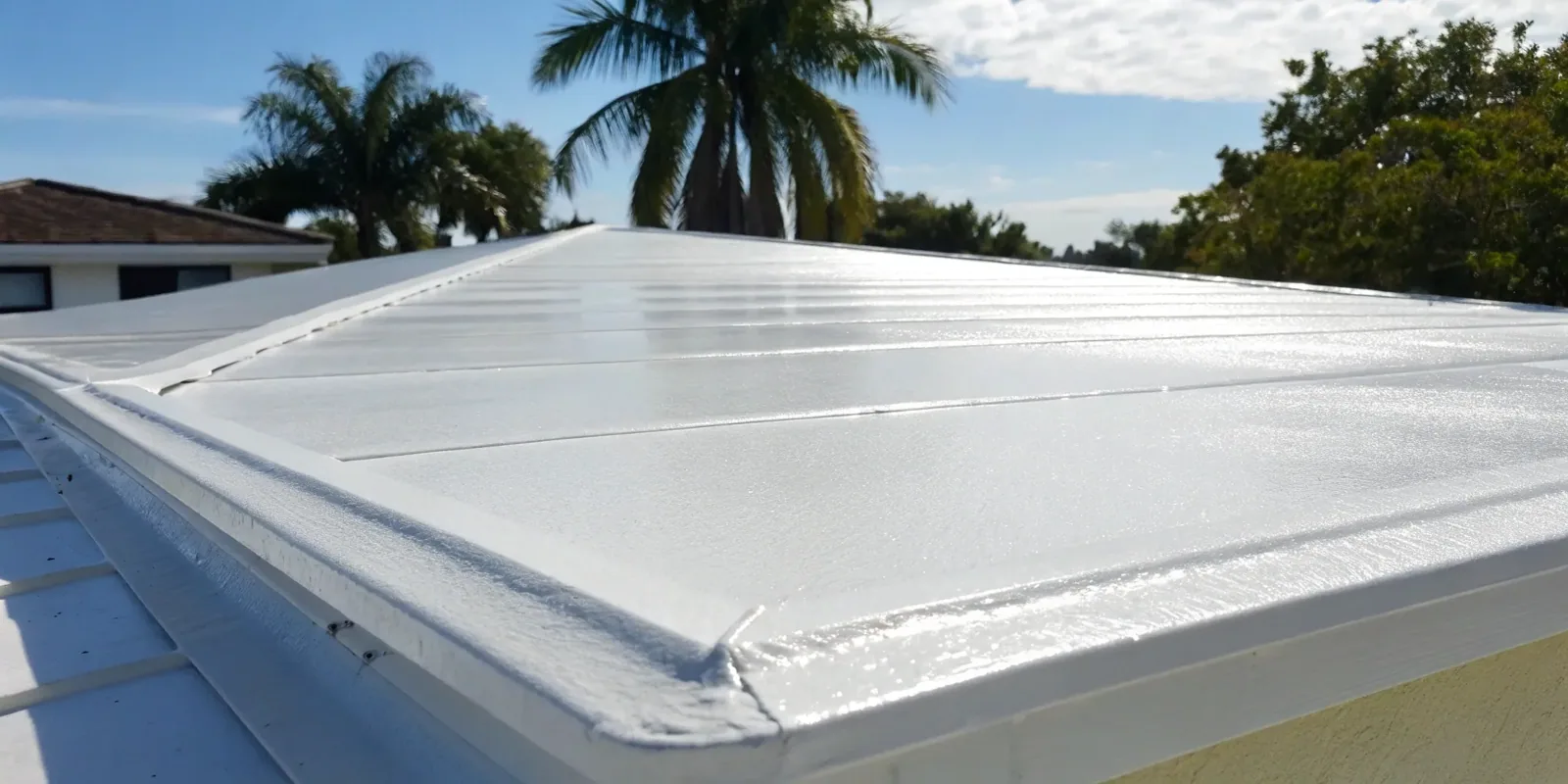
Coordinate the visit and close out the record
Corona's hot summers and cooler-season rainfall inform planning, while actual survey conditions govern the method's usefulness. Regional Santa Ana winds may affect access and observations. Review the property rather than assigning a clean thermal response from the city's climate. Keep operating requirements and suitable examination periods with the planned coverage.
Use the agreed facility drawing to identify the surveyed building at Rincon Corona Industrial Park. Coordinate the operator’s route and access period before bringing investigation equipment onto the site. Its location off SR-91 helps explain why receiving information belongs in the visit plan. At a Norco property, obtain separate access and equipment information. Retain the survey conditions, imagery, confirmation locations and conclusions together so the owner can follow which evidence supports the next task.
Add later findings with their dates and coverage rather than treating another scan as universal proof that a repair excluded water. A comparison needs suitable acquisition conditions and supporting interpretation. Preserve the original observations and the new information, allowing the next reviewer to understand what changed and what remains unresolved.
Interpret a thermal anomaly as a place to investigate, not as a measured boundary of wet insulation. Survey conditions, surface characteristics, recent solar exposure and roof construction can influence the pattern. Mark the scan area and its conditions, then select confirmation locations based on the thermal result and accessible assembly details. Record each opening, sample or other verification with its roof reference and finding. If verification is limited, show the unconfirmed area separately from any measured quantity. This method gives the owner a defensible basis for deciding whether additional investigation is warranted before repair, recover or replacement quantities are set.
Request a Roof Assessment
Begin with the assembly and the concealed-condition question
Share the address, roof records and purpose of the investigation. We will review whether thermal assessment is useful and provide an ordered account of observations, confirmation and the next decision it can support.
Questions
Infrared Moisture Survey: Common Questions
Record temperature patterns and interpret them for the actual assembly and conditions. Concealed moisture conclusions need suitable supporting evidence. The image alone does not identify every hidden layer or leak source.
Establish useful timing through the construction and current survey conditions. Heating and cooling response varies. A scheduled hour should not replace the method suitability review.
Document conditions at the sampled locations and relate them to the investigation. Further information may be needed for extent. Keep the local findings and remaining question visible.
Review actual extent, material condition and complete project requirements before choosing the scope. The survey contributes evidence. A suitable correction or wider construction option needs its own supported basis.
Retain coverage, relevant conditions, located imagery and confirmation information. Explain the conclusions and remaining questions. The owner can then follow the evidence supporting the next examination or construction task.