
Emergency Roof Repair in Corona, CA
Emergency Roof Repair
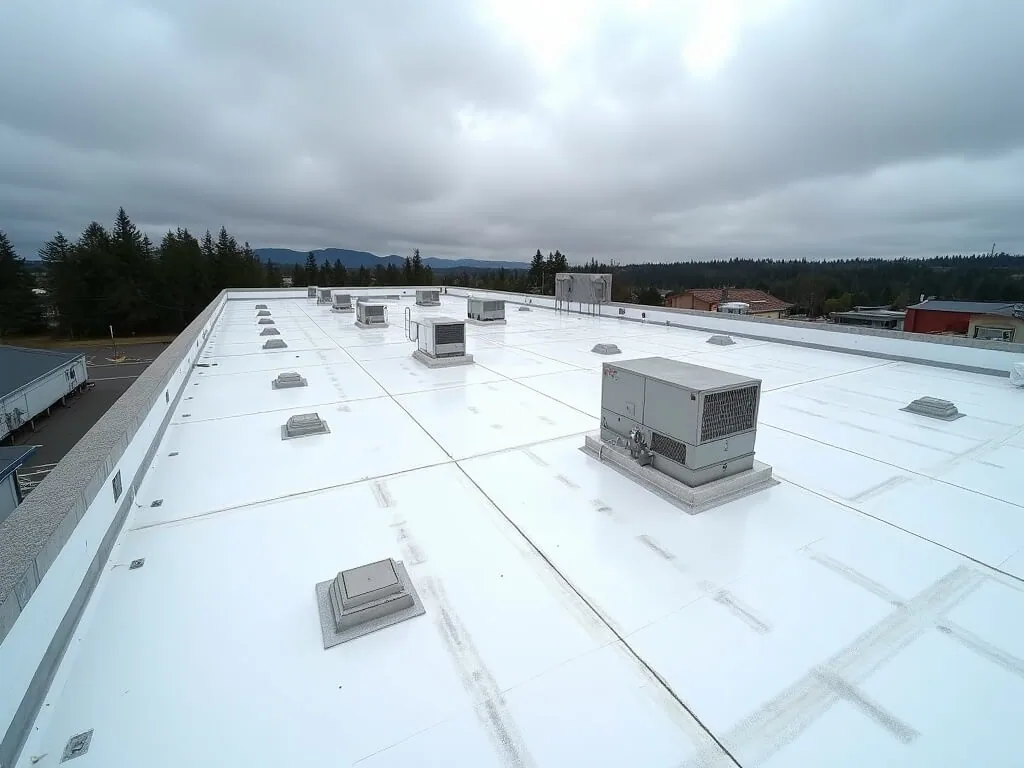
Begin an emergency assessment at the reported area of a Corona commercial building with the operator, locating affected rooms and the relevant roof access before choosing a measure. Record what is visible and which personnel need to address electrical, equipment or structural concerns. That first step establishes the useful roofing task without assuming that immediate roof entry is appropriate.
Emergency roof repair in Corona, CA is available around the clock. We review the report, current conditions and suitable access arrangements, then define measures supported by the actual construction. The owner receives the observed concern, work performed and remaining investigation. Attendance, temporary protection and permanent correction need their specific coordination; an emergency call does not establish every building-use or concealed-condition decision.
Request a Roof Assessment
Locate the report and assign immediate responsibilities
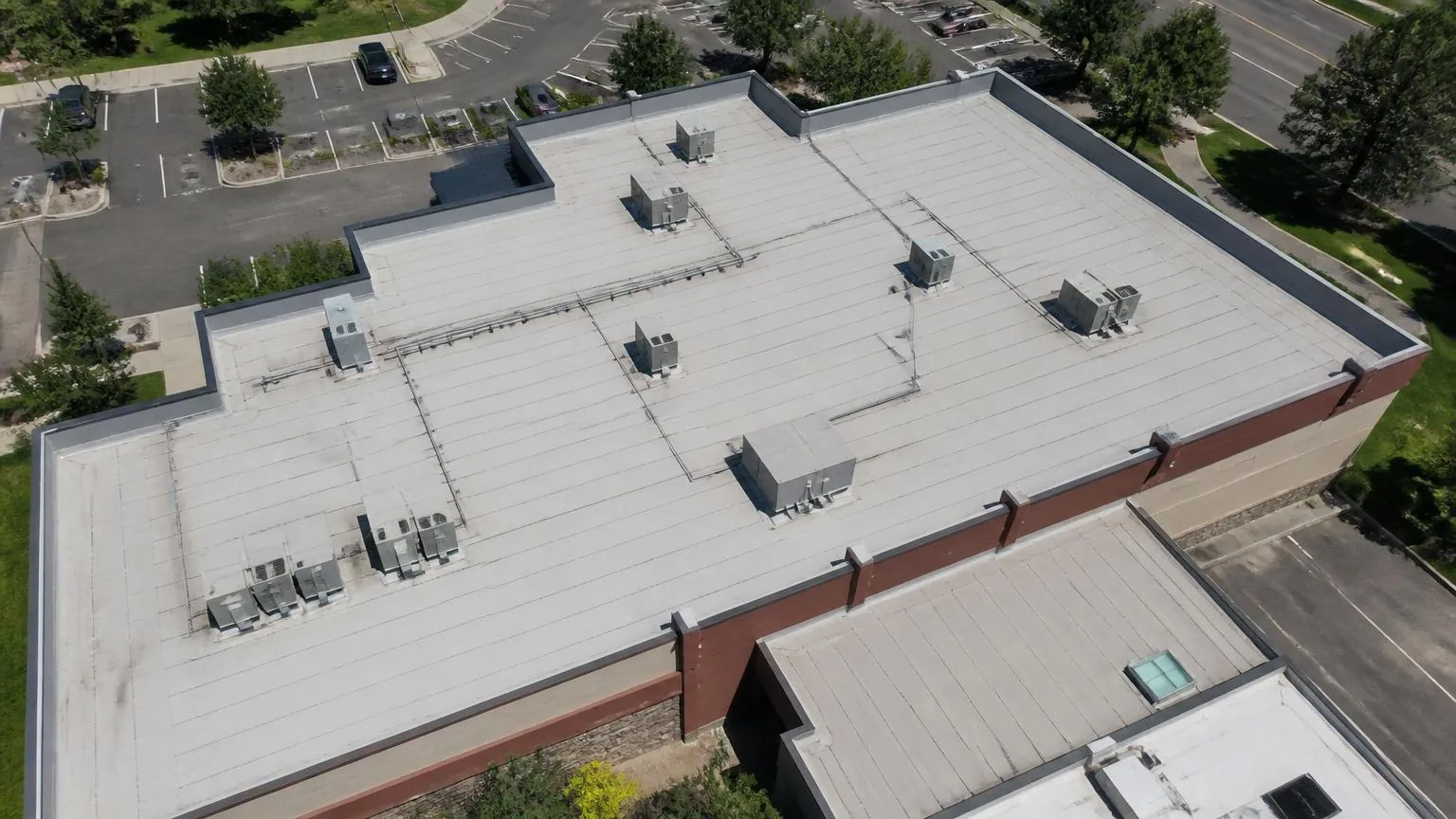
Ask where water or damaged material was observed, when it appeared and which activities are affected. Identify the operator contact and relevant equipment information. Do not ask occupants to enter an uncertain roof area to establish its condition. Facility personnel coordinate affected activities and appropriate qualified review where the report involves electrical or other systems.
Keep the roofing question separate from decisions about structure, equipment and building use. Those responsibilities may need qualified personnel or the relevant authority. Record the information available for the proposed assessment and the access task that must precede it. The owner can then arrange the right contact without interpreting the roofing response as approval to resume every activity below.
Request a Roof Assessment
Assess access and construction before selecting protection
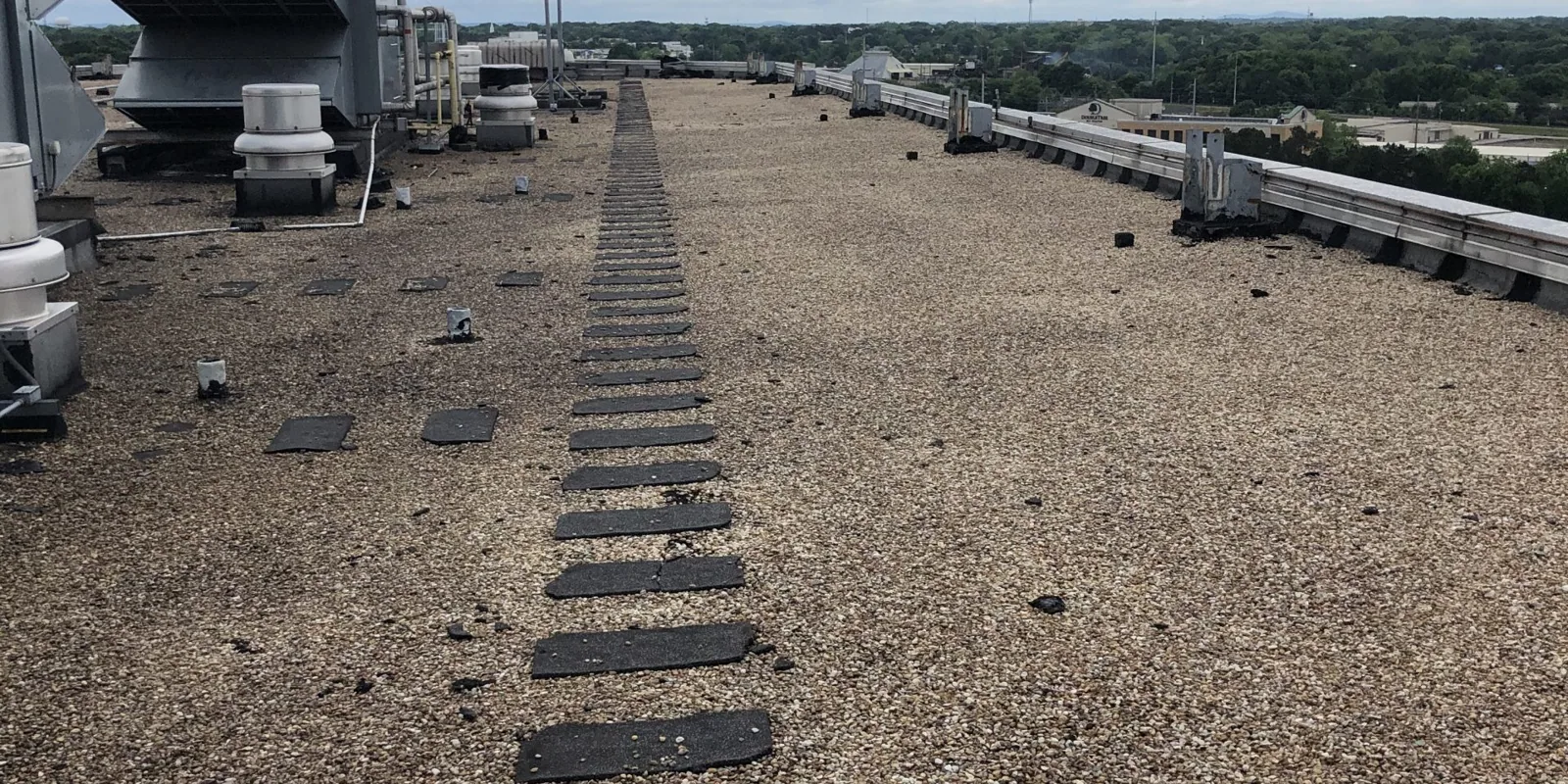
Examine current conditions and accessible observations through a suitable method. Roof damage, water, loose material and uncertain support can affect the assessment route. Identify the relevant boundary and the information needed before roofing work proceeds. A standard ladder-and-tarp routine should not replace examination of an opening whose construction or access remains unclear.
Our roof assessment provides a route to located findings where suitable. Equipment and material limits matter alongside current weather. If closer work cannot proceed appropriately, communicate the next useful assessment or control task to the owner. The plan should show what is established and what still needs review, rather than relying on an unexamined assumption about safe roof access.
Request a Roof Assessment
Define temporary work for the actual defect
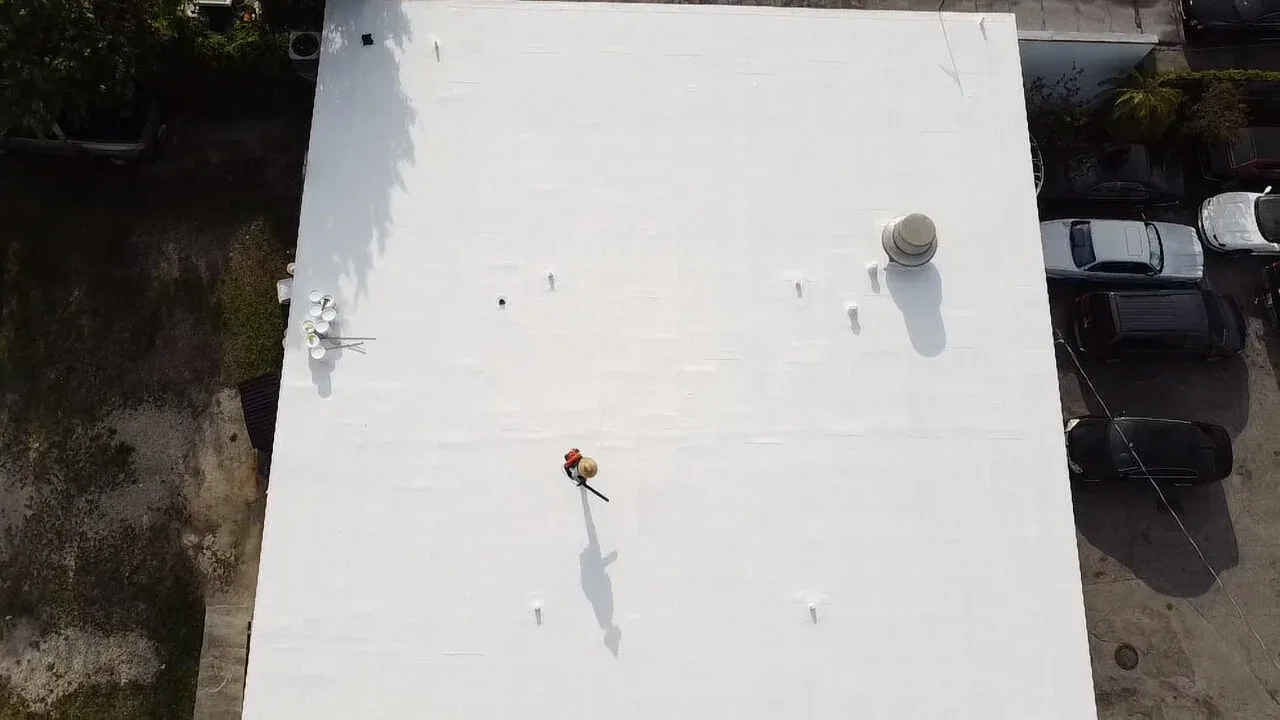
Select suitable temporary measures from the observed construction and current conditions. The method needs compatible materials, an appropriate connection and a follow-up arrangement. A tarp, temporary membrane or local treatment has limitations that should be described. It does not provide a universal service duration or assurance that every later rain or gust will leave it unchanged.
Record what was installed and where, with relevant checks and the condition at the time. Identify who receives a changed observation and how the next examination will be arranged. Our source investigation addresses reported water where the entry remains uncertain. A temporary measure should be documented as its actual task, not automatically as confirmation that the original cause was found.
Request a Roof Assessment
Commercial Roofing Services
Related Commercial Roofing in Corona
Other services, systems and buildings that often come up alongside this work.
Roof Systems
Commercial Roof Systems We Work With
Single-ply, built-up, metal and coating systems we install and repair across Corona:
TPO Roofing
Corona TPO roofing reviews the complete assembly, compatible welded details and suitable installation checks before defining the work sequence.
PVC Roofing
Corona PVC roofing reviews product-specific exposure, complete assembly requirements and compatible welded details before planning the roof work.
EPDM Roofing
Corona EPDM roofing reviews rubber membrane condition, compatible seam procedures and complete supporting requirements before planning the work.
KEE Roofing
Corona KEE roofing reviews the selected membrane, actual exposure and complete construction before coordinating suitable preparation and details.
Modified Bitumen Roofing
Corona modified bitumen roofing reviews layered construction, suitable application methods and actual facility.
Built-Up Roofing
Corona built-up roofing examines layered construction, suitable repair connections and application controls before defining the complete work.
Need Help With a
Commercial Roof?
Review wind and fire concerns through their findings
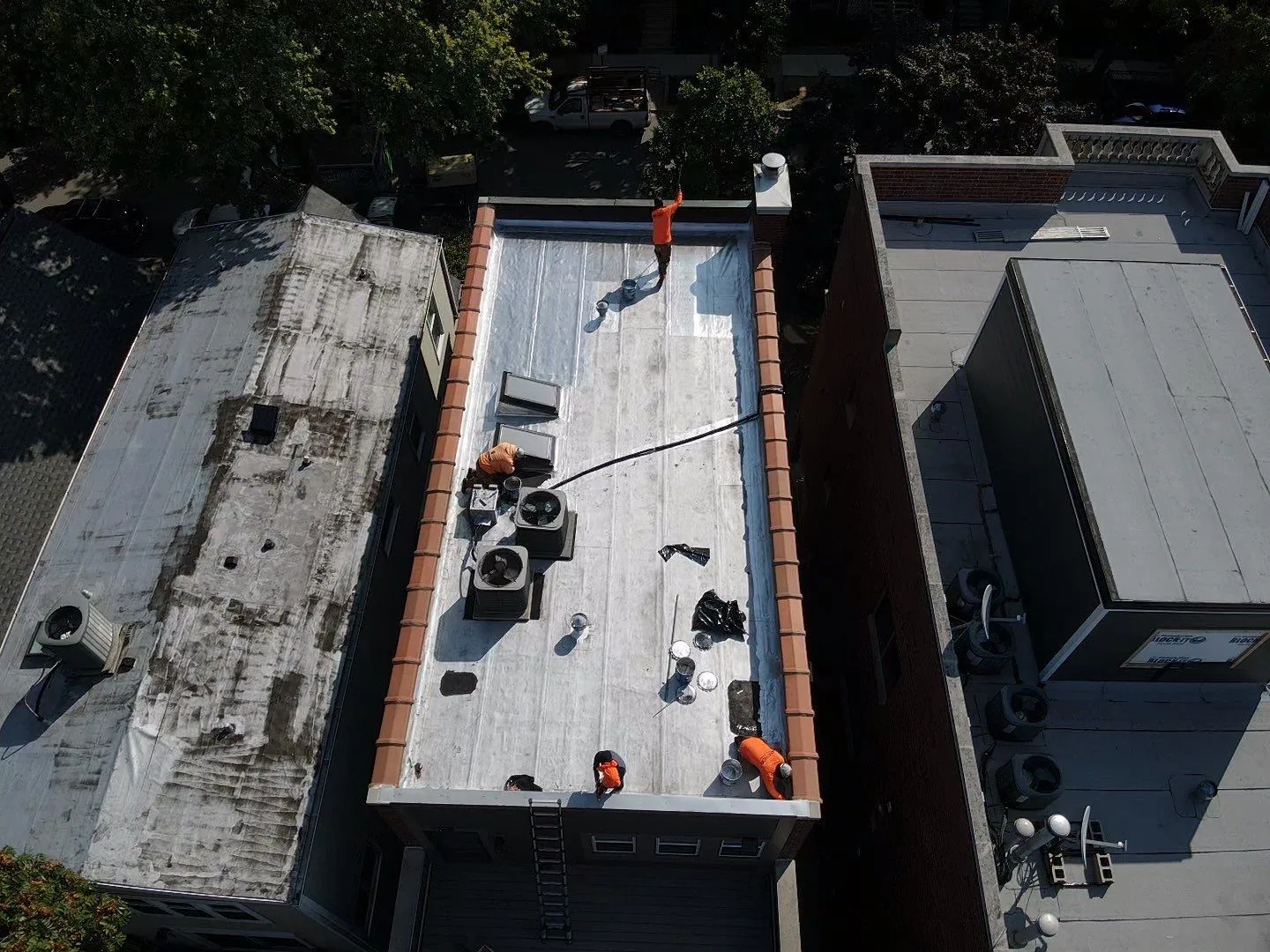
For observed displaced or damaged roofing, mark the accessible concern and evaluate suitable immediate work. Our wind-related correction planning connects the findings with the relevant roof scope. A regional gust statistic does not establish design requirements or the cause of every damaged connection. Keep those conclusions tied to useful property information.
Our fire-related roof assessment begins with the access and clearance needed for the affected facility. Qualified personnel and authorities address relevant structural, electrical and other system questions. A visible roof surface does not establish concealed fire extent. The owner needs the assigned review and actual findings before removal or permanent rebuilding relies on them.
Request a Roof Assessment
Investigate the layers relevant to permanent work
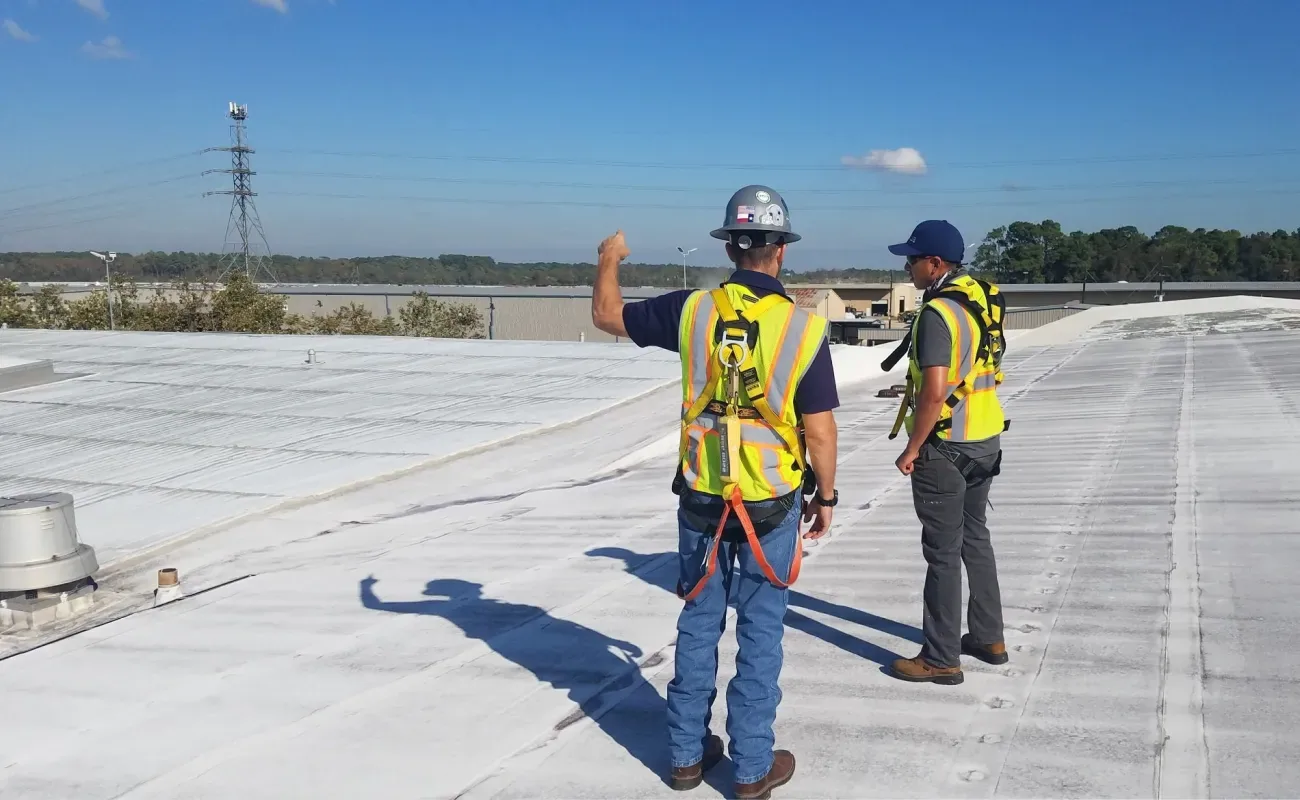
A temporary surface measure does not establish concealed condition. Suitable authorized investigation may be needed where retained layers affect the permanent correction. Our thermal assessment contributes interpreted observations when conditions suit the assembly, with appropriate confirmation for the decision. It does not automatically define every wet layer or the entry source.
Keep samples and exposed findings within their established coverage. Our supporting-layer review addresses relevant reconstruction questions. The owner receives the useful removal or retention proposal and the further information needed to establish extent. An unusual surface response or wet material at one location should not be turned into an automatic whole-roof conclusion.
Request a Roof Assessment
Coordinate the property and current work conditions
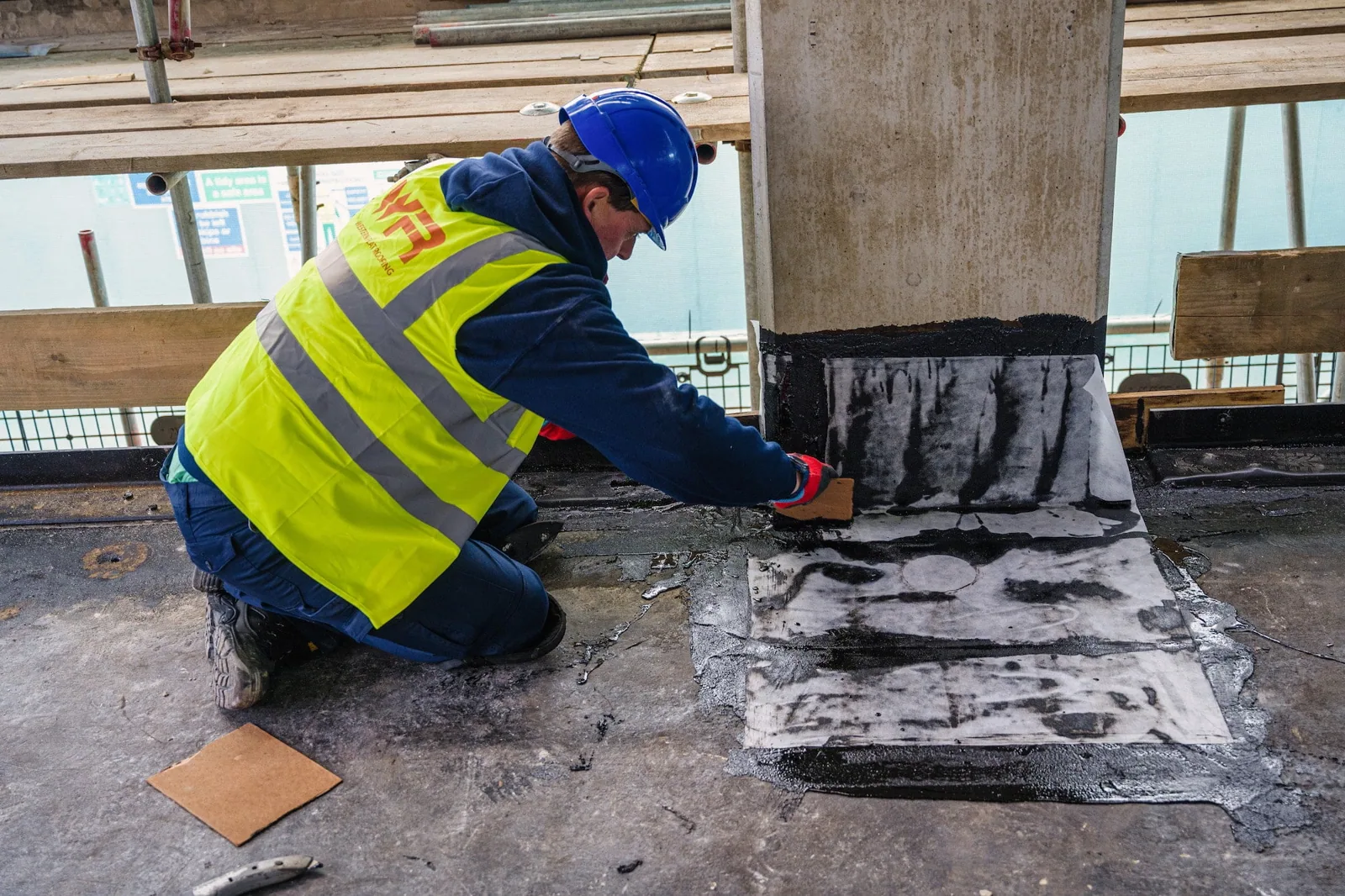
Corona's hot summers and cooler-season rainfall help frame planning. Regional Santa Ana winds may affect access and handling, while actual conditions govern the task. Avoid assigning damage from an event history alone. Review the affected construction and selected product requirements before choosing an immediate or permanent method.
For a site at Rincon Corona Industrial Park, request the operator's route to the reported building and receiving instructions. Its industrial setting off SR-91 makes that coordination useful. A Norco property needs a separate contact and access arrangement. The actual report and operator information establish the response sequence rather than a presumed schedule for all buildings in the area.
Request a Roof Assessment
Hand over the work record and next correction
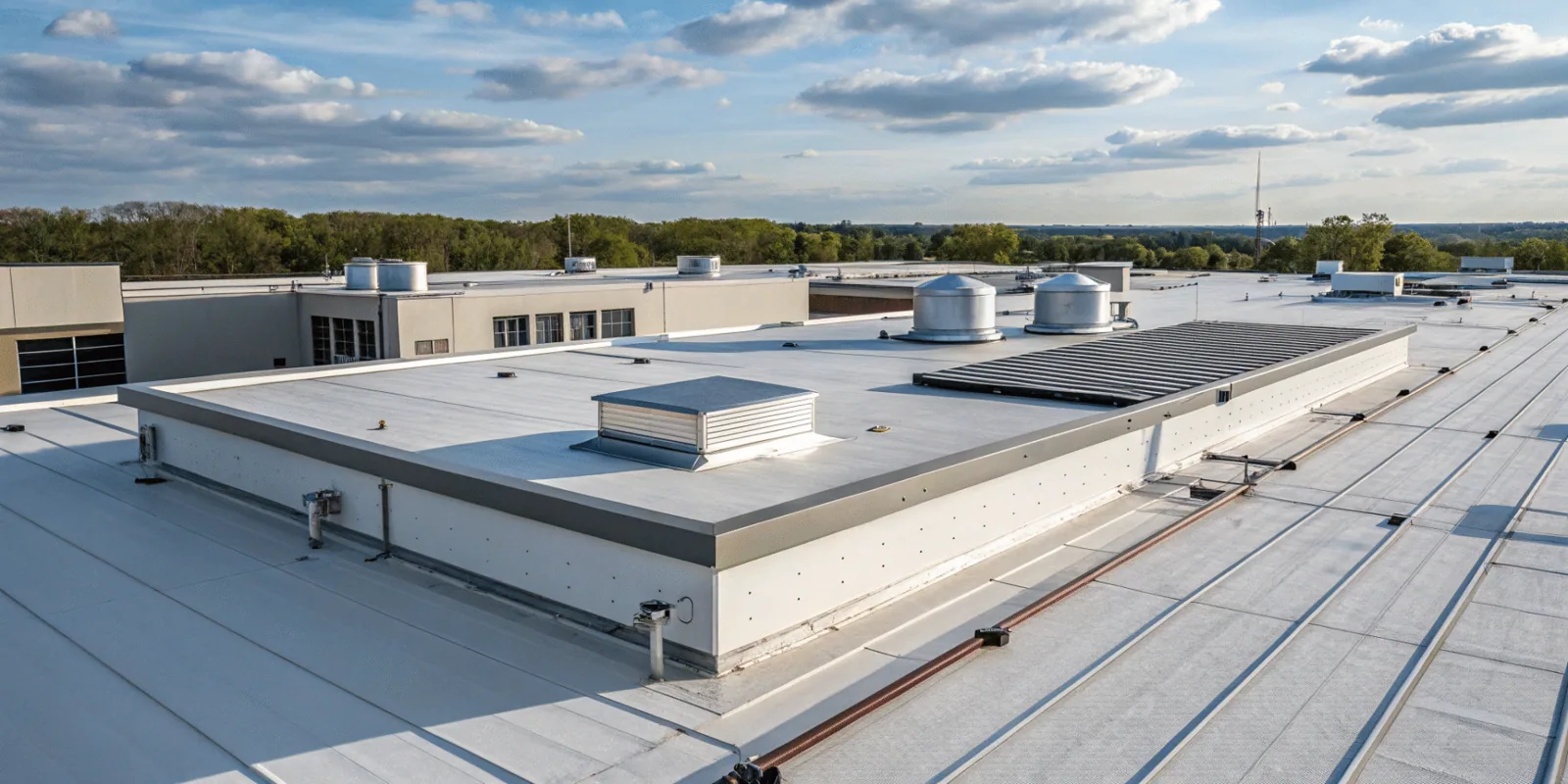
Retain dated photographs, located observations and the temporary work performed. Describe the next assessment or permanent correction and the operating coordination needed for it. Our claim documentation assistance can organize those records with the actual scope. Cause, policy coverage and payment need their respective evidence and review.
Explain remaining responsibilities, including any qualified system or supporting-construction review. The owner should know whom to contact about a changed observation and what information helps the next visit. Review permanent work against suitable material conditions and authorization. Its scheduled period should follow that readiness rather than a fixed next-day completion rule.
If the report changes after temporary work, add the new location and time to the record. Reassess the useful task against current conditions. Keep the original measure and the later findings distinct so the owner can follow the progression to correction without treating a quiet interval below as proof of every concealed condition.
Separate immediate exposure control from the permanent repair decision. First document the affected interior area, roof location, active water path and any condition that makes access unsafe. Temporary measures should be limited to work that can be performed safely and that does not obstruct drainage or hide evidence needed for the next assessment. Record the material and boundary of that measure, then set out the follow-up examination needed to identify the source and permanent receiver. If the roof contains electrical equipment, unstable surfaces or other hazards, the appropriate property and safety contacts must resolve those conditions before roofing proceeds. This keeps urgent stabilization useful without presenting it as a completed repair.
Request a Roof Assessment
Start with the reported area and the operator contact
Share the address, observed damage and affected activities. We will review suitable assessment and immediate roofing tasks, then provide an ordered account of the findings and next correction needed.
Questions
Emergency Roof Repair: Common Questions
Around-clock emergency response is available. Share the report and operator contact so the actual attendance and useful tasks can be coordinated. Current conditions and access still need assessment.
Review the actual method, construction and subsequent conditions. Explain its purpose, limitations and follow-up arrangement. A fixed life or storm-survival promise should not substitute for that review.
Keep structural, electrical and other relevant system decisions with qualified personnel and authorities. Roofing findings contribute their specific information. The operator coordinates affected activities through the appropriate review.
Use suitable survey conditions, interpretation and appropriate confirmation for the actual question. Keep coverage and remaining extent visible. Imagery alone does not establish every retained layer.
Retain located findings, work performed and the next ordered tasks. Identify relevant limitations and responsible contacts. The record should explain what was done and what still needs examination or authorization.