Roof Insurance Claim Assistance in Corona, CA
Roof Insurance Claim Assistance
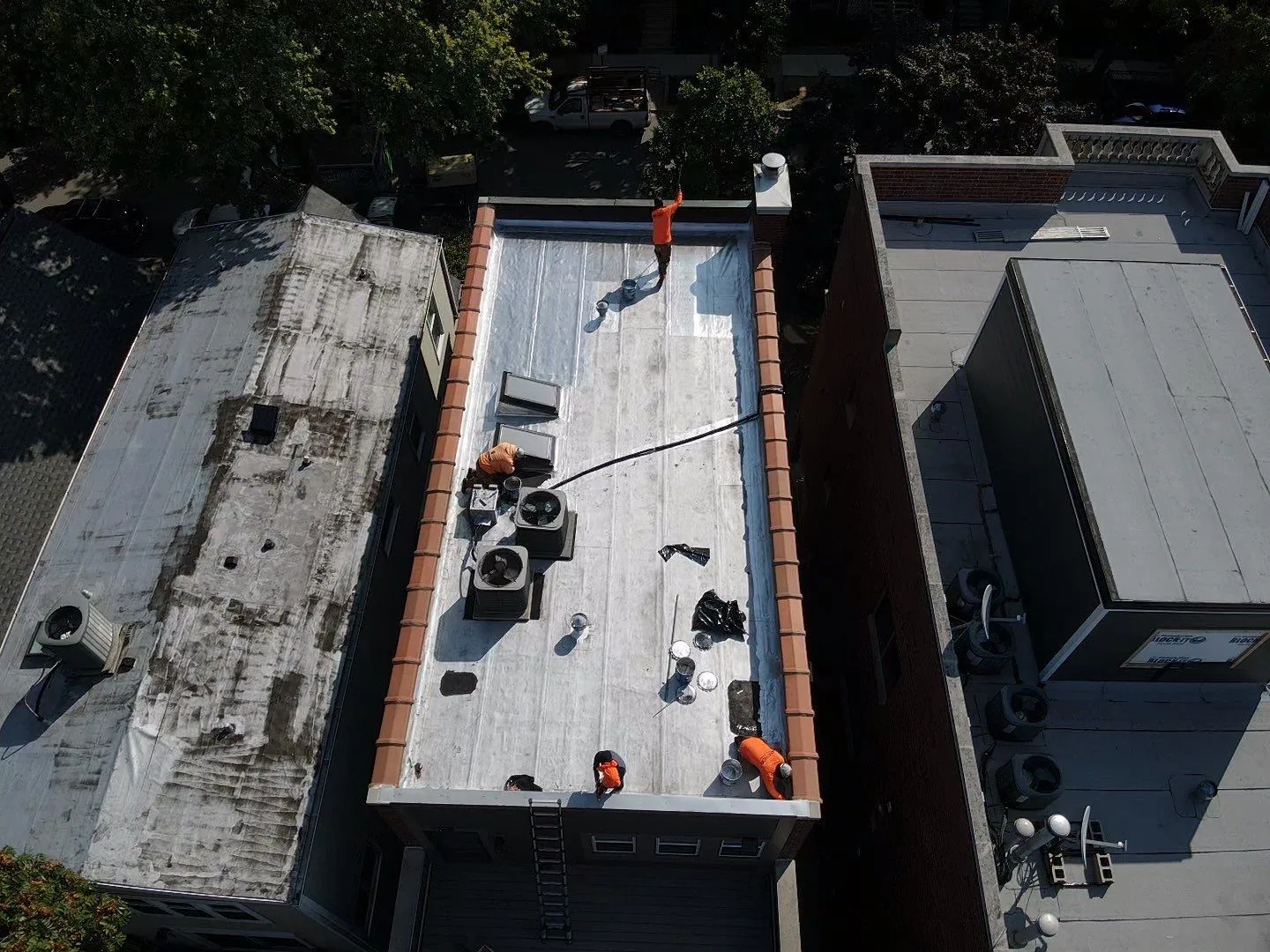
Number the observed damaged detail on a Corona commercial roof drawing and take its photograph before recording the proposed correction. Keep the visit date with that location and the operator's report. This first step gives the owner a roofing account that can be followed through the claim file without converting an event date into an unsupported conclusion about cause.
Roof insurance claim assistance in Corona, CA organizes the findings, defined roofing scope and work records for appropriate review. We describe accessible condition and remaining questions in plain order. The owner receives useful technical information while policy interpretation, coverage and payment remain with the insurer and applicable policy. A complete roof record contributes evidence; it does not establish a particular claim outcome.
Request a Roof Assessment
Collect the report and earlier roof information
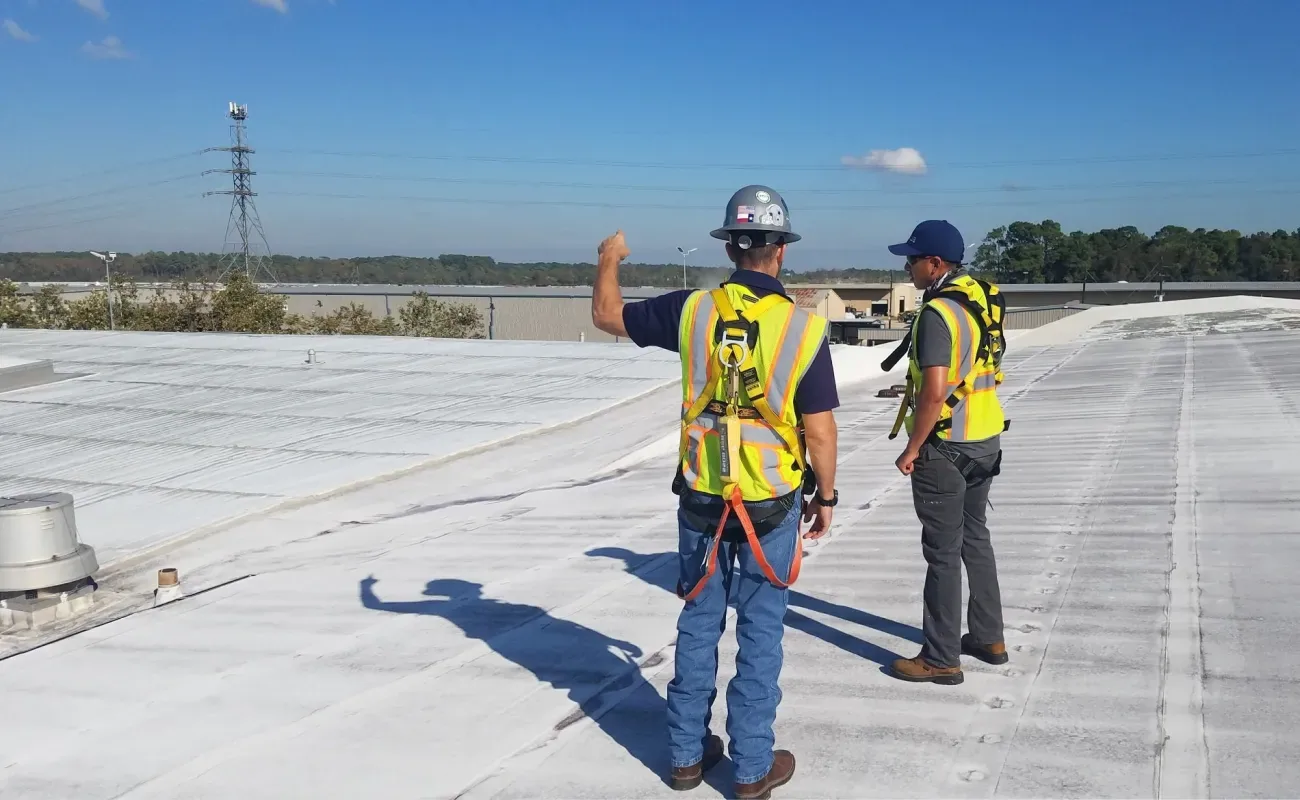
Ask when the concern was observed, where it appeared and what activities were affected. Obtain available earlier photographs, installation information and repair records. Keep the report separate from the condition established through examination. A newly noticed defect may need comparison or additional investigation before its relationship to a reported event can be explained.
Our roof findings review establishes accessible coverage and relevant questions. Describe any location not examined through the agreed method. The owner should know what the report supports and which useful next task could address a gap. A claim file should preserve those limitations rather than treating an unexamined roof section as proven sound or damaged.
Request a Roof Assessment
Mark damage at consistent roof references
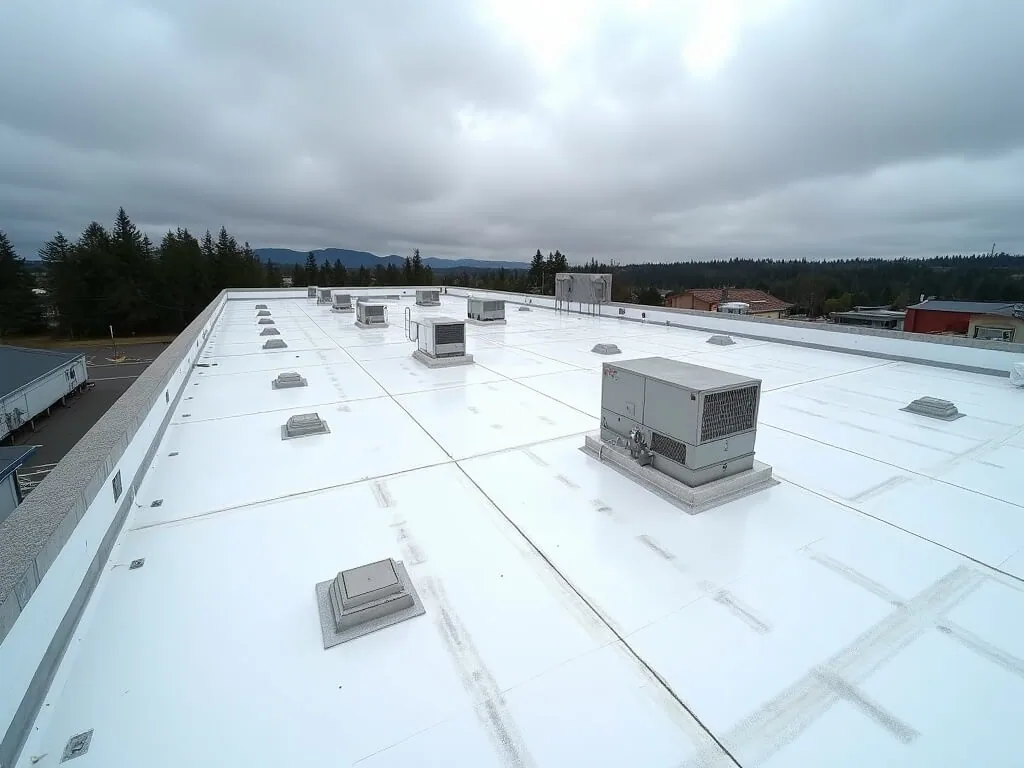
Photograph relevant details and identify their locations on a usable drawing. Record the observed condition in concrete terms: displaced material, an accessible open connection or another visible concern. A defect label should not automatically supply its cause. Keep the finding connected with construction information and the additional check needed where the explanation remains uncertain.
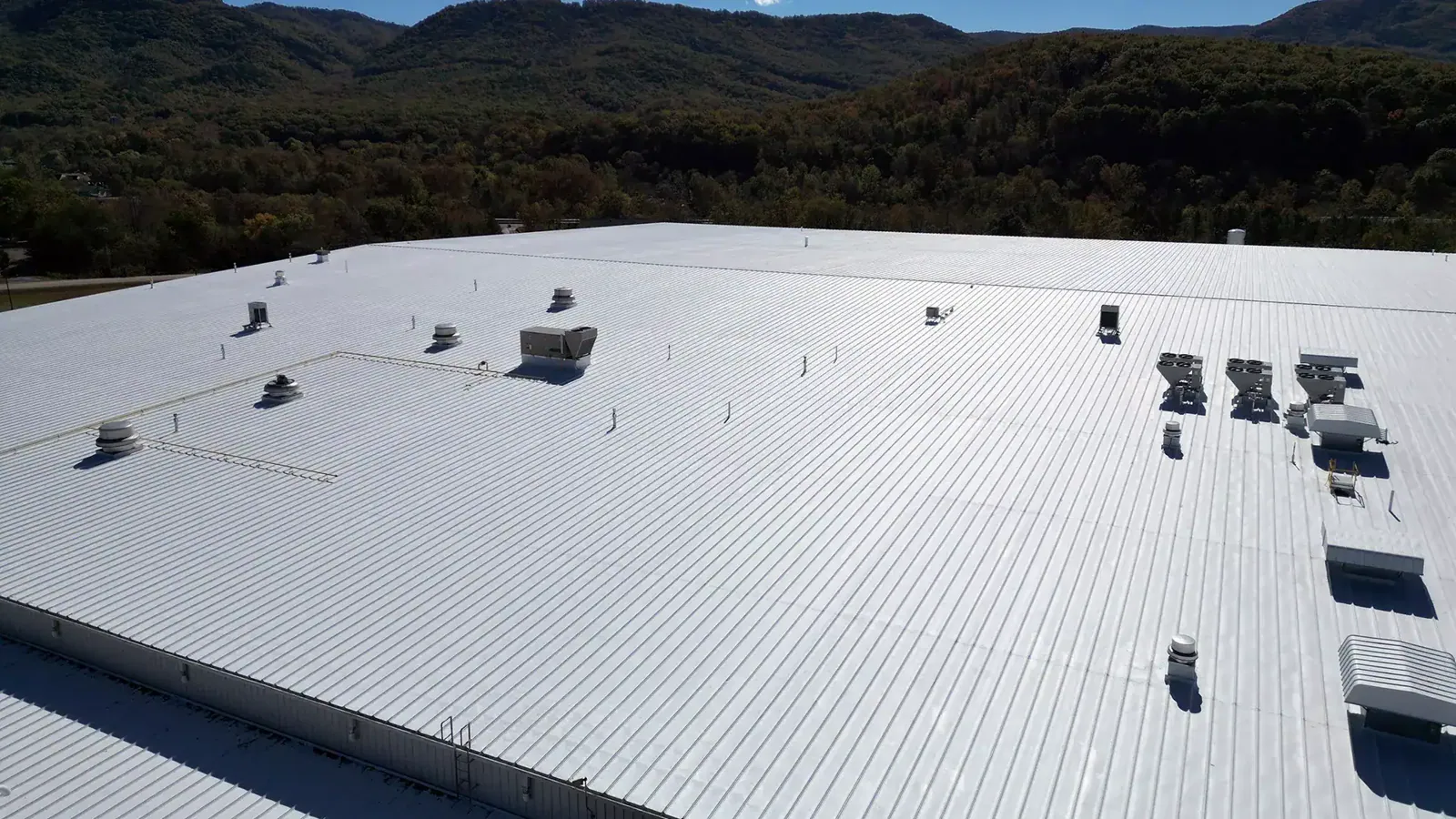
Our aerial documentation planning considers suitable authorized imagery where it contributes useful coverage. Overview images need appropriate quality and references. They do not establish every seam or concealed layer. Retain dates and acquisition coverage with any comparison so the owner can distinguish the visible observation from a conclusion supported by closer or different investigation.
Request a Roof Assessment
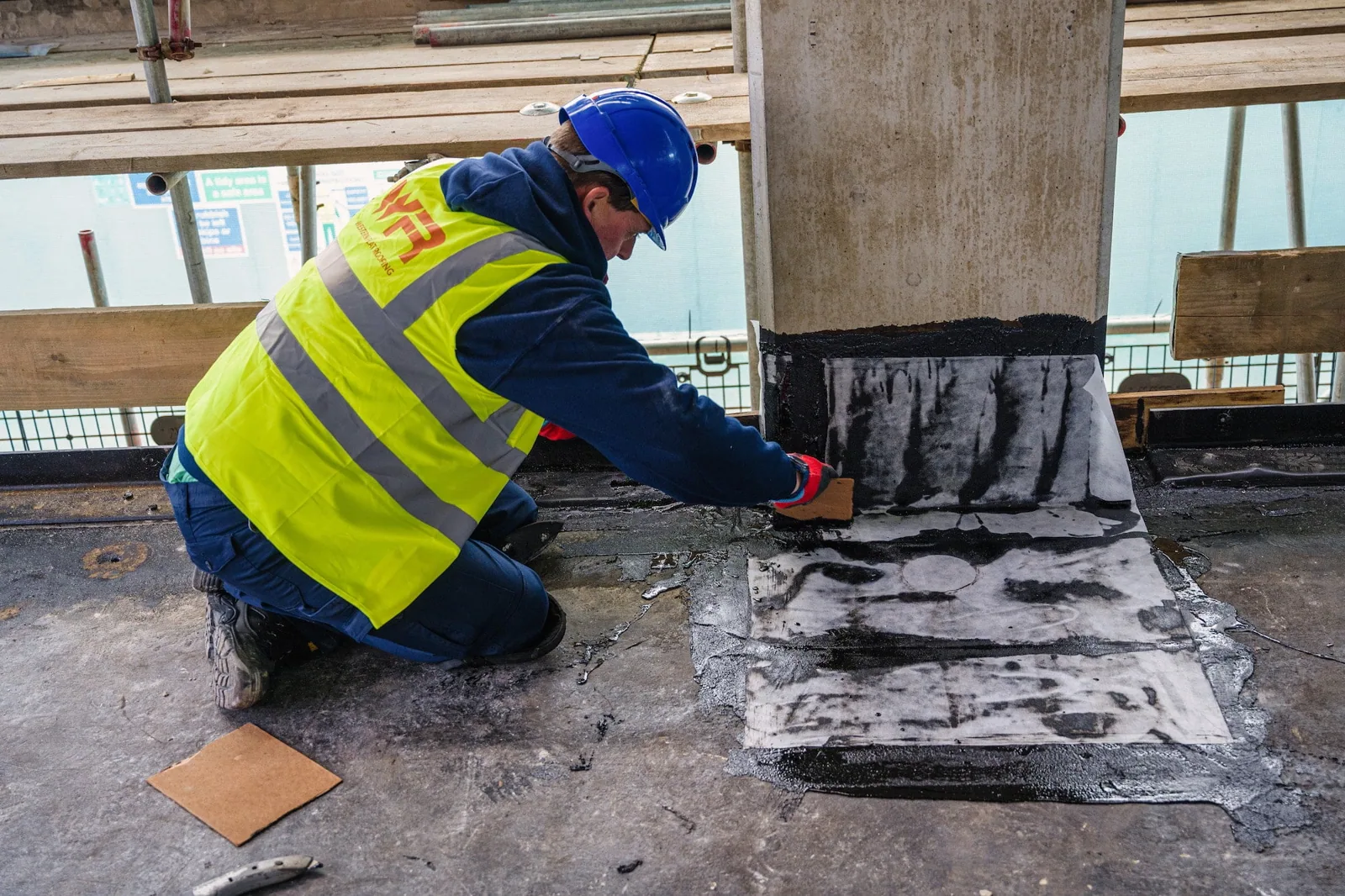
Document immediate work and the remaining assessment
Record suitable temporary measures through their actual method, location and relevant checks. Explain the purpose and limitations, including the follow-up arrangement. The account should not treat temporary surface coverage as proof that every interior source or concealed condition has been resolved. Current conditions and actual construction establish the roofing task that can be performed.
Our emergency coordination addresses around-clock response and specific site arrangements. Our water-source assessment examines the reported concern where relevant. Keep the work performed and the investigation remaining as separate entries. The owner can then present an accurate sequence without having an immediate measure described as a completed permanent correction.
Request a Roof Assessment
Commercial Roofing Services
Related Commercial Roofing in Corona
Other services, systems and buildings that often come up alongside this work.
Roof Systems
Commercial Roof Systems We Work With
Single-ply, built-up, metal and coating systems we install and repair across Corona:
TPO Roofing
Corona TPO roofing reviews the complete assembly, compatible welded details and suitable installation checks before defining the work sequence.
PVC Roofing
Corona PVC roofing reviews product-specific exposure, complete assembly requirements and compatible welded details before planning the roof work.
EPDM Roofing
Corona EPDM roofing reviews rubber membrane condition, compatible seam procedures and complete supporting requirements before planning the work.
KEE Roofing
Corona KEE roofing reviews the selected membrane, actual exposure and complete construction before coordinating suitable preparation and details.
Modified Bitumen Roofing
Corona modified bitumen roofing reviews layered construction, suitable application methods and actual facility.
Built-Up Roofing
Corona built-up roofing examines layered construction, suitable repair connections and application controls before defining the complete work.
Need Help With a
Commercial Roof?
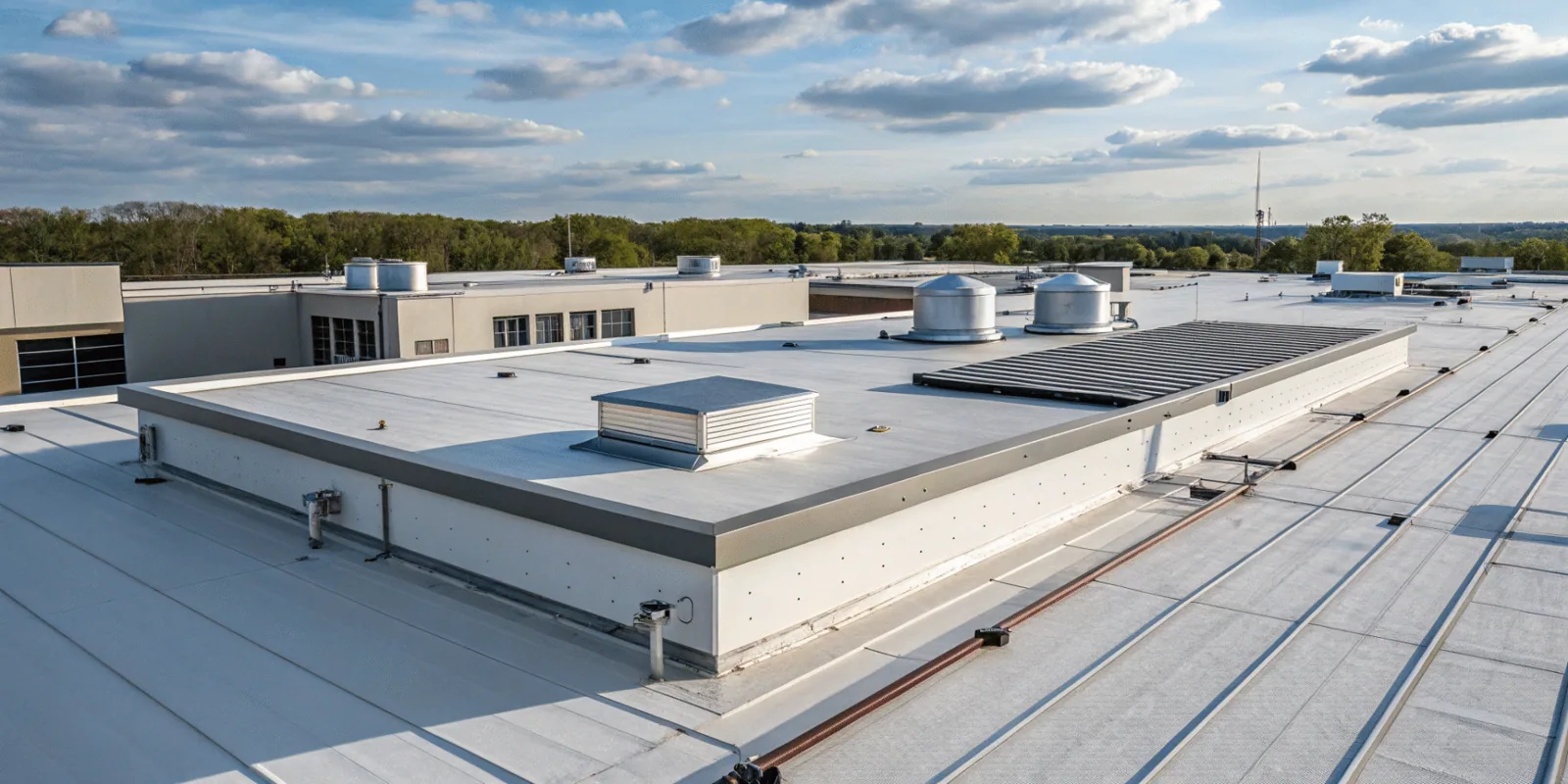
Keep concealed evidence within its actual coverage
Suitable authorized investigation may be necessary where retained layers affect the proposed scope. Our thermal investigation contributes interpreted patterns under appropriate conditions, with confirmation where the decision relies on hidden condition. An image does not automatically establish all wet material or identify the entry point of reported water.
Samples and exposed findings provide information at their locations. Record their method and relationship to the relevant question. Our supporting-layer scope review addresses reconstruction requirements. Where extent remains uncertain, retain the next investigation rather than treating a local condition as proof of whole-roof damage. The file should allow an authorized reviewer to follow how the proposed boundary was established.
Request a Roof Assessment
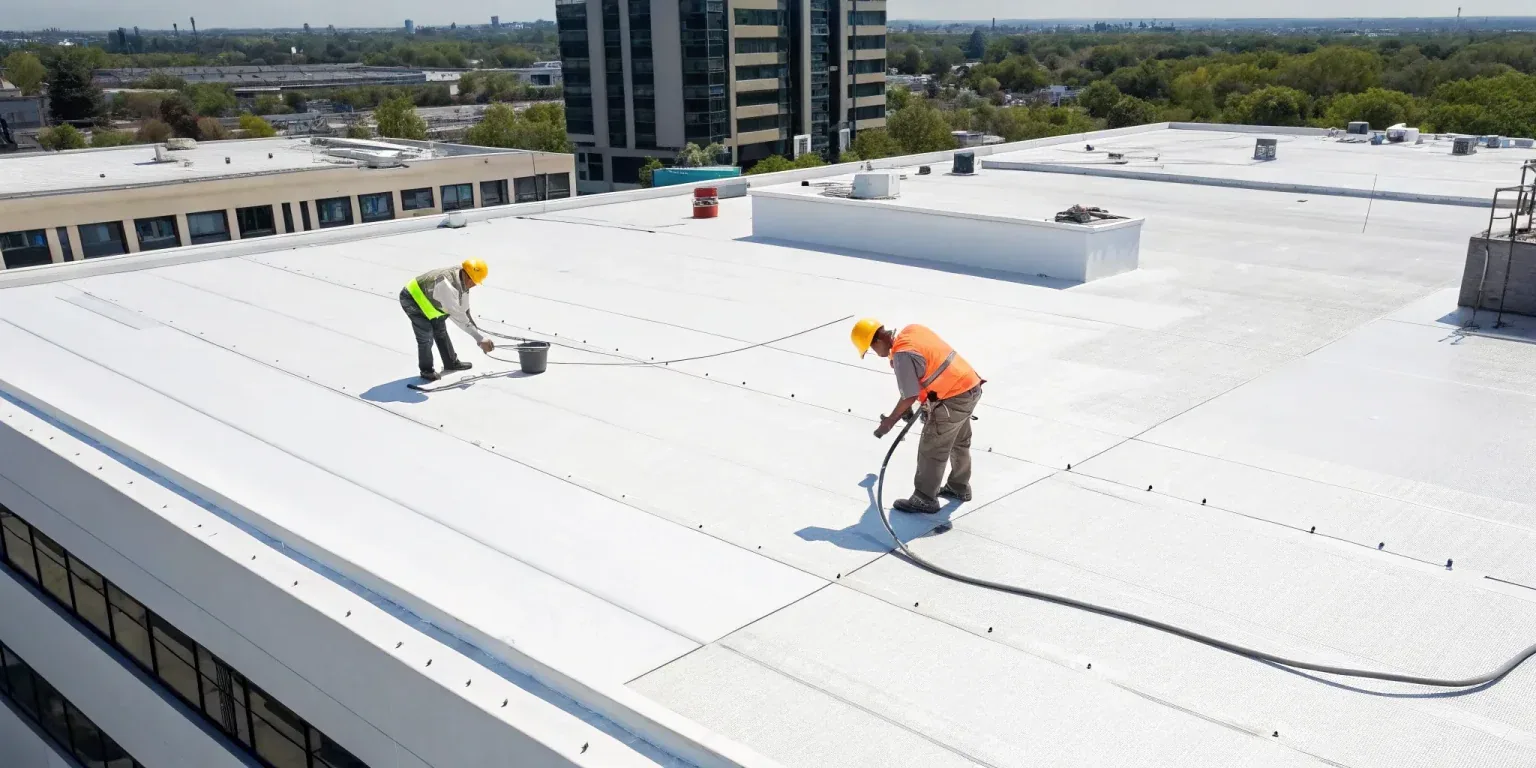
Describe the correction and its useful work boundary
Our defined repair planning explains compatible preparation, materials and relevant checks for supported local work. A larger construction option needs its complete assembly and project basis. Keep the useful result and work outside the scope clear. The owner should understand which finding supports each proposed correction without relying on a fixed patch threshold.
Describe access, operating coordination and related trade tasks where they affect the roofing work. Qualified personnel address their own equipment or supporting questions. If a further finding changes the proposal, locate it and explain the required approval before extending construction. Keep the original account and the revised scope distinct so the claim record reflects the actual sequence of information and decisions.
Request a Roof Assessment
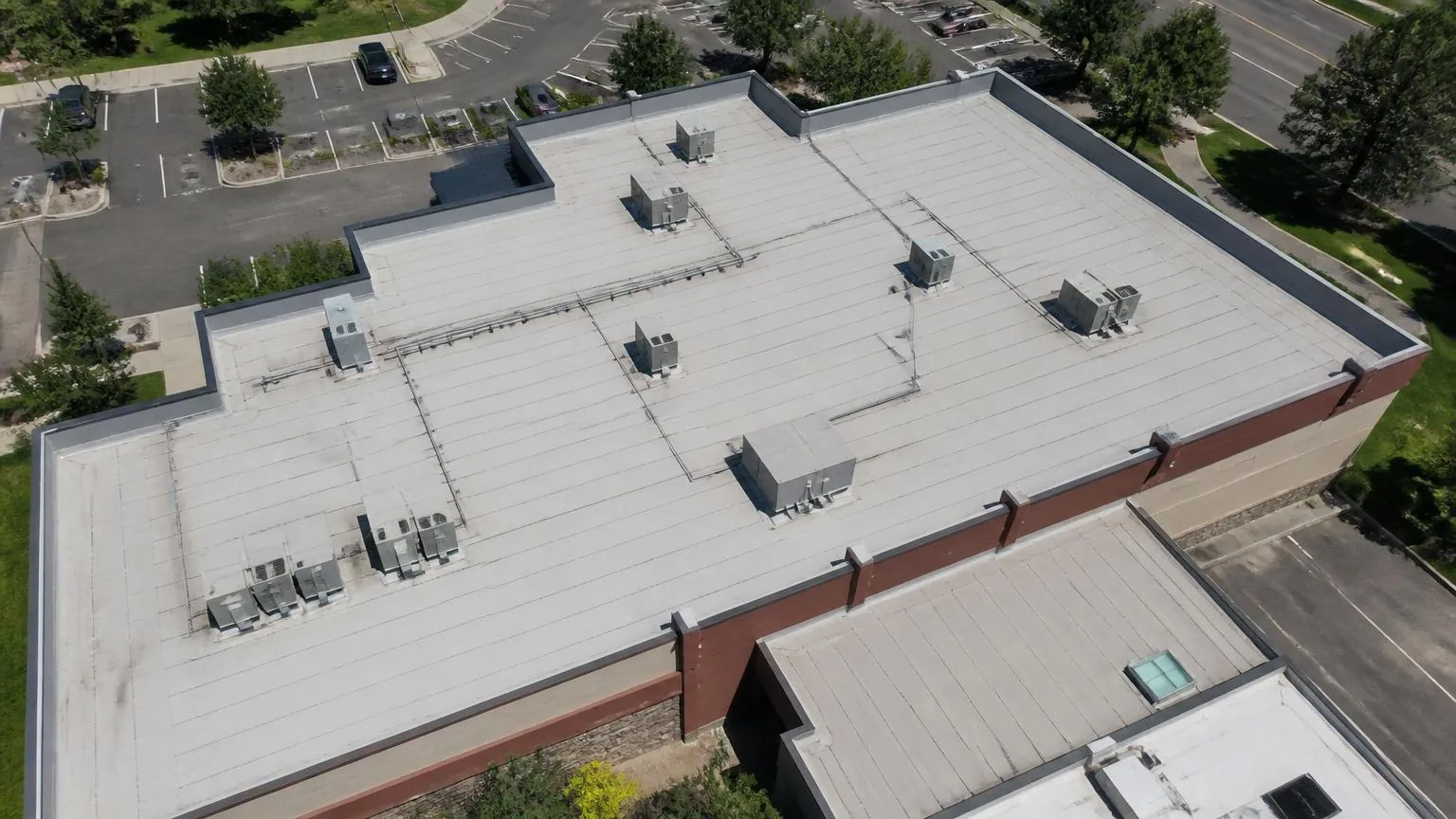
Coordinate local access and event context carefully
Corona's hot summers and cooler-season rain provide planning context. Regional Santa Ana winds can affect access and handling. Event information can help identify an investigation question, but it does not establish cause or design requirements at an individual property. Current observations and appropriate project information need to support the roofing recommendation.
For a Norco property, retain the operator's reported areas and access instructions. At Rincon Corona Industrial Park, obtain the route to the affected building and actual receiving arrangements. Its documented industrial development off SR-91 makes site coordination useful. The record should describe the examined roof, not infer current assembly or damage from a development date.
Request a Roof Assessment
Finish with the located work and follow-up record
Retain photographs, completed locations, material information and relevant checks alongside approved changes. Identify remaining tasks and the contact responsible for access. Review manufacturer and workmanship terms through their actual documents where applicable. The owner receives a roofing record that distinguishes findings, authorized scope and completed work rather than a general statement that everything was repaired.
Add later interior observations or equipment changes with their dates and locations. A quiet interior interval does not establish every concealed layer or prove all possible sources were resolved. Reassess a renewed report through suitable examination and preserve its relationship to the completed work. Another reviewer can then understand what was known at each stage and which question still needs an assigned task.
Provide the owner with the agreed documentation in an organized sequence. Keep the technical roof findings separate from assumptions about what the carrier will require or pay. If another examination or scope explanation is requested, define that task from the actual question and available evidence before arranging the next visit.
Keep the construction record factual and separate from coverage conclusions. A useful file identifies the reported date, affected roof zone, observed condition, photographs, examination limits and work performed. Show measured quantities and the method used to set them; label any estimate that depends on an opening or later confirmation. Preserve approved changes and invoices with the related scope so an owner or adjuster can trace the work to the original finding. Roofing documentation can clarify building conditions and repair steps, but policy interpretation, causation and claim acceptance belong to the appropriate insurer and qualified claim representatives.
Request a Roof Assessment
Start with the reported roof area and its records
Share the address, observations and available earlier roof information. We will review useful documentation and hand you an ordered account of findings, roofing scope and the next assessment needed.
Questions
Roof Insurance Claim Assistance: Common Questions
Provide the roofing observations and defined scope for appropriate review. The applicable policy and insurer address coverage and payment. A roof report should not promise a claim result.
Compare located observations where their dates and coverage are suitable. Earlier images can add useful condition information. They do not automatically establish event cause or every concealed layer.
Describe the actual method, purpose and follow-up arrangement. Keep remaining correction or investigation visible. The record needs to reflect what was performed rather than a broader result assumed from surface coverage.
Keep sampled findings at their locations and established coverage. Further information may be needed for extent. Explain how the proposed boundary relates to the evidence obtained.
Retain completed locations, materials, relevant checks and approved changes. Record remaining tasks and later observations separately. The owner can then follow findings through the actual work sequence.