
Commercial Roofing in Temescal Valley, CA
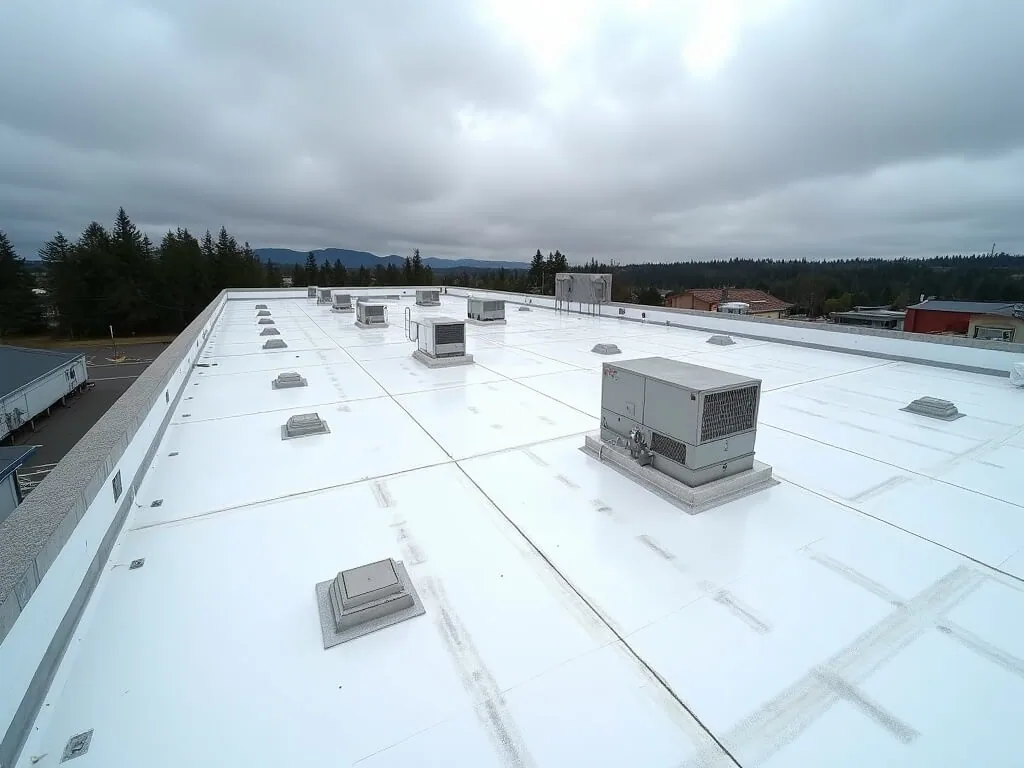
Temescal Valley
Check the receiving membrane on a Temescal Valley commercial building before agreeing to coat it. Inspect a prepared test area, check the adjoining seam and record the surface condition. The first pass should establish what the proposed material would bond to and what repairs it needs beneath the finish. We examine commercial roofs, explain those preparation steps and compare repair, restoration or replacement where the building evidence supports them.
Temescal Valley follows the Interstate 15 corridor south of Corona, CA and lies beside the Santa Ana Mountains. Its relationship to Corona and Lake Mathews helps locate the requested property, while the actual premises determine entry, work limits and review authority. Start with the roof section in question and the contact who can approve examination. A broader construction decision follows the installed layers and details found there.
Request a Roof Assessment
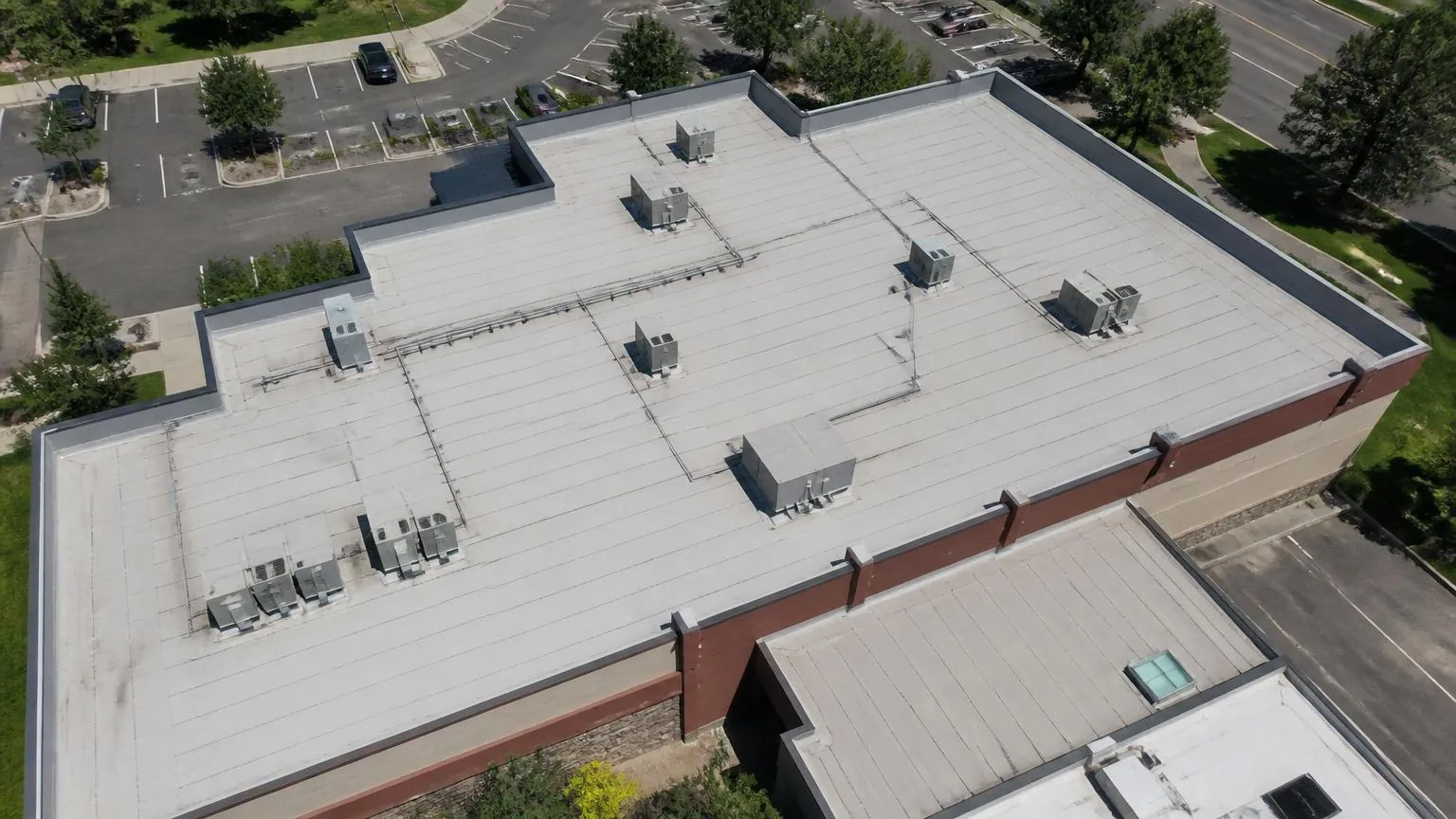
Examine the surface under the proposed coating
Weathering and earlier treatments can leave a finish unsuitable for another application. Identify the existing material, contamination and condition before selecting a cleaning method. Inspect splits, seams and penetration details rather than expecting the finish to bridge unresolved construction defects. Product-specific preparation and adhesion checks establish the receiver required for the chosen system. If loose or incompatible material must come off, measure that work separately.
Roof restoration with recorded surface preparation should state the repairs, cleaning, testing and application included. Account for concealed wet construction where investigation identifies it. A coating is part of a suitable roof assembly, not a substitute for damaged support or a drainage redesign. Keep those supporting corrections visible when comparing the restoration scope with a larger removal option.
Retain the test locations and results with the proposed work. Different finishes or exposure can require another test area rather than a single result applied to the entire roof. Describe any further preparation needed and the condition required before application. This gives the owner a concrete basis for deciding whether the roof is ready for the selected treatment.
Request a Roof Assessment
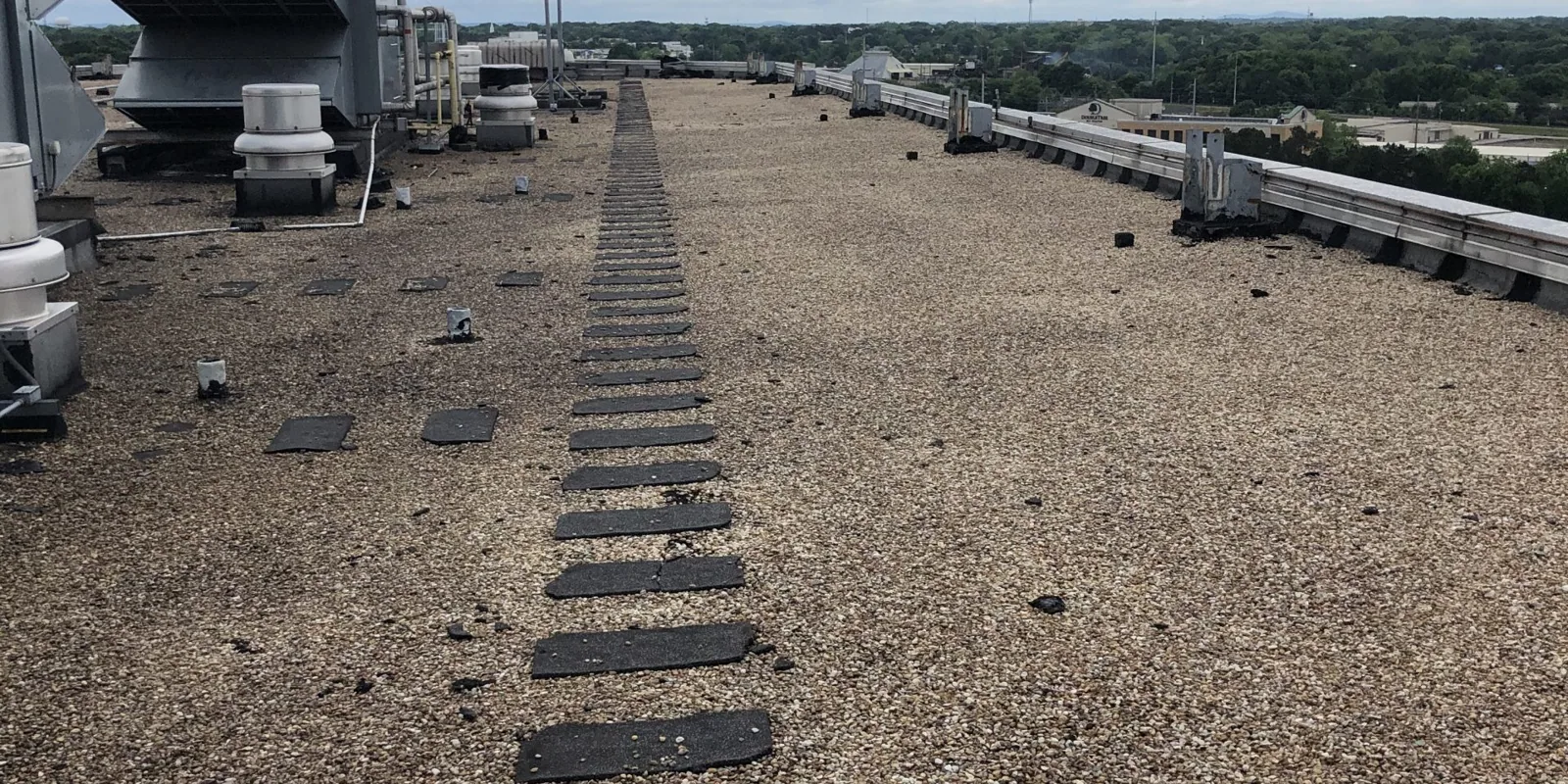
Set the application period from measured conditions
Temescal Valley has hot summers and cooler-season rain. For roofing application, measure the exposed surface and review moisture, wind and the requirements of the selected product. A shaded work area and a sunlit membrane can present different conditions on the same visit. Adhesive preparation, curing and joining steps need their own suitable conditions. Put those checks ahead of the application rather than treating the requested start time as permission to proceed.
A silicone coating selected for the examined assembly still needs the manufacturer's preparation and application requirements met. An acrylic system has its own suitability and moisture considerations. We compare systems with the existing roof, drainage and working conditions rather than choosing from a color alone. Explain the reason for any hold or revised phase and the protection required while the receiving surface is being prepared.
Request a Roof Assessment
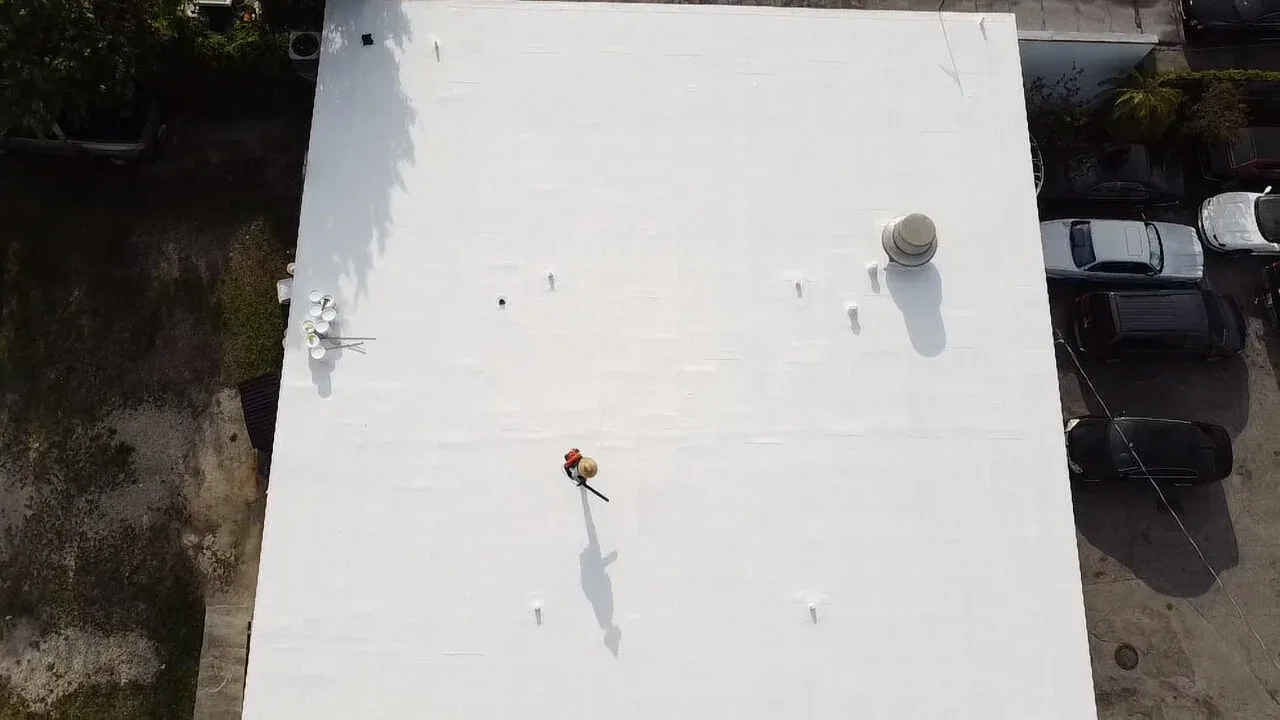
Measure a low area before changing its shape
Water staining and collected debris help locate an area for closer examination. Inspect the outlet, surrounding flashing and visible slope. Remove an observed obstruction where that task is appropriate, then distinguish it from a construction problem. Persistent low areas require measurements and review of the water path. An added finish cannot correct the underlying geometry just because the surface looks continuous after application.
A proposed drainage correction needs consideration of support, finished levels and discharge. Tapered insulation can change wall and curb clearances and the connection at an outlet. Concealed piping or capacity concerns require the qualified participant responsible for that system. Establish those decisions before pricing the roof-level construction, showing which measurements are complete and which design or access question remains.
Request a Roof Assessment
Service Areas
Related Commercial Roofing in Corona
Other services, systems and buildings that often come up alongside this work.
Roof Systems
Commercial Roof Systems We Work With
Single-ply, built-up, metal and coating systems we install and repair across Corona:
TPO Roofing
Corona TPO roofing reviews the complete assembly, compatible welded details and suitable installation checks before defining the work sequence.
PVC Roofing
Corona PVC roofing reviews product-specific exposure, complete assembly requirements and compatible welded details before planning the roof work.
EPDM Roofing
Corona EPDM roofing reviews rubber membrane condition, compatible seam procedures and complete supporting requirements before planning the work.
KEE Roofing
Corona KEE roofing reviews the selected membrane, actual exposure and complete construction before coordinating suitable preparation and details.
Modified Bitumen Roofing
Corona modified bitumen roofing reviews layered construction, suitable application methods and actual facility.
Built-Up Roofing
Corona built-up roofing examines layered construction, suitable repair connections and application controls before defining the complete work.
Need Help With a
Commercial Roof?
Find the boundary of retained and removed work
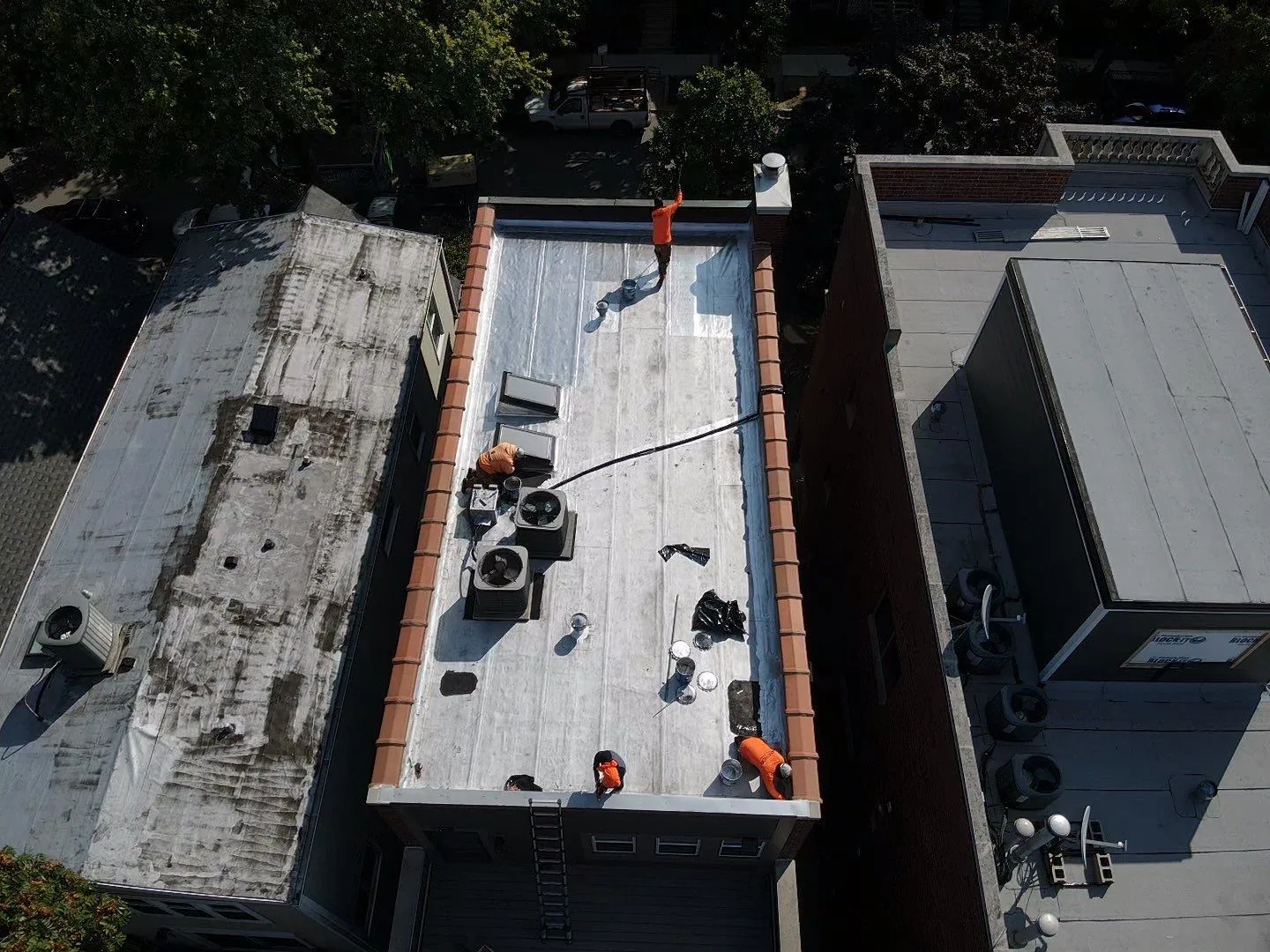
Where roof moisture or backing condition is uncertain, select investigation that can answer the construction question. Discuss authorization for an opening and how it will be closed. Record the layers and findings at that location. Temperature surveying can help direct confirmation, but its interpreted patterns alone do not establish a removal quantity. Evidence for the proposed area must support the boundary drawn on the work sketch.
Recover construction assessed against the retained roof requires review of condition, layers, loads, attachment and finished details. Existing wet or unsuitable construction can change its eligibility. A replacement scope identifies removal and receiving work instead. Compare these complete tasks with a localized repair, preserving any additional examination or approval needed before a conditional alternative becomes a construction instruction.
Request a Roof Assessment
Arrange handling and the project review
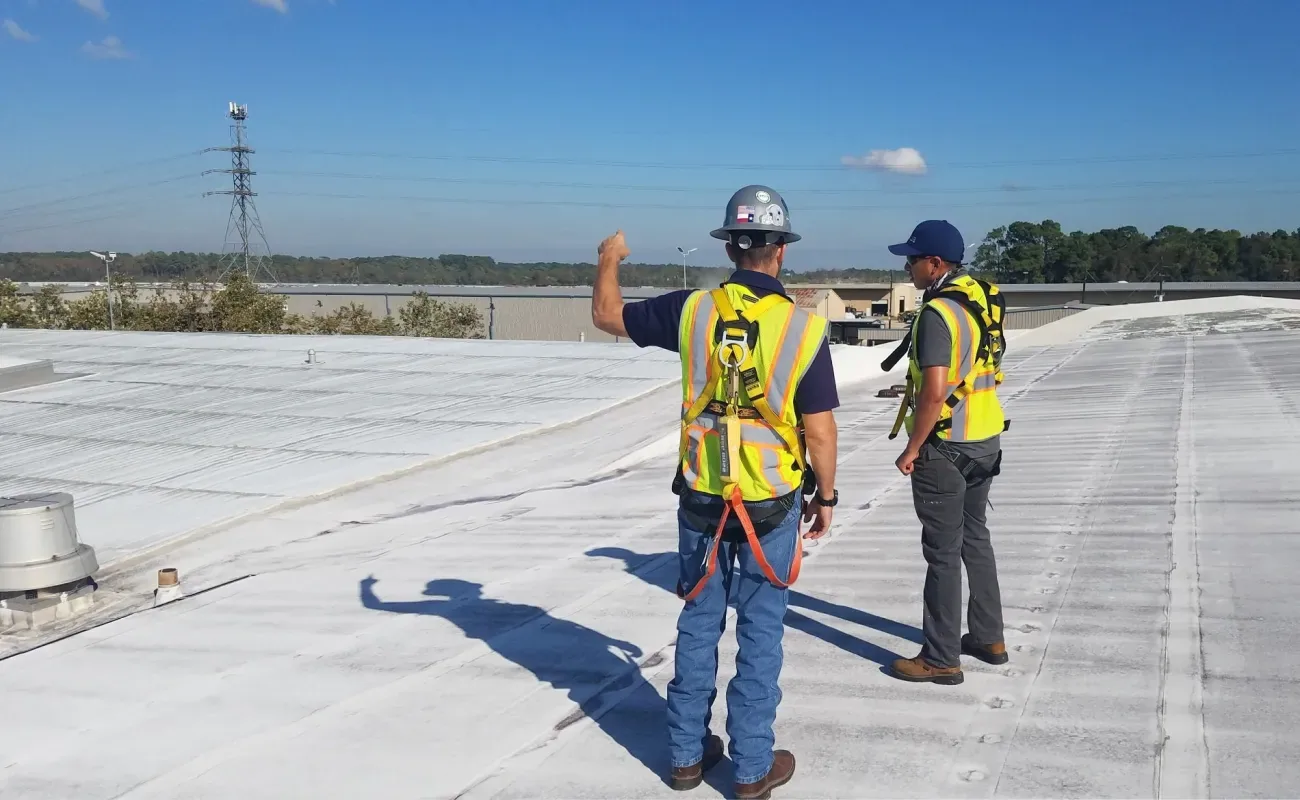
Confirm an unloading position and material path that the building representative can approve. Review suitable support for storage and lifting, with protection for occupied areas and ground access. Set the removal boundary to match the permitted receiving work and protection. Where equipment or ventilation may be affected, obtain the facility decision and qualified trade approval for the precautions actually proposed.
Temescal Valley's mountain setting makes address-specific review necessary for any applicable wildland-interface requirements. Establish the designated authority, actual location and roofing scope rather than assigning a requirement from a regional description. Applicable energy provisions also need review of the project basis, compliance approach and exceptions. Keep the accepted requirements with the selected assembly and attachment details.
A visit at Lake Elsinore uses that property's operating contact and project review. Work at South Corona has its own entrances and roofing limits. Carry the actual property information through the estimate and delivery instructions so district names do not replace the details needed to perform the assigned task.
Request a Roof Assessment
Keep preparation evidence through the closeout walk
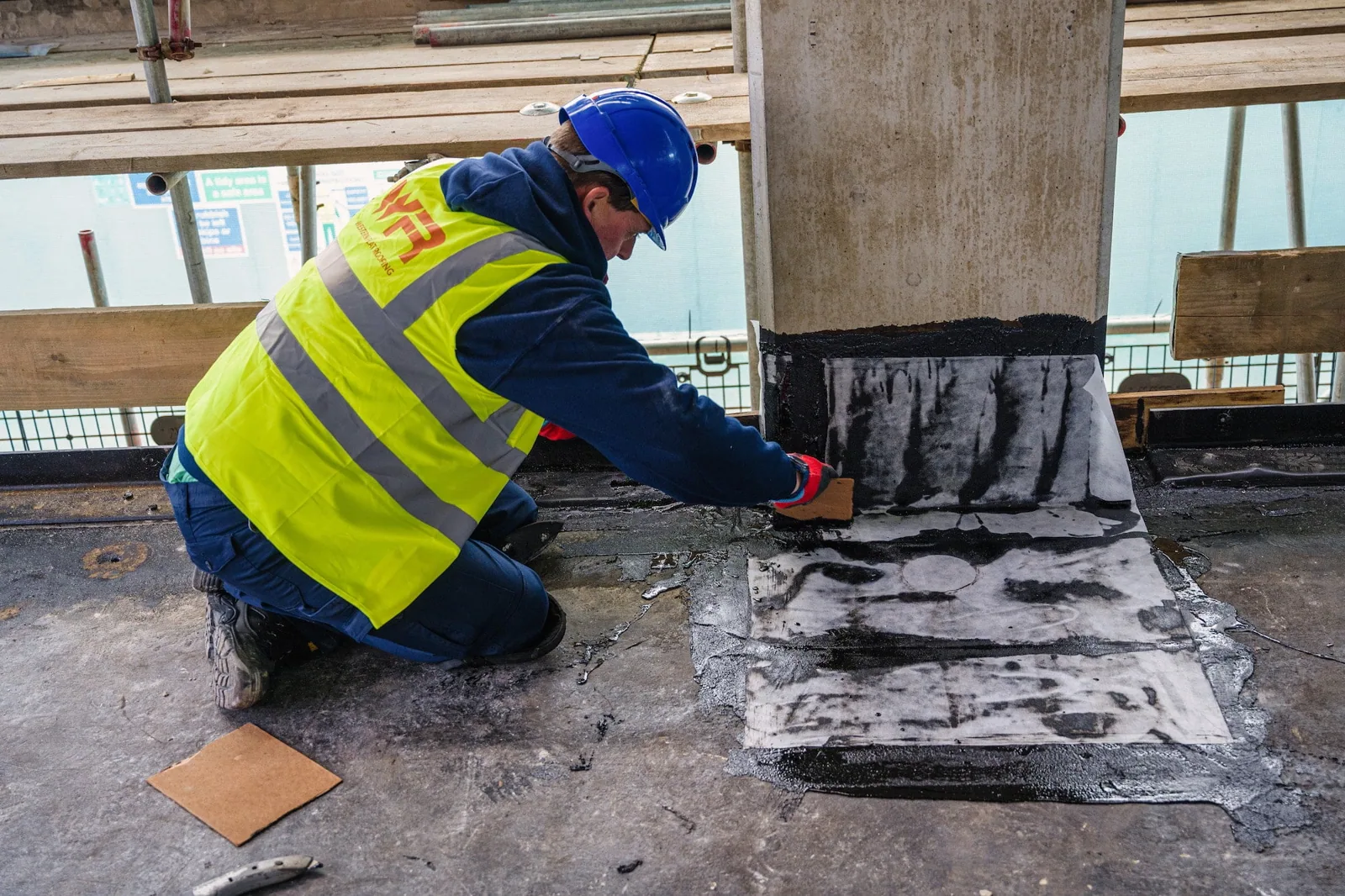
Preparation can disappear beneath the completed finish. Photograph repaired details and receiving conditions at recognizable roof positions before covering them. Retain installed products, required application checks and accepted changes. At closeout, compare the completed scope with those records and locate anything unfinished. The owner should know which item is roofing work, which needs another participant and who arranges the next step.
Urgent roof concerns can be reported at any hour, including holidays. Tell us the interior location and the access or hazard that affects examination. Conditions at the building govern safe protection and any temporary repair. Record the permanent detail still needed and the follow-up investigation, without treating temporary stabilization as acceptance of a complete restoration.
Use the completed roof references for later maintenance. Record a new equipment opening or service repair against its position, including the materials used. That history helps the next examination distinguish accepted restoration work from a detail changed afterward.
Temescal Valley properties can sit along a long corridor with different routes, elevations and nearby jurisdictions. Confirm the building's actual address and responsible contact before assigning a service area or inspection record. Roof access may not follow the most direct road approach, so verify gates, staging and lifting positions with the property team. Locate each leak report by structure and check how slopes, outlets and adjoining walls direct water through the assembly. For sites with more than one roof level, show each section and tie-in separately. That gives the owner a repair scope based on the building, not on the valley's general geography.
Request a Roof Assessment
Begin a Temescal Valley Roof Assessment
Provide the building address and surface or water concern. We can walk the accessible roof and return the preparation, correction and project decisions in order.
Questions
Temescal Valley: Common Questions
Test the prepared receiving surface for the selected system. Record the location and any correction needed before broader application is approved.
The roof geometry requires its own assessment. Measure the water path and review slope or discharge changes before pricing those corrections.
Confirm the actual address designation and reviewing authority. Applicable requirements follow the premises and project, with relevant exceptions reviewed.
After retained condition and construction details have been examined. Keep loads, attachment, finished heights and unresolved evidence in that comparison.