
Modified Bitumen Roofing in Corona, CA
Modified Bitumen Roofing
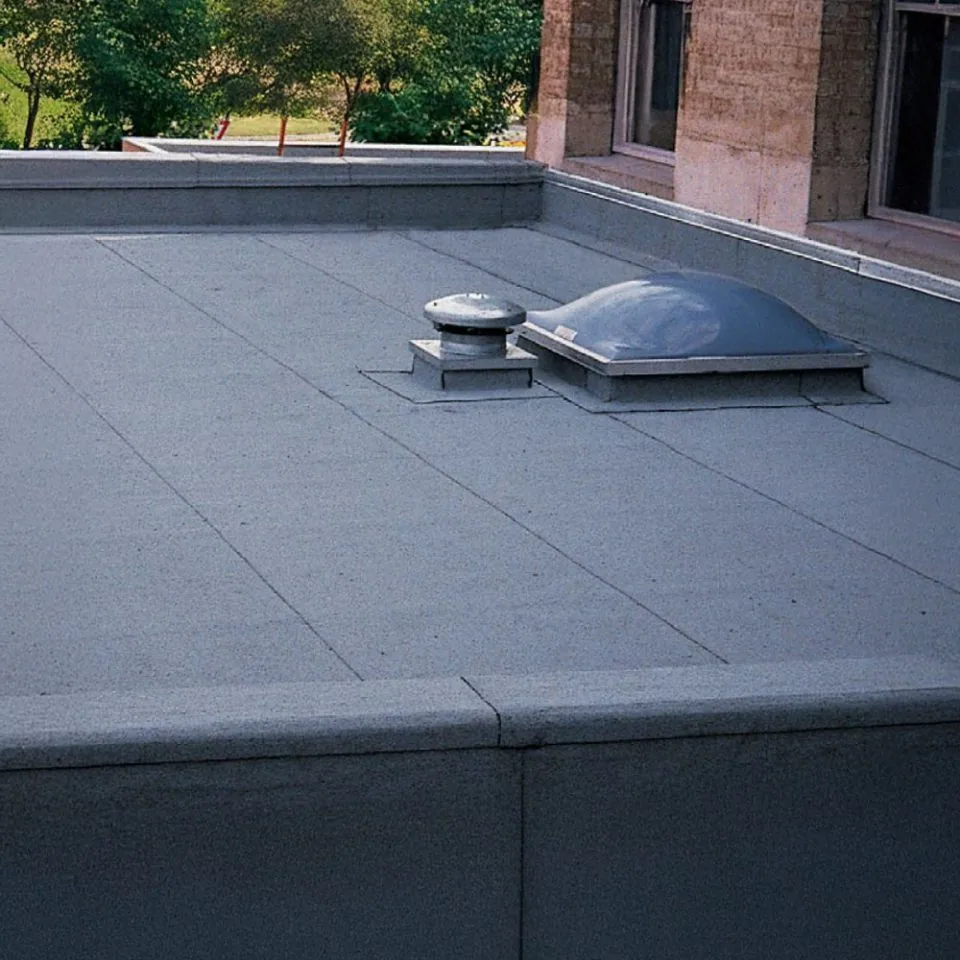
Locate the layered membrane repair on a Corona commercial roof drawing, then examine its receiving material before choosing the application method. Identify the accessible sheet and prior treatment, and photograph the relevant lap or opening. That step gives the owner a suitable preparation question before a generic bituminous-roof label is used to select heat, adhesive or another procedure.
Modified bitumen roofing in Corona, CA uses specified bituminous sheets within a complete assembly. Products, surfacing and methods vary. We review the actual construction and explain supporting layers, compatible details and applicable checks in order. The owner receives a usable installation proposal, with any concealed-condition or operating question kept ahead of the work that depends on it.
Compare the sheet sequence with a specified built-up assembly. For a PVC construction alternative, identify the changed membrane and joining process. Develop the operating and preparation tasks for the selected method, then place those provisions beside its material quantity before the owner reviews the complete installation expense.
Request a Roof Assessment
Identify the existing layers and reported concern
Review installation history and previous repairs where available. Examine accessible field areas, laps, penetrations and perimeter connections. A granulated surface does not establish every concealed layer or its condition. Suitable authorized investigation may be needed where the proposed work depends on retained construction.
Our roof findings review records accessible coverage and limitations. Keep sampled information local and the remaining extent question visible. Thermal observations need suitable conditions, interpretation and appropriate confirmation where relied on. The owner can then arrange a useful next check before selecting retention or removal from an assumed hidden assembly.
Request a Roof Assessment
Select the application method through the actual product
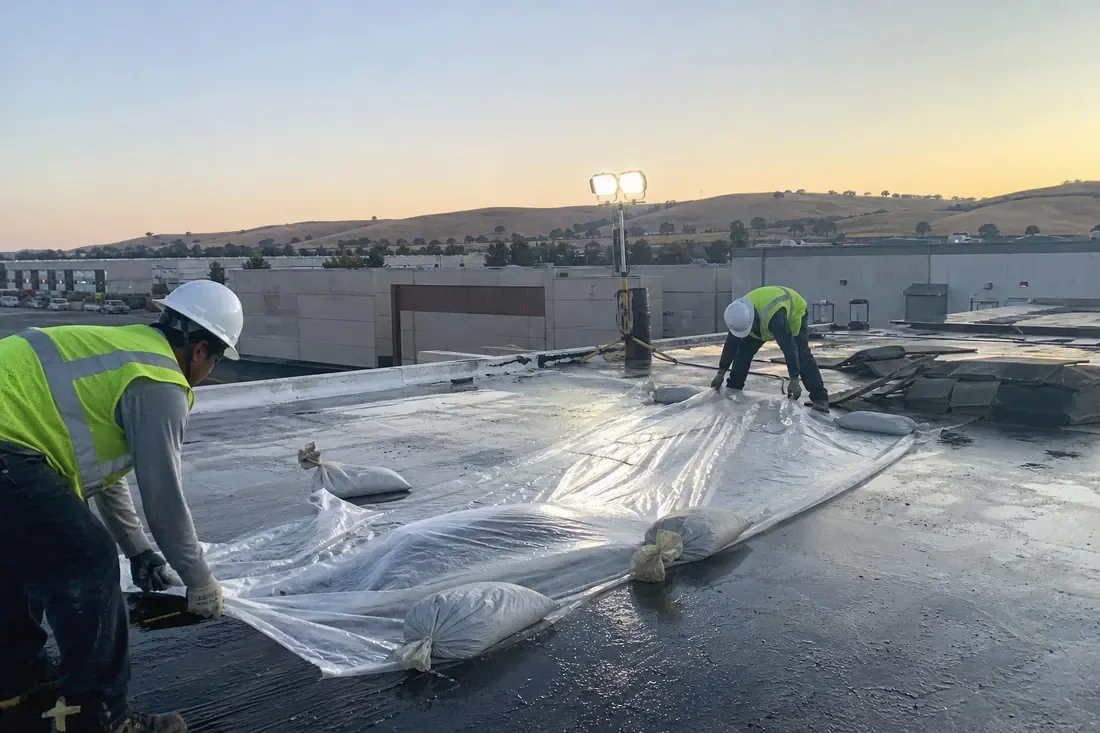
Review selected system instructions for the specified sheets and components. Self-adhered, cold-applied and heat-related methods have different preparation, conditions and controls. They should not be treated as interchangeable because the material family is the same. The complete proposal needs the actual procedure and supporting construction.
Our facility sequencing connects that method with affected activities. Qualified personnel establish necessary equipment or operating controls within their responsibilities. Where the method involves heat or another particular hazard, resolve applicable safeguards and authorization before scheduling. The owner should receive the assigned task and coordinated period rather than a general assurance that every building use can continue unchanged.
Identify who confirms readiness for each preceding step and which information is needed before application. If a method changes during planning, review its consequence for preparation, related equipment and approvals. Keep the revised procedure with the selected system. A construction appointment should rely on those actual arrangements rather than an assumed routine for all layered roofs.
Request a Roof Assessment
Review supporting components and finished geometry
Specify the sheets with their suitable deck, insulation, cover board and attachment where applicable. The complete assembly and relevant project requirements establish the intended arrangement. A top layer does not address a deficient or unidentified base beneath it. Qualified professionals review supporting questions where necessary.
Our layer preparation planning describes component roles and relevant retained-condition questions. Compare the intended build-up with curbs, outlets and access thresholds. A change to thickness can affect the usable detail. The owner should see those interface tasks alongside field installation before materials are ordered or the new construction depends on unverified geometry.
Request a Roof Assessment
Roof Systems
Related Commercial Roofing in Corona
Other services, systems and buildings that often come up alongside this work.
Roof Systems
Commercial Roof Systems We Work With
Single-ply, built-up, metal and coating systems we install and repair across Corona:
TPO Roofing
Corona TPO roofing reviews the complete assembly, compatible welded details and suitable installation checks before defining the work sequence.
PVC Roofing
Corona PVC roofing reviews product-specific exposure, complete assembly requirements and compatible welded details before planning the roof work.
EPDM Roofing
Corona EPDM roofing reviews rubber membrane condition, compatible seam procedures and complete supporting requirements before planning the work.
KEE Roofing
Corona KEE roofing reviews the selected membrane, actual exposure and complete construction before coordinating suitable preparation and details.
Modified Bitumen Roofing
Corona modified bitumen roofing reviews layered construction, suitable application methods and actual facility.
Built-Up Roofing
Corona built-up roofing examines layered construction, suitable repair connections and application controls before defining the complete work.
Need Help With a
Commercial Roof?
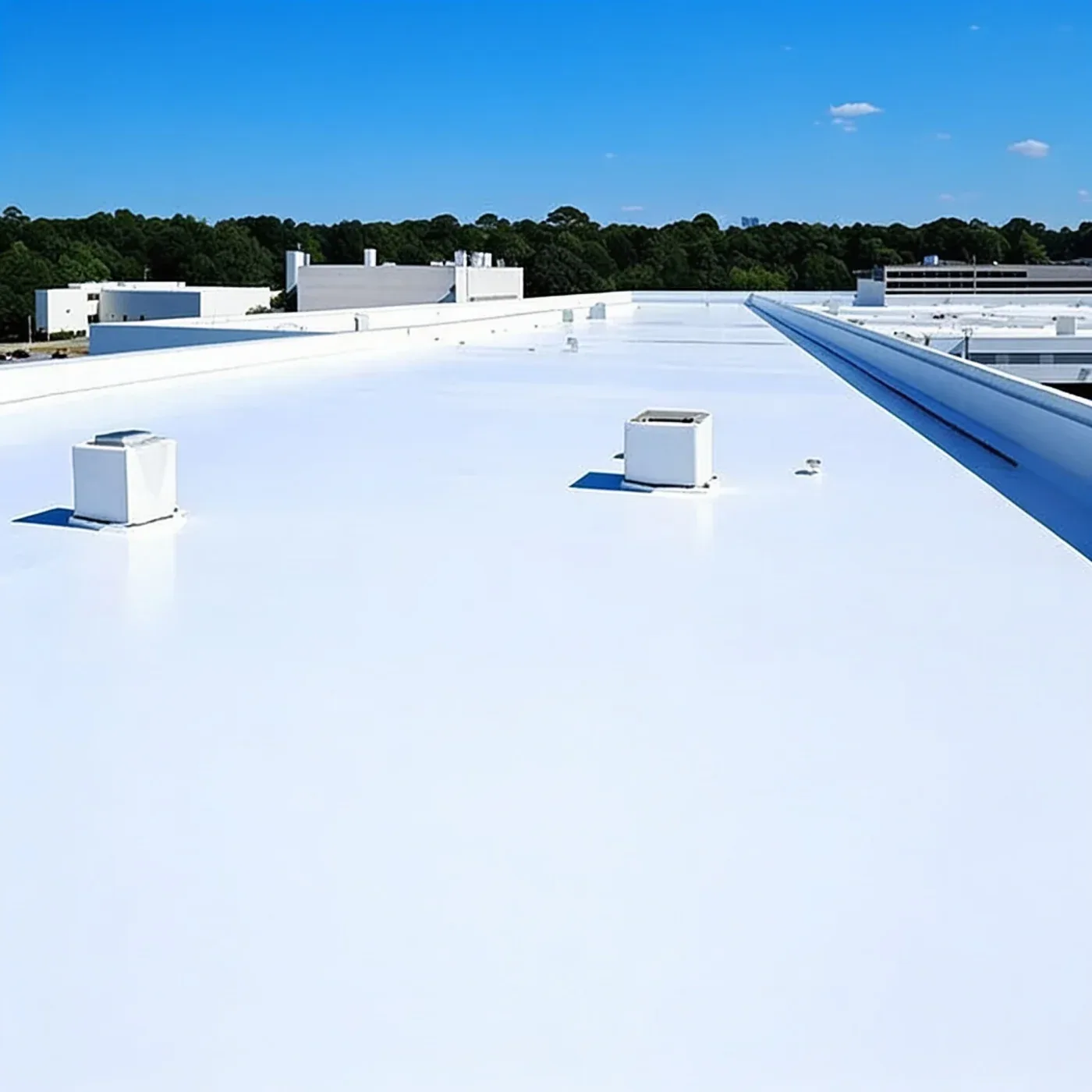
Define a supported local correction
Examine the defect and adjoining material before selecting compatible preparation and components. Our repair scoping identifies the useful correction boundary and relevant checks. A cracked lap or damaged surface may need another investigation before its cause or full extent can be established. Keep that question separate from the observation.
Where reported water is involved, suitable source examination may include other roof or building interfaces. Proximity to the visible defect does not prove every interior drip came through it. The owner should receive the finding supporting the correction and the next task needed where another source remains uncertain. A local repair is not automatic evidence that the entire layered assembly is serviceable.
Request a Roof Assessment
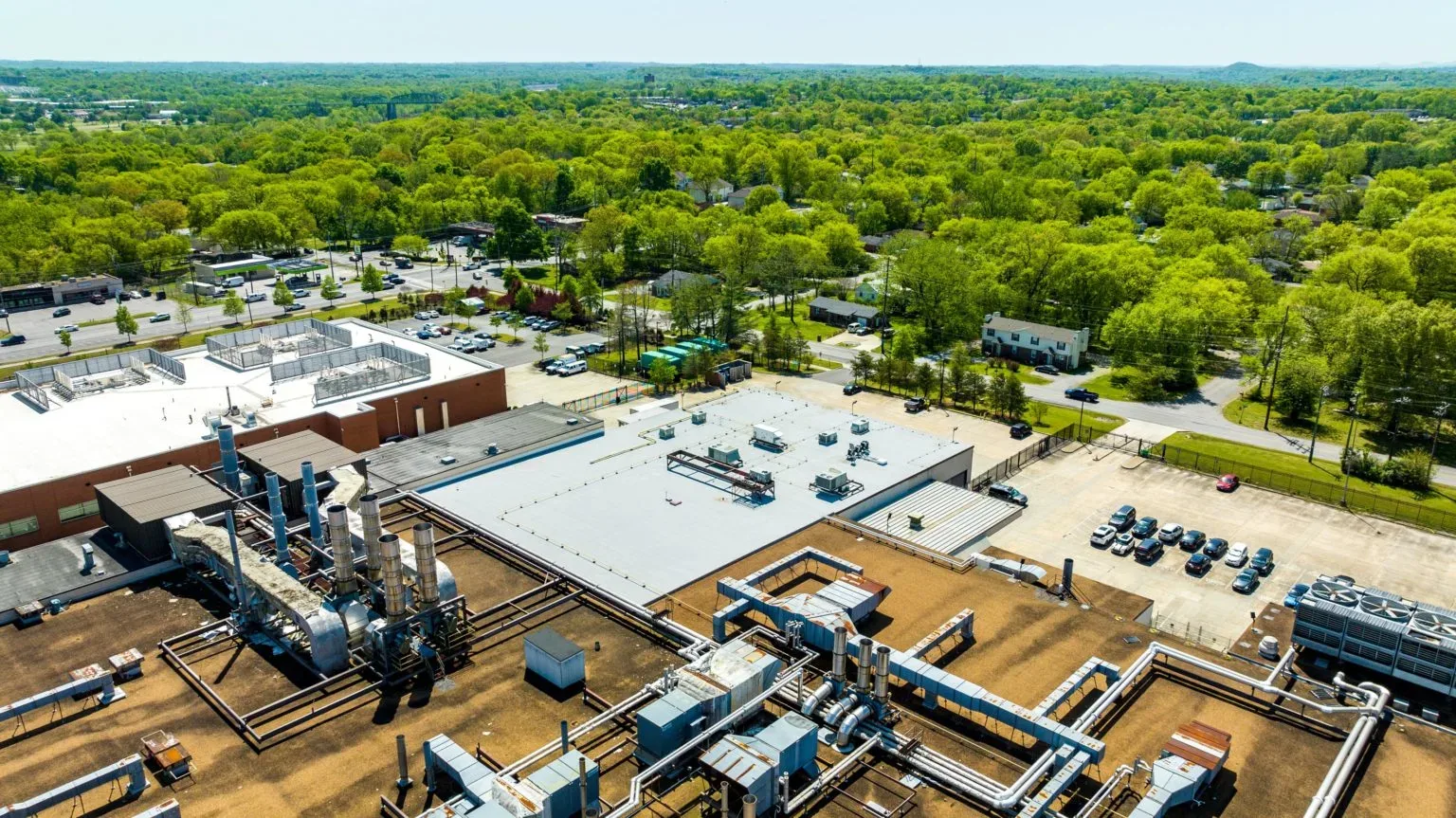
Construct openings and outlets through compatible details
Our detail coordination reviews actual geometry and suitable selected components at openings. Identify necessary equipment or wall tasks before the roofing connection relies on them. Keep trade contacts and required information in the sequence. The owner can arrange a usable handoff rather than leaving another interface unresolved at application.
Our drainage review connects outlet concerns with roof-side correction and related assessment. The new membrane does not establish suitable water routing simply by covering the field. Review relevant finished heights and design information before relying on the proposed arrangement. Retain approved detail changes at the same roof references as the original observations. Identify which dimension or component changed, who reviewed it and the task that follows before application relies on the revised connection.
Request a Roof Assessment
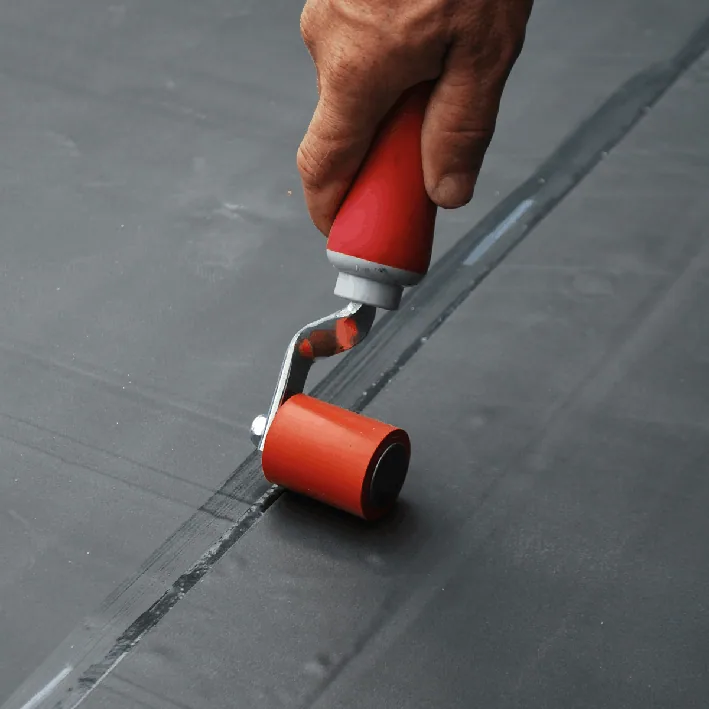
Coordinate local conditions and the project basis
Corona's summer heat and cooler-season rain inform planning. Current substrate observations and selected product limits establish the application task that is ready. Regional Santa Ana conditions may affect access and handling. Review the method directly rather than assigning one fixed daily start or preparation rule from the local climate.
At a Norco property, obtain actual receiving and equipment arrangements. A Chino building needs its own access instructions. Resolve the relevant authority and accepted submission before procurement. For Corona municipal projects, the adopted 2025 CBC and amendments form part of that review, alongside applicable energy requirements, suitable compliance alternatives and exceptions for the actual scope.
Request a Roof Assessment
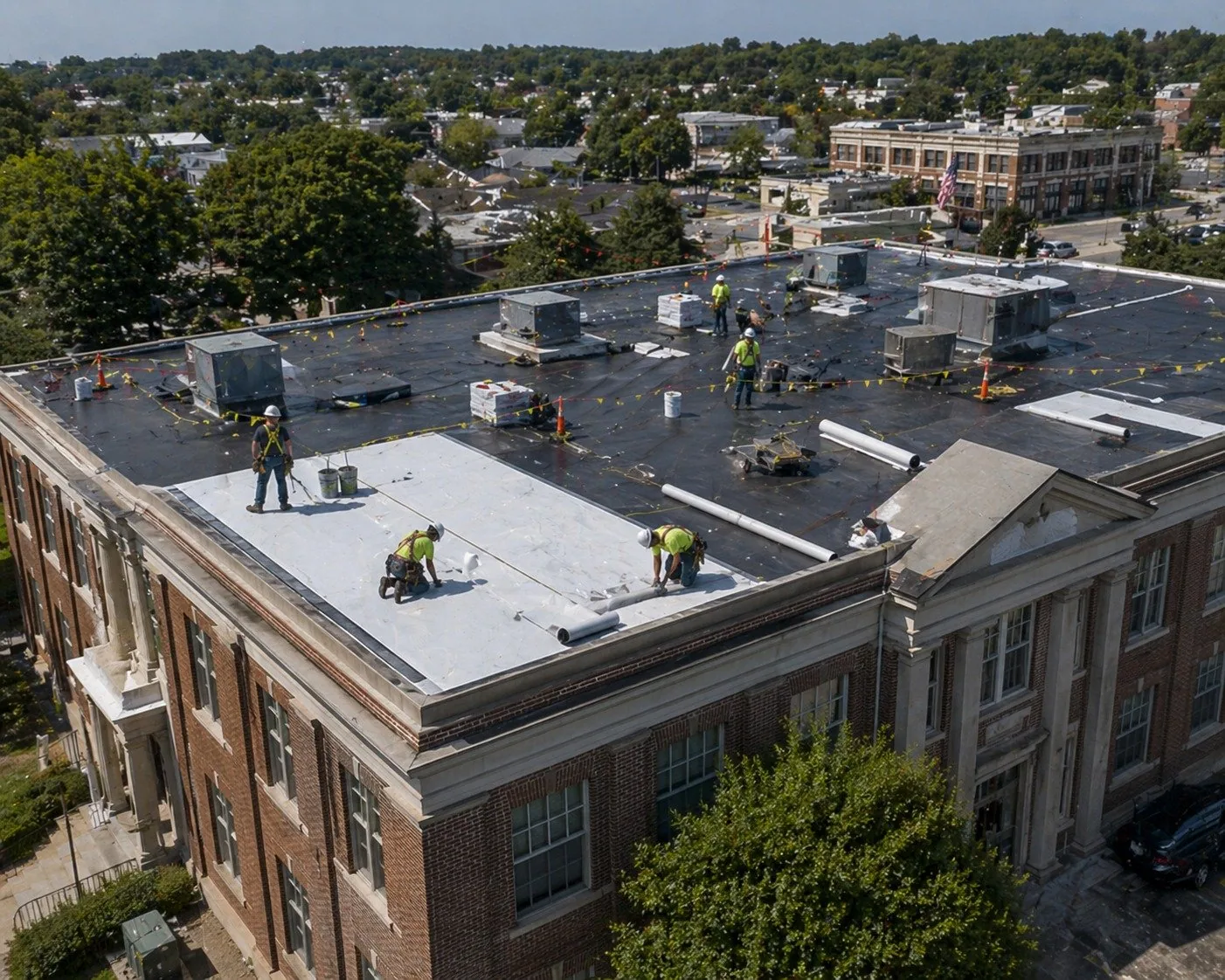
Retain the constructed layers and next service tasks
At turnover, identify the selected sheets and components at their constructed roof areas, with the appropriate completion checks and authorized revisions. Locate unfinished items and assign the person responsible for their next step. Manufacturer and workmanship terms need review through their actual documents. The owner should receive a located construction account rather than a general lifespan statement based solely on the product family.
Our maintenance coordination can organize accessible examination around the completed assembly. Record later equipment work and fresh observations at consistent references. A renewed interior drip needs suitable source review, with its information preserved separately from the earlier correction. The next task can then use the actual evidence and known materials.
Keep applicable product information available before another treatment or repair changes the surface. Compatibility, preparation and document requirements may matter to that alteration. The owner can arrange the appropriate review and access from the completed file, rather than allowing a future method to be selected from appearance alone.
Modified-bitumen repairs need a boundary that accounts for the surfacing and the sheet layers beneath it. Record whether the area is granulated, coated or otherwise treated, then identify the method needed to expose and prepare a sound tie-in. Check laps, flashings and underlying substrate where accessible; a surface split may extend beyond the visible opening. If heat is part of the approved method, include the applicable fire controls and property requirements before scheduling that operation. Keep any concealed-layer uncertainty separate from confirmed removal quantities.
Request a Roof Assessment
Begin with the layered construction and an ordered roof walk
Share the address, roof records and operating requirements. We will review the modified bitumen proposal and provide an ordered account of suitable preparation, method controls and the next detail task needed.
Questions
Modified Bitumen Roofing: Common Questions
Use the actual selected system requirements for its components. Methods have their own preparation and controls. Establish the complete procedure before scheduling the work.
Resolve relevant safeguards, authorization and operating coordination with responsible personnel. Keep the assigned tasks in the sequence. The roof method needs those actual arrangements before it proceeds.
Review available construction information and suitable investigation where needed. Keep local findings within their coverage. The proposal should show remaining hidden questions before relying on retained material.
Assess actual geometry and the relevant outlet arrangement. Define suitable detail or related work. Field application should not replace the usable basis for the completed water route.
Keep the installed sheet and component information beside the repaired or rebuilt roof reference, including its relevant checks. Record subsequent work as a dated change. A later correction can then use the actual layered construction to review suitable preparation and compatibility.