Commercial Roofing for Logistics and 3PL Operators in Corona, CA
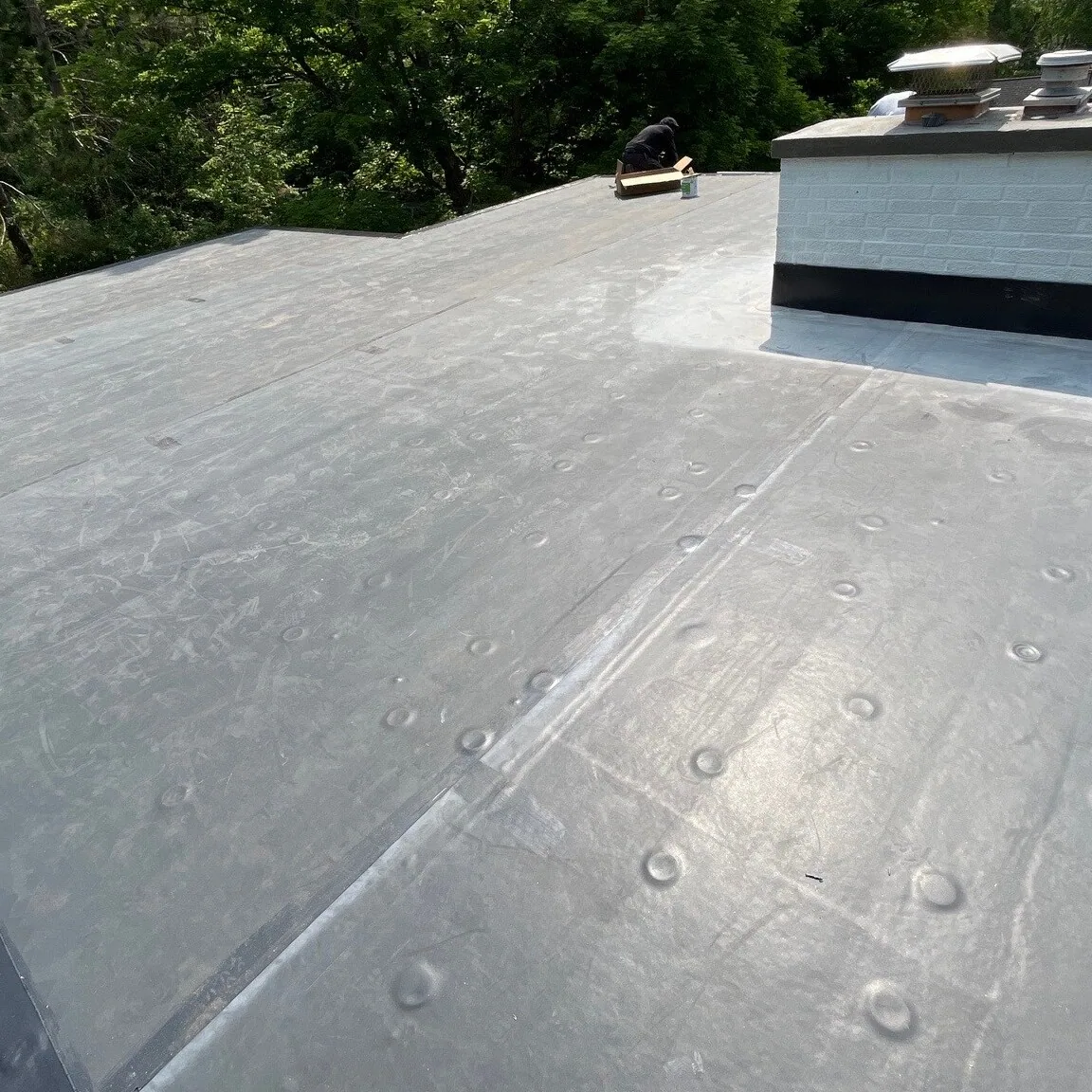
Logistics and 3PL Operators
Beside a roof outlet above a Corona distribution floor, locate the reported interior concern before deciding how much construction to open. Staff may identify a rack aisle while the roof drawing uses another reference. Match those positions and examine the accessible water routes and connections. That first task tells the logistics operator where the investigation belongs and which activity needs coordination before a roof phase is booked.
Commercial Roofers of Corona helps logistics and third-party distribution operators put roof work into a usable sequence. We distinguish findings that support a defined repair from information still needed for a larger option. Receiving restrictions, transfer methods and closing provisions accompany the construction quantity. The owner can review a complete task while the operator identifies the arrangements necessary for that work above the active floor.
Request a Roof Assessment
Match floor reports with roof positions
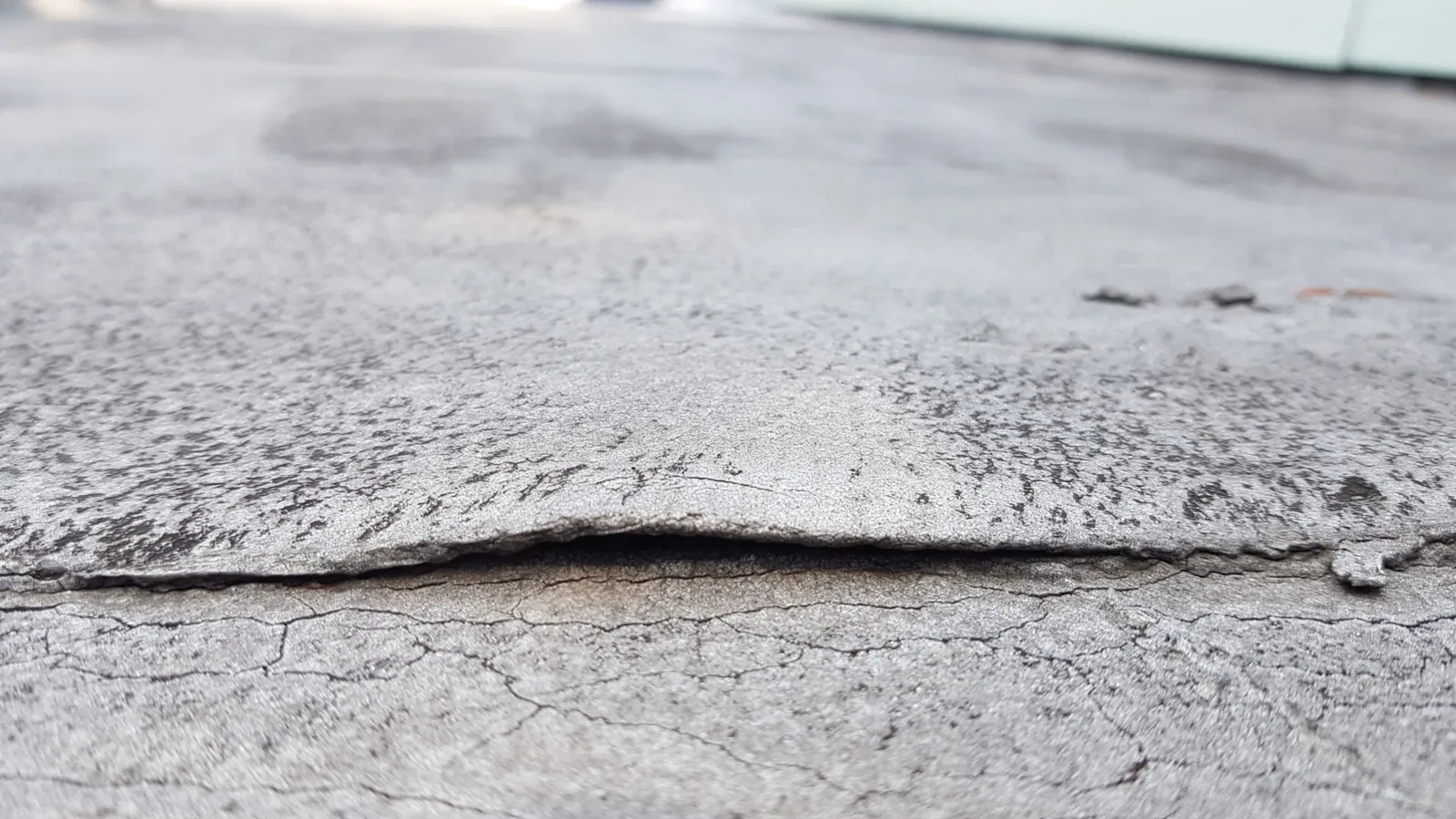
Ask the reporting contact for the occurrence time, interior location and equipment or service changes relevant to that area. Mark the position on a drawing that the facility team can use again. A ceiling mark does not always sit below the exterior entry. Water can travel along concealed construction, and an equipment or enclosure issue may require another participant. Record the accessible findings without turning an assumed path into an established repair quantity.
A located logistics roof leak investigation follows those references to roofing and adjoining interfaces. Identify the correction supported by what is examined and the purpose of any further access. If the facility has recorded a later occurrence, retain its circumstances separately. The next examination should compare that event with the earlier findings and intervening work rather than treat every report in one aisle as the same unresolved roof opening.
Request a Roof Assessment
Confirm the receiving route at the actual premises
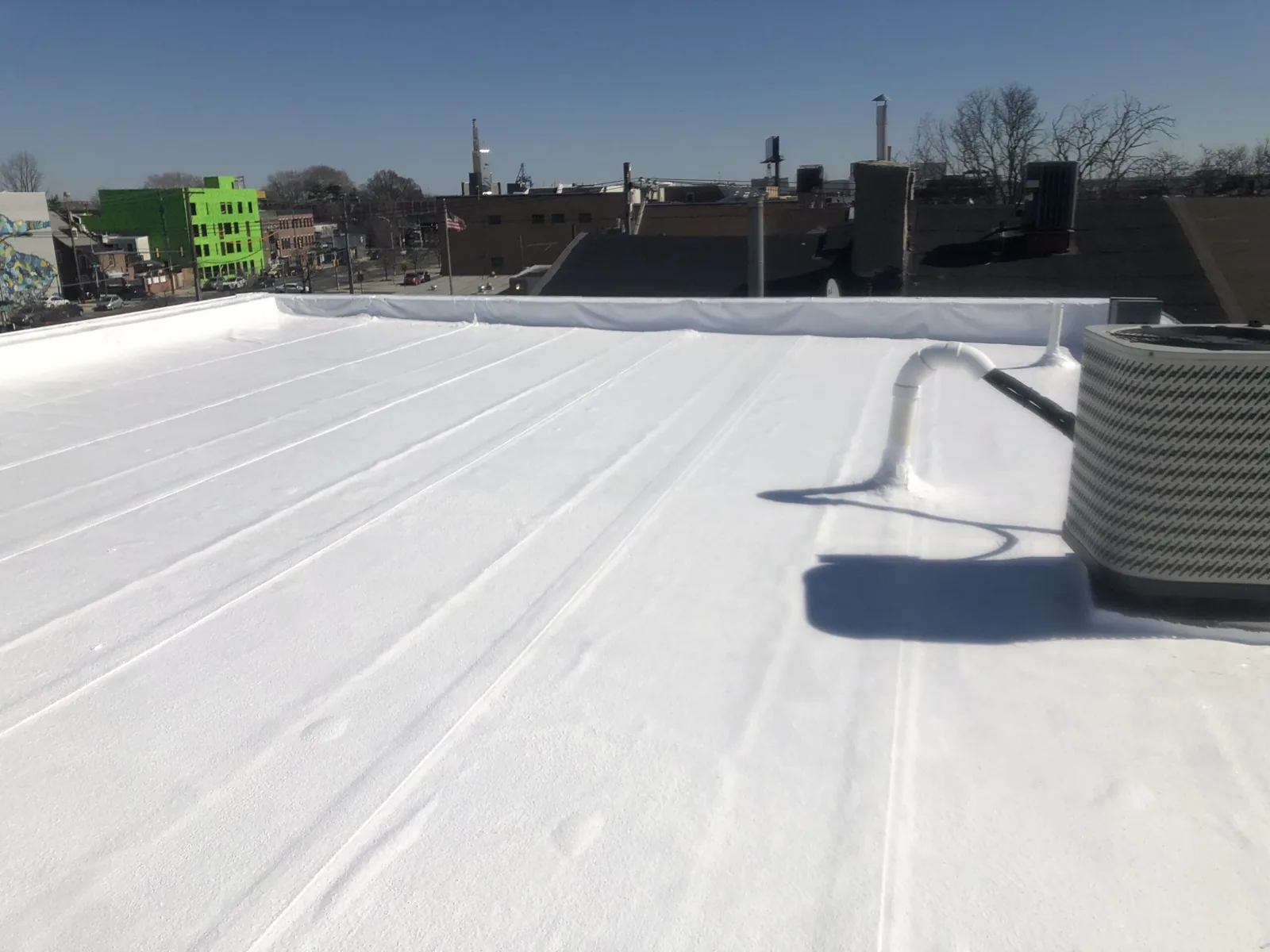
For an assignment in Rincon Corona Industrial Park, walk the proposed unloading and roof-transfer arrangement with the responsible operator. Identify delivery traffic, waste movement and equipment positions involved in the roof task. An available dock may serve ordinary shipments without being the position accepted for construction handling. Confirm the method and any supporting load review before the owner relies on a delivery date.
Work along Railroad Street and Sampson Avenue needs the same property-specific coordination. Retain the accepted route beside the roof reference for that building. If a smaller delivery or an extra transfer is necessary, state its purpose and effect on the amount. Another building's receiving arrangement is useful planning experience, but the assigned operator still approves the entrances and operating provisions used on this premises.
Request a Roof Assessment
Set the open section from protection and closure
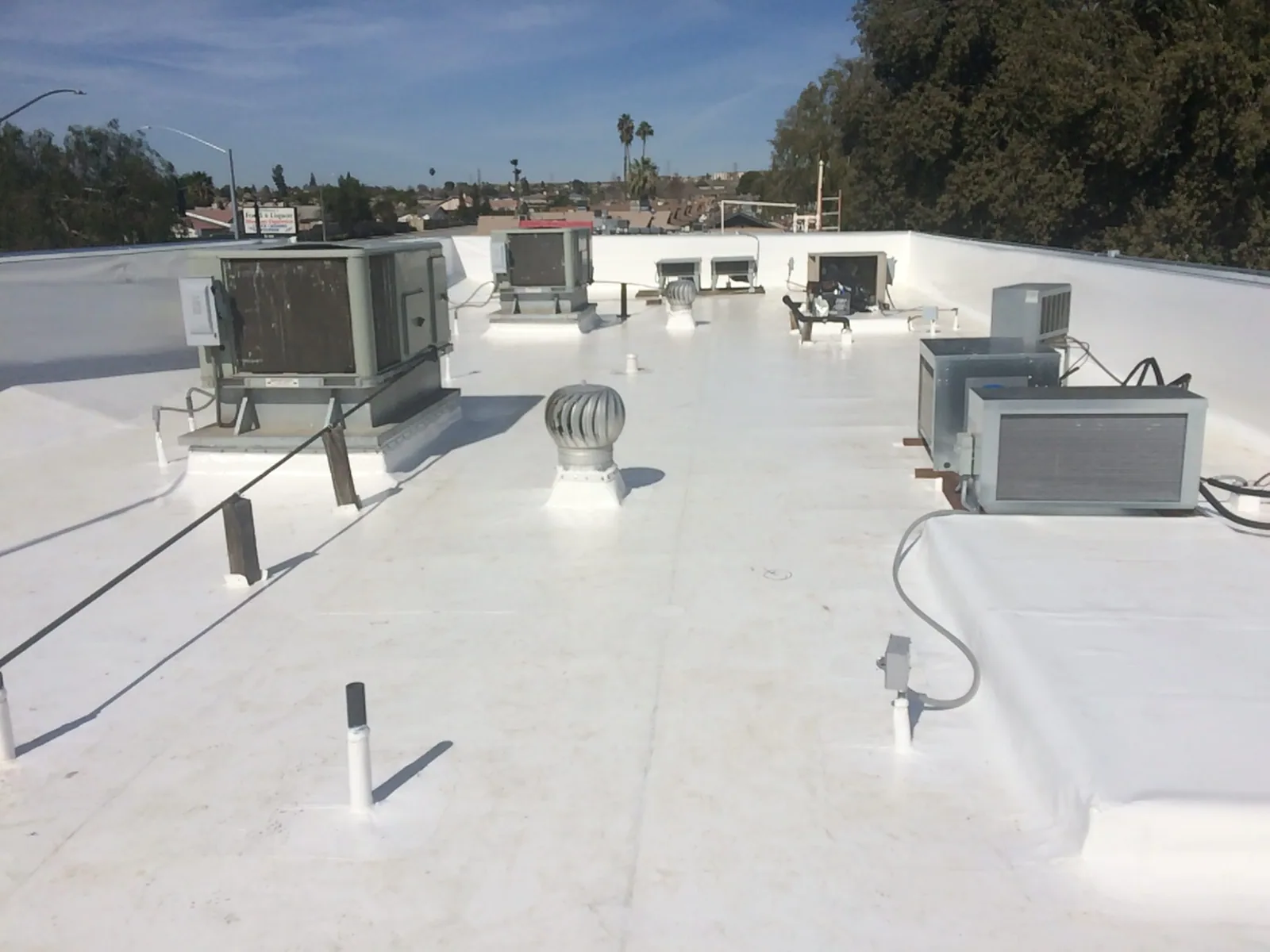
Define the proposed tear-off section and how it will be protected and closed under the accepted method. Discuss affected floor activity with the facility team. The operator determines the necessary arrangements for inventory and equipment; roofing provides the construction footprint and timing. Qualified service trades review equipment measures appropriate to their installations. The phase should connect those responsibilities before another area is opened above active distribution work.
Occupied-building roof sequencing accounts for the actual approved operating period. Shorter periods can require repeated setup or different section sizes. Measure those practical provisions with the construction they support. Recheck the phase when current wind, receiving conditions or an exposed finding changes the original method. Keep the authorized contact available for that decision so the crew has a route to approval rather than an assumption that a booked period permits every revised task.
Request a Roof Assessment
Industries We Serve
Related Commercial Roofing in Corona
Other services, systems and buildings that often come up alongside this work.
Roof Systems
Commercial Roof Systems We Work With
Single-ply, built-up, metal and coating systems we install and repair across Corona:
TPO Roofing
Corona TPO roofing reviews the complete assembly, compatible welded details and suitable installation checks before defining the work sequence.
PVC Roofing
Corona PVC roofing reviews product-specific exposure, complete assembly requirements and compatible welded details before planning the roof work.
EPDM Roofing
Corona EPDM roofing reviews rubber membrane condition, compatible seam procedures and complete supporting requirements before planning the work.
KEE Roofing
Corona KEE roofing reviews the selected membrane, actual exposure and complete construction before coordinating suitable preparation and details.
Modified Bitumen Roofing
Corona modified bitumen roofing reviews layered construction, suitable application methods and actual facility.
Built-Up Roofing
Corona built-up roofing examines layered construction, suitable repair connections and application controls before defining the complete work.
Need Help With a
Commercial Roof?
Follow the outlet and adjoining construction
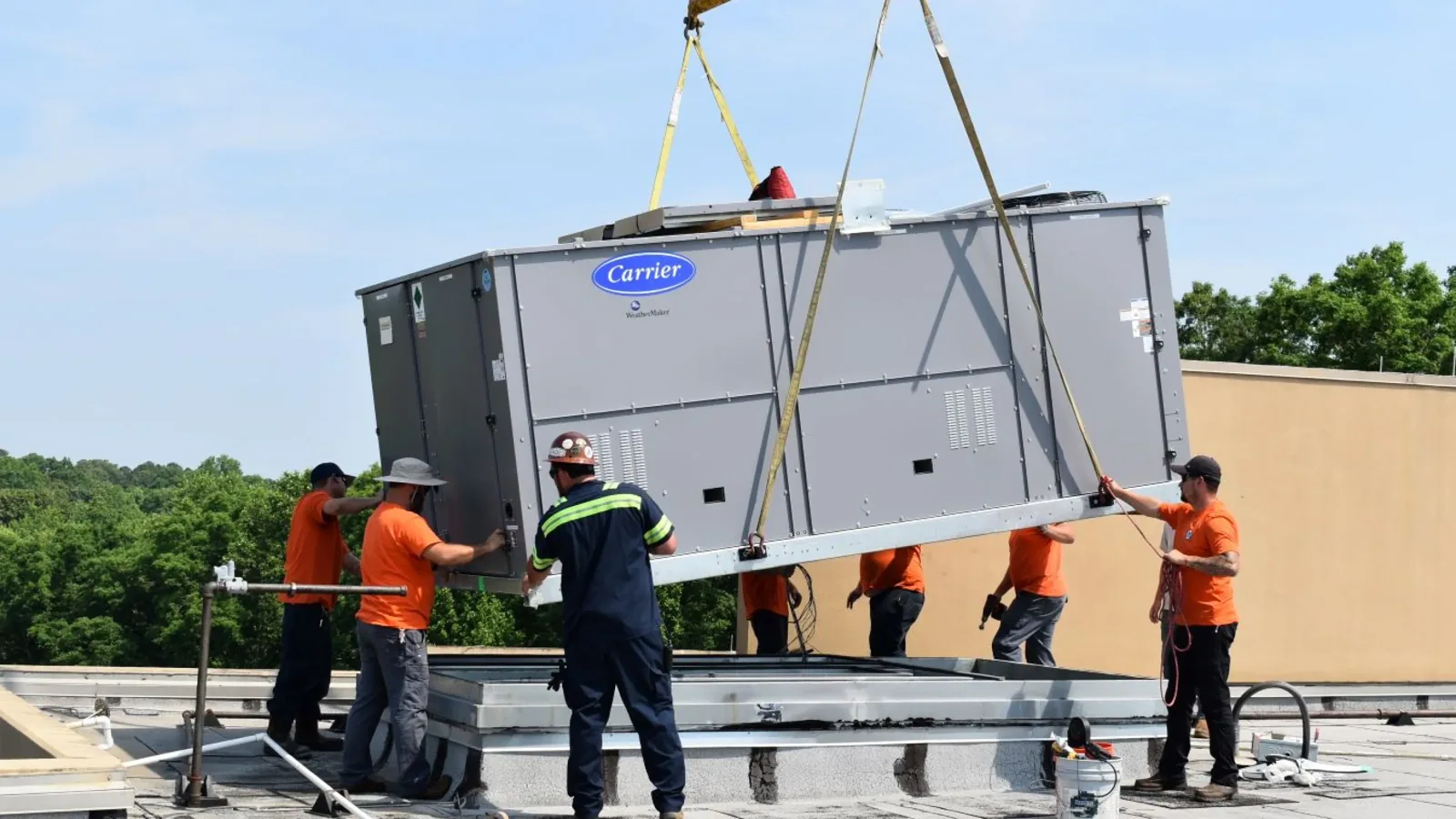
Examine accessible flow paths, the outlet connection and available discharge information. Debris at an inlet calls for a different response from a torn membrane connection or an unresolved elevation concern. Mark and photograph what the first walk establishes. Persistent standing water needs its supported mechanism assessed before the proposal selects cleaning, connection repair or a larger drainage alteration. The duration reported by staff does not establish that mechanism by itself.
Roof drain and scupper correction can depend on plumbing, supporting construction and finished layer heights. Assign those tasks to the participants qualified to address them. If insulation changes the receiving level, examine related wall, curb and outlet details before the amount is accepted. The owner then sees the work needed to complete the drainage option, including the interface that might otherwise remain undecided after the field covering is finished.
Request a Roof Assessment
Separate established scope from concealed questions
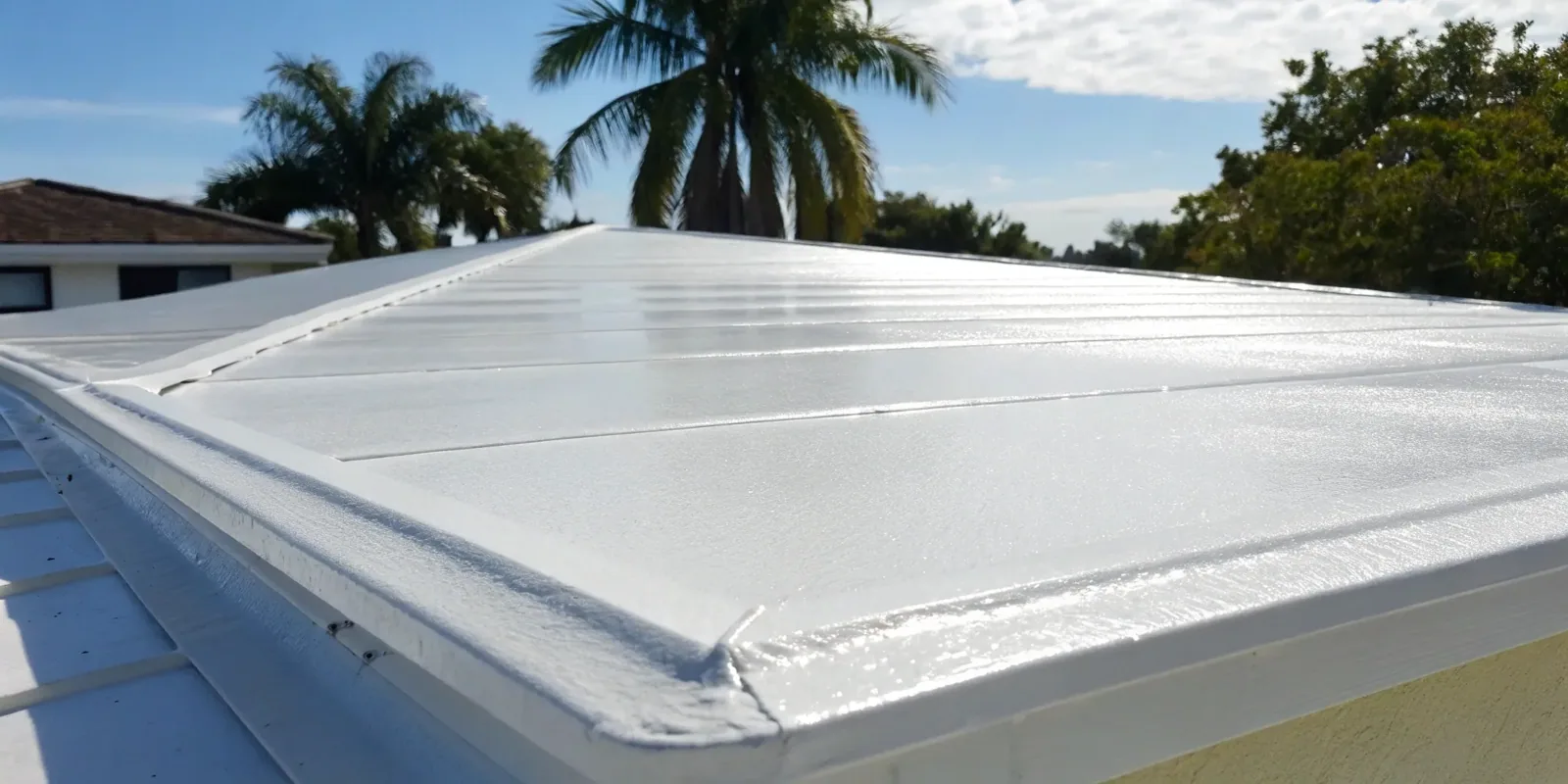
Record installed layers and accessible condition for the section under consideration. Thermal differences need appropriate observation conditions and interpretation followed by suitable confirmation. An opening establishes information at its position; a larger removal or retention choice needs investigation appropriate to its intended extent. Keep that coverage in the distribution building roof condition report so the owner can follow how the recommendation reaches beyond the visible defect.
Compare complete options. A repair needs its prepared boundary and compatible connection. Restoration depends on a suitable retained assembly and the selected product's preparation requirements. Replacement adds receiving reconstruction and the adjustments necessary around its new heights. State how newly exposed deterioration will be measured and approved, while the supported amount remains identifiable. Manufacturing-related roof coordination should retain any additional process requirements where a logistics building also carries production activity.
Request a Roof Assessment
Leave a usable sequence for the next visit
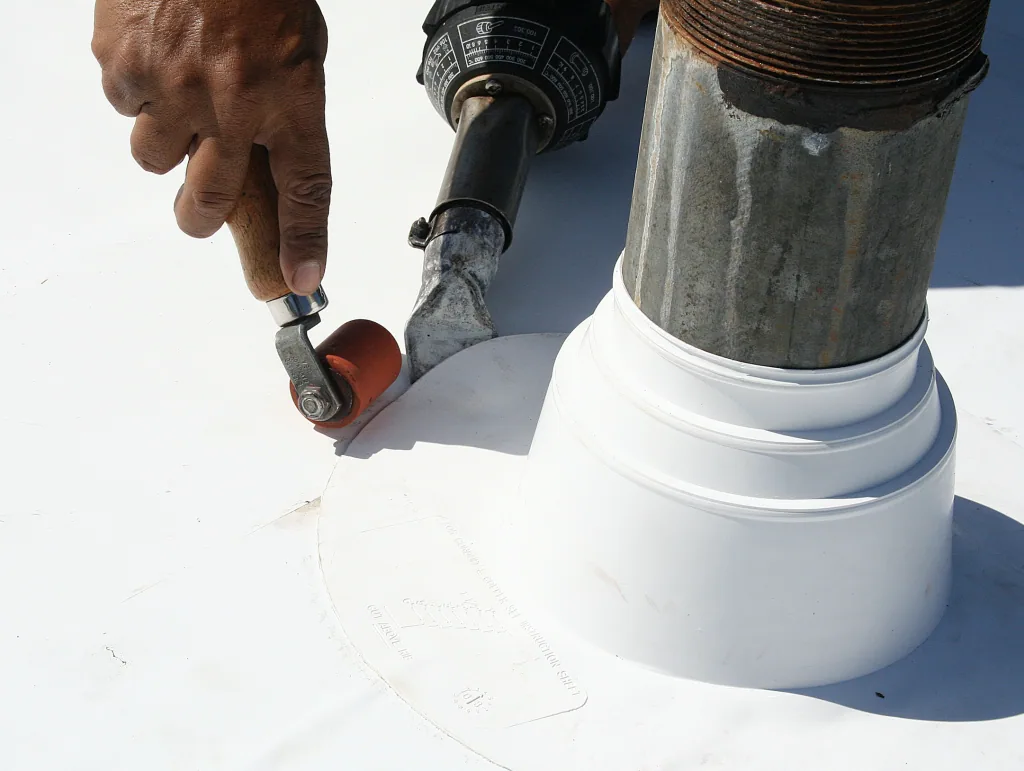
Confirm the governing authority and submission basis at the actual address. Determine which adopted local construction provisions and California energy requirements or exceptions apply to the alteration proposed. Set membrane application from the selected product limits and the examined surface, rather than from the shipping calendar alone. Any uncompleted protection or equipment prerequisite belongs in the work sequence before the phase depends on it.
During the closeout walk, record finished roof positions and accepted quantity changes. Keep product information, care requirements and issued warranty instructions available for later service. Identify outstanding investigation and the participant responsible for the next action. The operator's acceptance of floor activity and qualified equipment return remains distinct from roofing completion. Those entries let the facility arrange subsequent access with the actual completed work and remaining assignments visible.
Keep the responsible contact current when another logistics provider takes over the building, so existing instructions remain usable during the next service visit.
At a logistics operation, material delivery and debris removal compete with active vehicle routes. Confirm the approved dock, trailer circulation, staging and lift positions with the site contact, then show how the roof phase preserves receiving and shipping access. At the roof, mark work sections that can be closed independently and keep drainage open through each phase. If the sequence depends on a temporary operating change, state who authorizes it and what alternative keeps the building protected. The estimate should expose those dependencies before labor or material is committed.
Request a Roof Assessment
Walk the Corona Logistics Roof and Receiving Sequence
Share the reported location and operator contact so we can walk the roof, describe the findings and put the supporting tasks in order.
Questions
Logistics and 3PL Operators: Common Questions
Supply an aisle or room reference, occurrence details and available roof drawings. Match the reported position with accessible roof and adjoining construction before selecting the correction.
Confirm the construction receiving position, transfer route and equipment method with the operator. Include additional handling where the accepted arrangement requires it.
Identify the accessible flow and connection conditions. Cleaning, membrane correction and a changed drainage arrangement require different supporting findings and tasks.
State its measurement and authorization procedure. Keep established quantity and investigation still needed for a broader choice identifiable.
Retain finished positions, approved changes and material instructions. Assign outstanding tasks and distinguish roof completion from operating and equipment acceptance.