Commercial Roofing in Ontario, CA
Ontario
Locate the service path before examining a puncture on an Ontario commercial roof. Compare the reported opening with nearby equipment and the route used to reach it. That first look helps define both the repair and the protection needed for later maintenance. We assess commercial roofing and present the owner with located findings, suitable construction and the operating arrangements required to complete it.
Ontario is served by Interstate 10, State Route 60 and Interstate 15. Ontario International Airport is also part of the city's setting. For roofing coordinated from Corona, CA, the assigned building's entrance and access rules govern the visit. A project near or within an airport setting needs its actual permissions established; a regional location alone does not identify the premises or authorize the route for roof materials.
Request a Roof Assessment
Inspect the opening and the route beside it
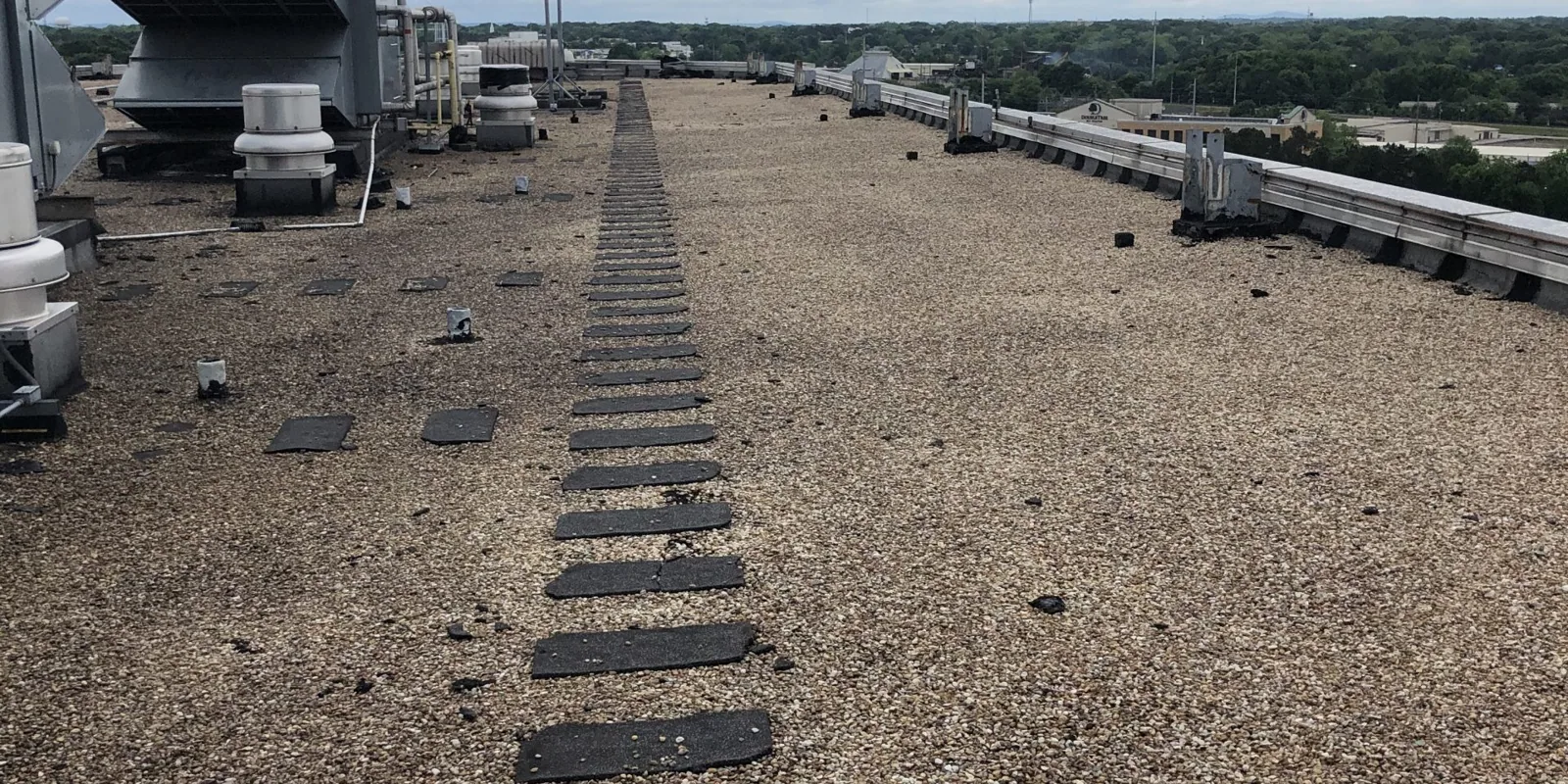
Photograph a suspected puncture with enough adjoining roof to show its position. Check accessible material around the opening for additional damage, earlier patches or unsuitable receiving surface. The service route can reveal areas needing closer examination, but it does not establish who caused a defect. Record the observed condition and the construction required to join the repair without assigning an unsupported history to the damage.
A puncture repair joined to suitable surrounding membrane requires identification of the installed system and compatible preparation. Remove obstructing or incompatible earlier material where necessary. If concealed moisture needs examination, state the check and planned closure. A larger patch should follow the damaged receiving boundary measured on the roof rather than a standard dimension unrelated to the finding.
Request a Roof Assessment
Provide maintenance access that protects the roof
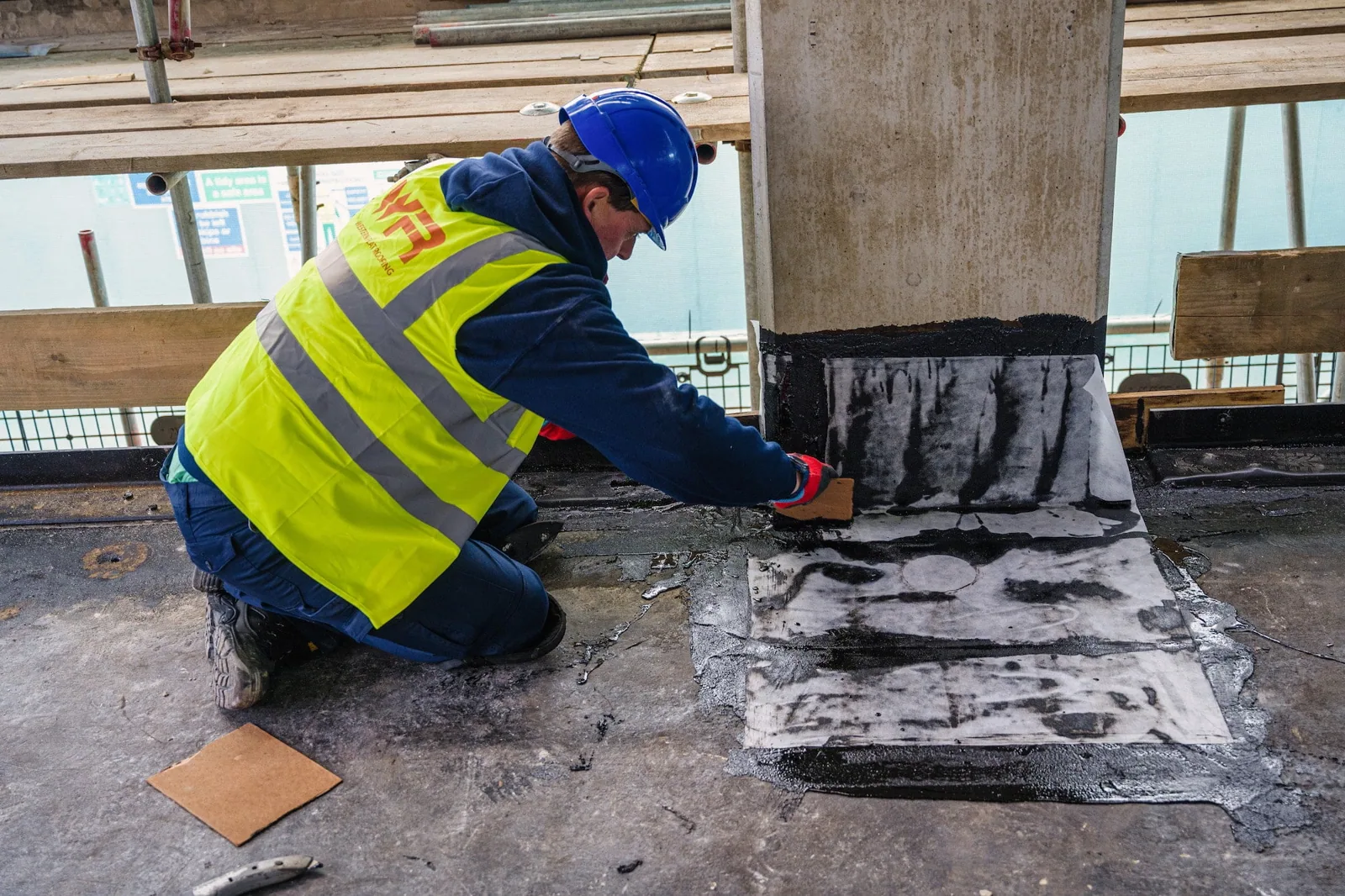
Discuss how equipment is reached and which areas require protection after repair. A walkway or protection pad must suit the installed system and preserve drainage. Examine the proposed receiver, placement and attachment requirements. Concentrated storage or equipment movement needs separate support review. Protection should help the authorized service route without hiding an unresolved seam or forcing water into a new low area.
Roof maintenance with located service and drainage checks gives the building operator a usable record for later visits. Keep completed corrections and subsequent equipment work at recognizable roof positions. Inspect accessible outlets and transitions relevant to the route, and record anything that cannot be examined. A return visit can then follow a defined question instead of repeating a general request to look over the roof.
Explain the limits of the protection provided. A pad does not approve heavy material storage or remove the need for careful handling. Retain the system's maintenance directions with the installed detail. When another trade proposes a new equipment opening, establish the roofing reconstruction and responsible participants before the penetration is made.
Request a Roof Assessment
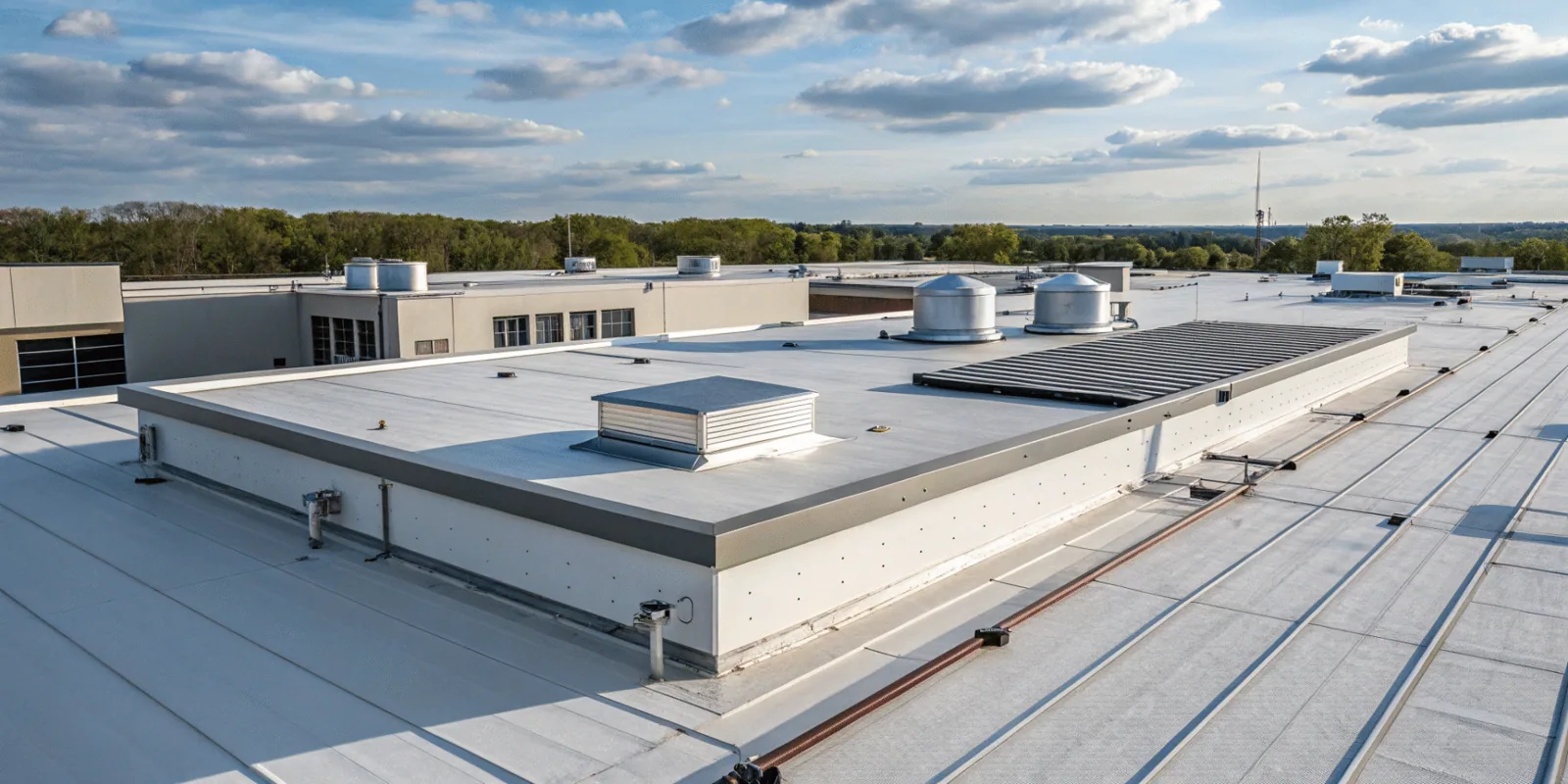
Review the connection at the service destination
The equipment curb at the end of the path needs examination of its roof connection. Check corners, accessible backing, turn-up height and upper termination. An added layer or altered unit can change the geometry needed for new flashing. Identify another trade's supporting task and approval where a curb or service must be adjusted. The roof estimate should include the receiver that makes its finished detail possible.
Roof connections at equipment with defined supporting work need a clear separation of responsibilities. Qualified participants authorize service controls and any equipment change. Record how operation will be restored and checked. The crew's ability to reach a unit does not establish permission to change it; accepted equipment arrangements precede the roofing task that depends on them.
Request a Roof Assessment
Service Areas
Related Commercial Roofing in Corona
Other services, systems and buildings that often come up alongside this work.
Roof Systems
Commercial Roof Systems We Work With
Single-ply, built-up, metal and coating systems we install and repair across Corona:
TPO Roofing
Corona TPO roofing reviews the complete assembly, compatible welded details and suitable installation checks before defining the work sequence.
PVC Roofing
Corona PVC roofing reviews product-specific exposure, complete assembly requirements and compatible welded details before planning the roof work.
EPDM Roofing
Corona EPDM roofing reviews rubber membrane condition, compatible seam procedures and complete supporting requirements before planning the work.
KEE Roofing
Corona KEE roofing reviews the selected membrane, actual exposure and complete construction before coordinating suitable preparation and details.
Modified Bitumen Roofing
Corona modified bitumen roofing reviews layered construction, suitable application methods and actual facility.
Built-Up Roofing
Corona built-up roofing examines layered construction, suitable repair connections and application controls before defining the complete work.
Need Help With a
Commercial Roof?
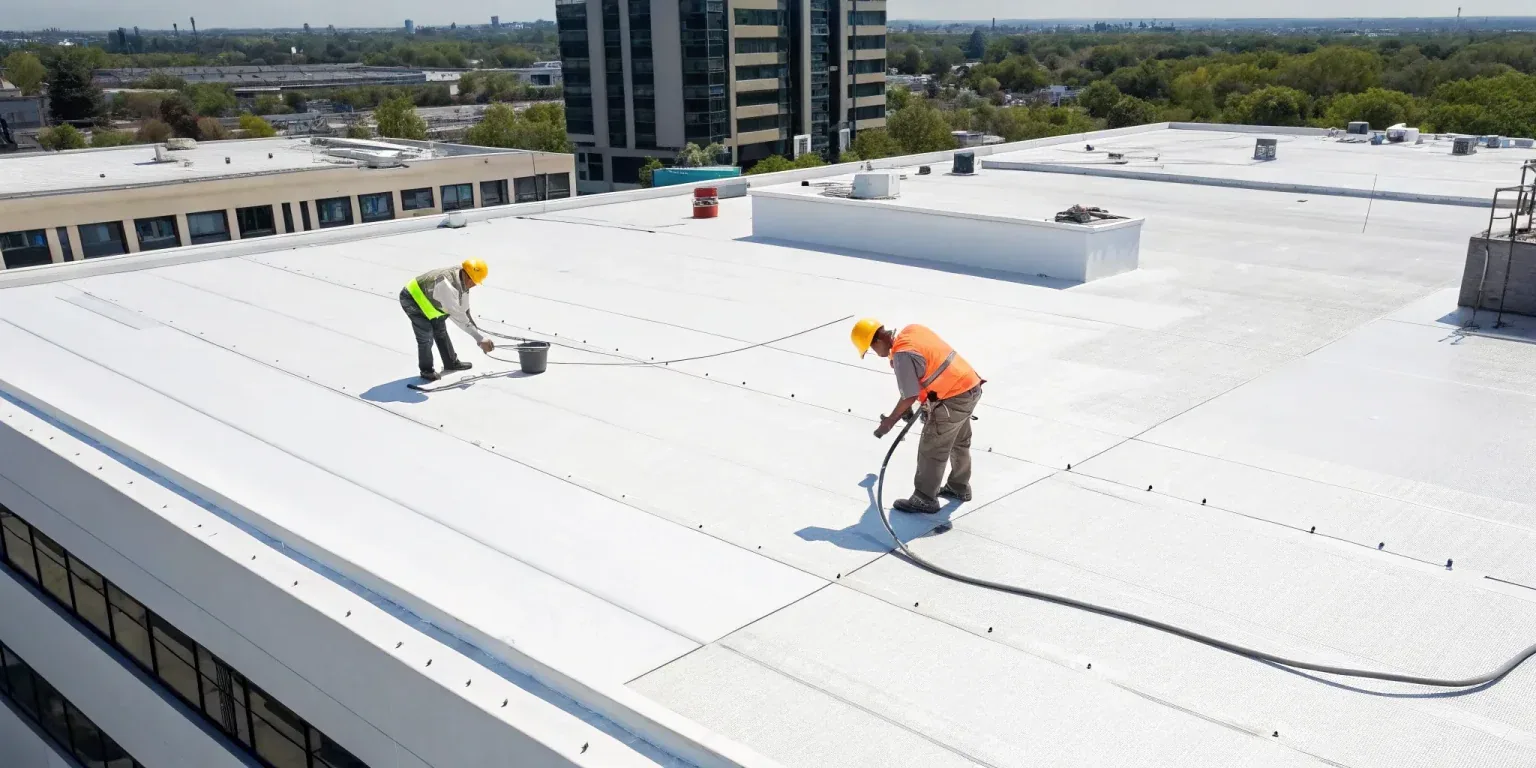
Confirm the extent before drawing a removal boundary
Where the reported opening has allowed concealed water, select appropriate investigation and obtain authorization for samples. Retain the layer record and result with the exact position. Temperature surveying can help direct confirmation under suitable conditions, while its patterns require interpretation. Keep the coverage and unavailable areas visible. A section-wide quantity needs evidence addressing that section, not the assumption that an isolated sample describes the entire roof.
Replacement with measured removal and receiving limits accounts for backing, insulation, attachment and completed transitions. A recover alternative requires review of retained condition, layers, loads and geometry. Restoration needs suitability and preparation for the chosen product. Compare these options with complete access, protection and disposal tasks. Attach the further investigation or approval required for any conditional alternative.
Request a Roof Assessment
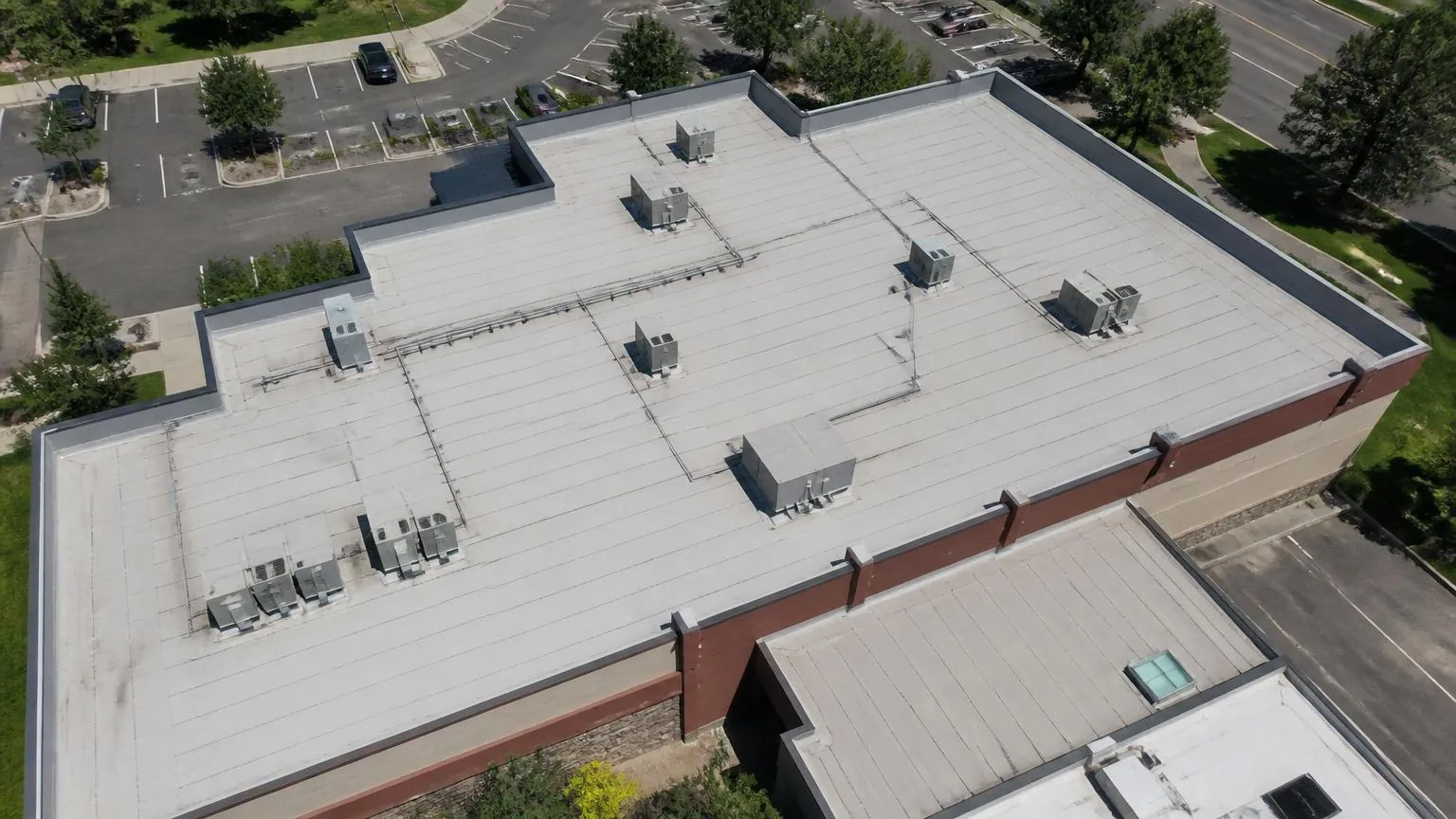
Set the phase from access and current conditions
Confirm the unloading and lifting positions with the building representative. Review roof support before assigning concentrated material staging. Protect affected entrances and ground areas, and identify the occupied rooms beside the removal phase. Product precautions, debris and noise need discussion with the facility team. Include qualified equipment approvals where services or ventilation are affected by the selected method.
Actual surface temperature, moisture and wind govern preparation and handling. The Corona region's hot summers and Santa Ana conditions are planning considerations; the crew checks the assigned roof and equipment limits before proceeding. Required joining conditions and cure remain part of the phase. If those conditions cannot be met, explain the revised exposure or protection arrangement and the work that must wait for suitable installation.
A building in Fontana uses its own access record, while another in Chino retains its particular project review. Confirm authority, submission and inspection needs for the Ontario premises and actual scope. Keep the accepted basis with the chosen assembly so another property's material or approval does not become an assumption for this work.
Request a Roof Assessment
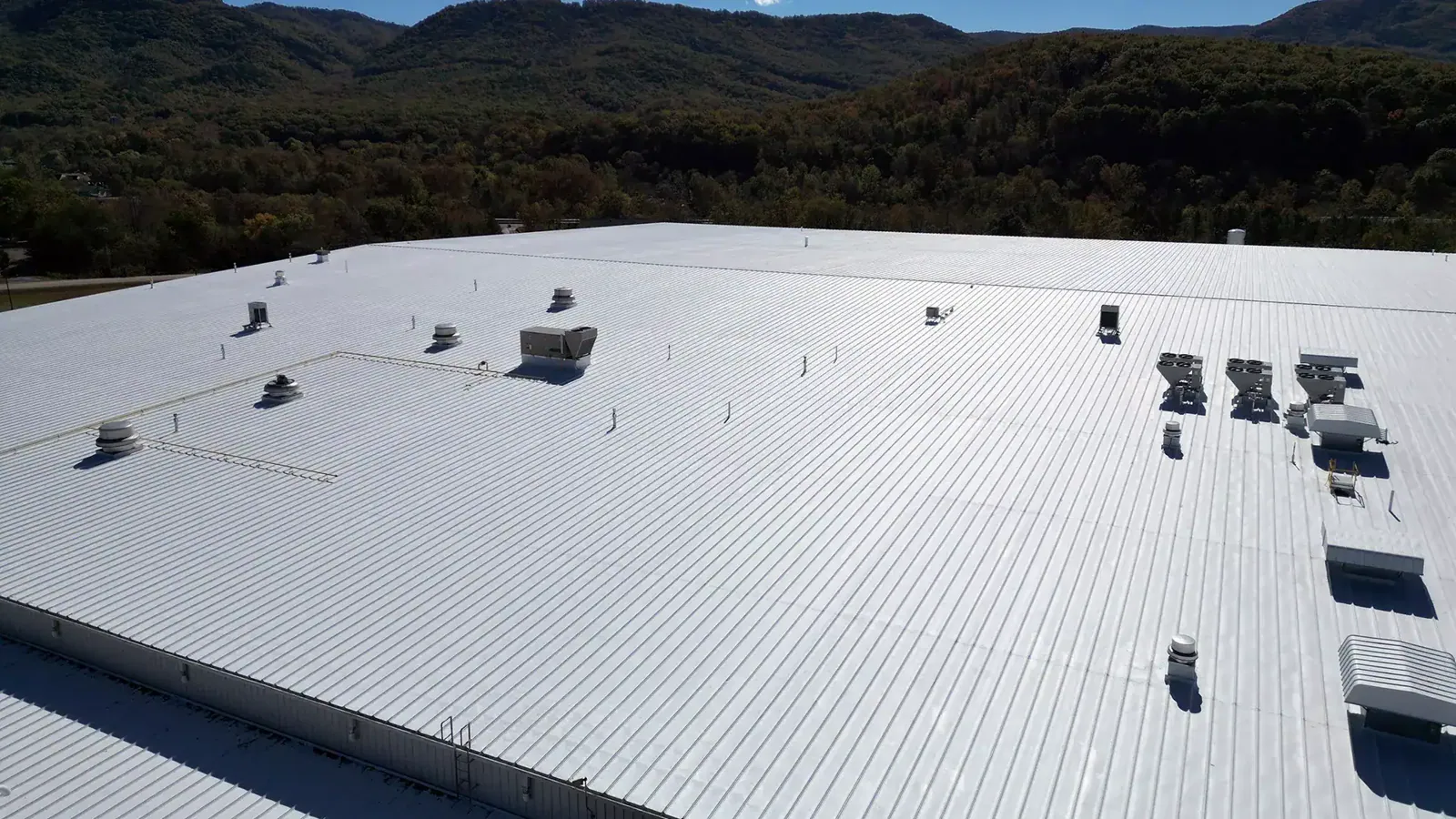
Compare the repair and protection during closeout
During the closeout walk, locate the corrected opening and the agreed service protection. Compare completed work with preparation photographs and approved changes. Retain the products installed and maintenance instructions relevant to them. Identify punch-list actions by position and assign their responsible contacts. A later water report should be traceable to the completed detail and any service alteration made afterward.
Roof assistance is available for urgent concerns at night, on weekends and during holidays. Provide the affected room and building access contact. Safe conditions govern examination and temporary protection. Record permanent repair work and any remaining confirmation separately so the building operator has a defined follow-up task after immediate stabilization.
Leave the accepted route with the operating contact. Identify protection that needs checking after equipment service and the reporting procedure for another opening. Maintenance instructions should describe the installed materials and the construction they protect.
Ontario's connection to regional logistics does not establish the use or roof system at a particular property. Confirm whether the assignment concerns an industrial building, office or another facility, and identify its entrance, staging area and authorized contact. For active freight premises, coordinate lifts and debris handling with the site team before delivery. Trace interior water reports against the roof plan and examine nearby outlets, seams, penetrations and equipment supports. When multiple buildings or tenant areas are included, split the inspection and estimate by roof zone. That record helps an owner coordinate work across a busy market without assuming every parcel shares a loading or roofing detail.
Request a Roof Assessment
Walk the Ontario Roof Service Route
Send the building address and reported damage location. We can examine the opening, adjacent equipment and access path, then return an ordered repair and protection list.
Questions
Ontario: Common Questions
The route guides examination. Record the actual opening and surrounding condition without assigning an unsupported cause or responsible party.
Storage needs its own support and handling review. A service pad protects an agreed route under the installed system requirements.
Obtain the equipment approval and define the new receiver. Show who completes supporting work and how roofing and operation are checked.
Compare its boundary with investigation coverage and findings. Keep inaccessible areas and further confirmation visible beside the proposed quantity.