
EPDM Roofing in Corona, CA
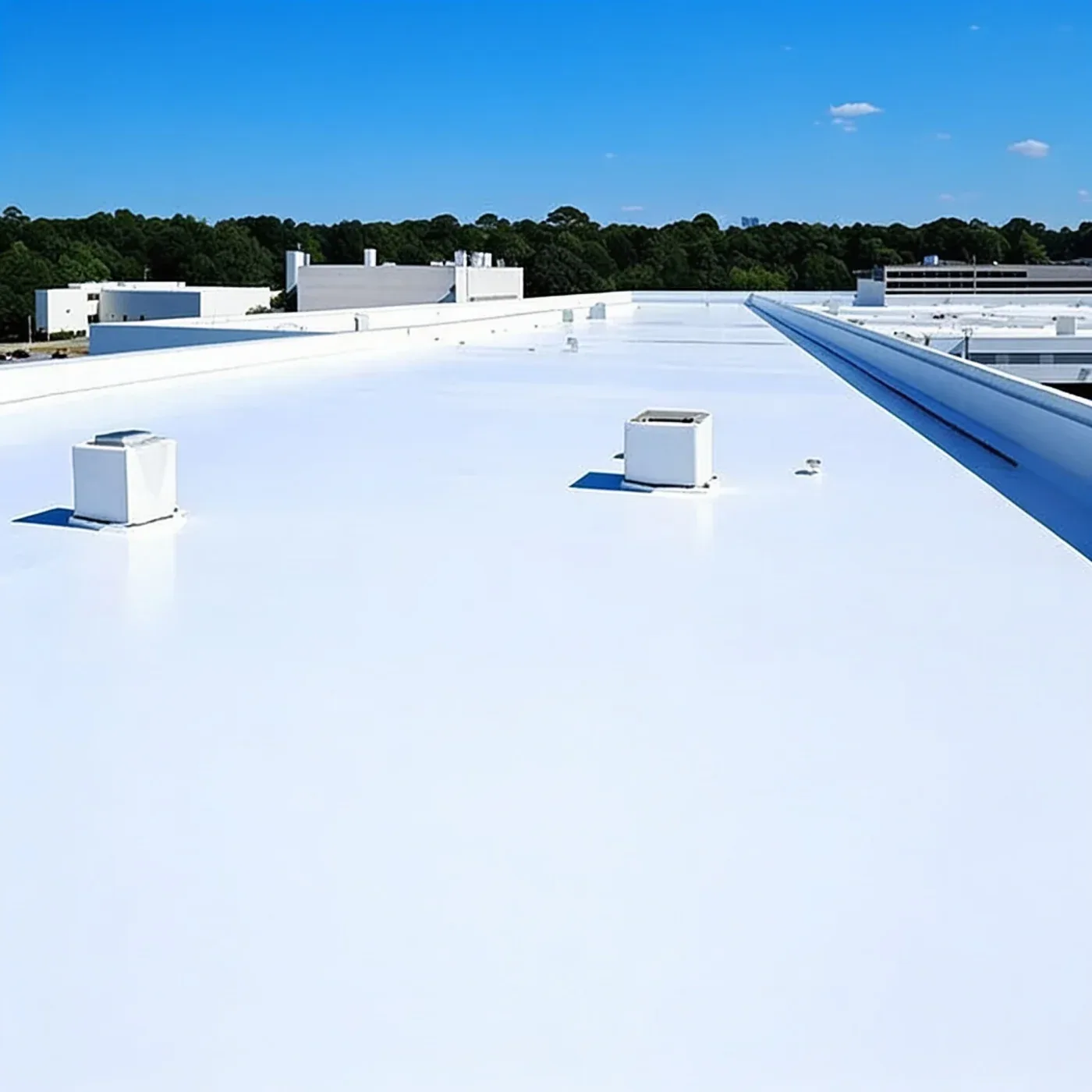
EPDM Roofing
Examine the existing seam beside a marked curb on a Corona commercial roof before choosing the repair components. Identify the rubber membrane and review its prior treatment, then photograph the receiving surface. That first pass tells the owner which preparation and compatibility tasks support the connection rather than treating every single-ply seam as a heat-welded detail.
EPDM roofing in Corona, CA uses a synthetic rubber membrane within a selected complete assembly. Suitable seams and repairs need their product-specific components and procedure. We review the actual roof and explain preparation, details and relevant checks in order. The owner receives a usable construction proposal, with concealed-condition and support questions kept ahead of the work where they affect suitability.
Identify the welding method for a TPO alternative and a PVC alternative alongside EPDM's selected seam products. Review the supporting construction and preparation each procedure requires. The owner should see those different tasks in the comparison instead of one single-ply description used to cover three unresolved assemblies.
Request a Roof Assessment
Establish the material and accessible findings
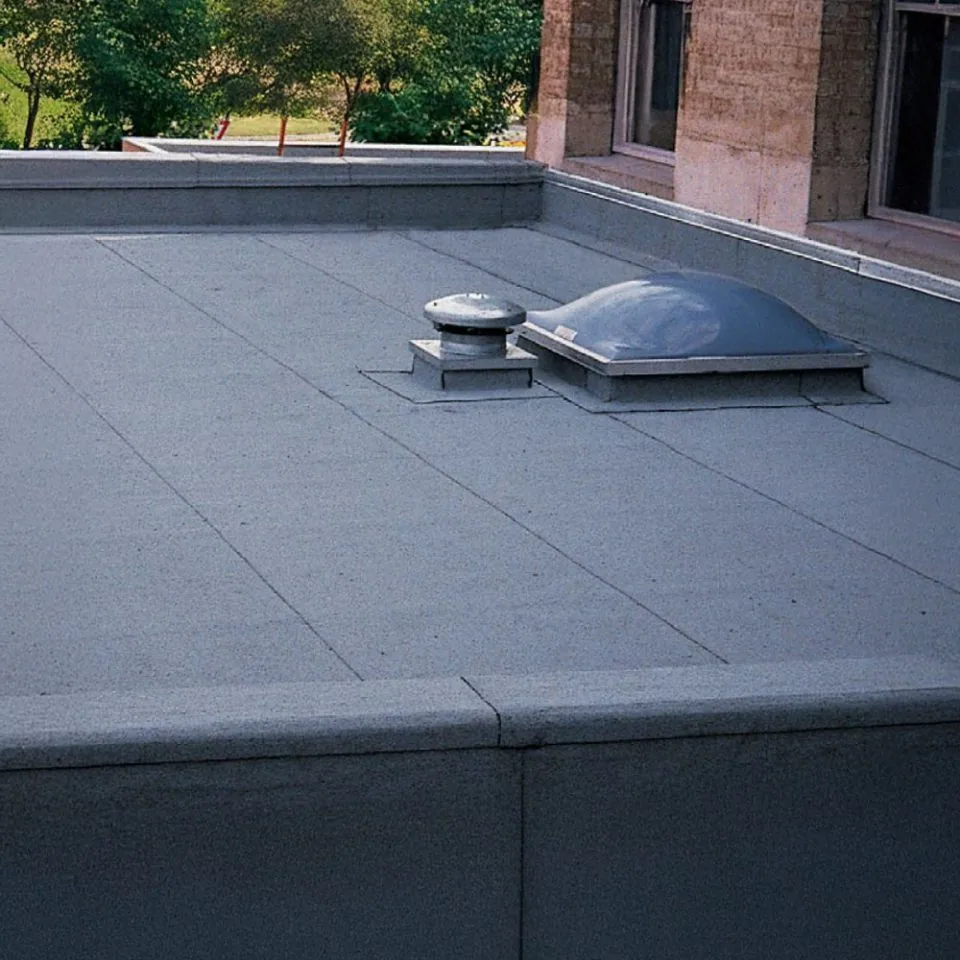
Review installation records and previous correction locations where available. Identify accessible membrane, surface treatments and roof interfaces. Record damage or a reported concern at consistent references. A material's appearance alone may leave identification or condition questions unresolved, so request relevant information before a method relies on the assumed product.
Our roof assessment describes useful coverage and limitations. Suitable authorized investigation may be needed where hidden layers affect a larger proposal. Keep sample evidence local and the remaining extent visible. The owner can then arrange a relevant next check rather than selecting retained construction from an intact-looking sheet or a general membrane-age rule.
Request a Roof Assessment
Choose a suitable seam and patch procedure
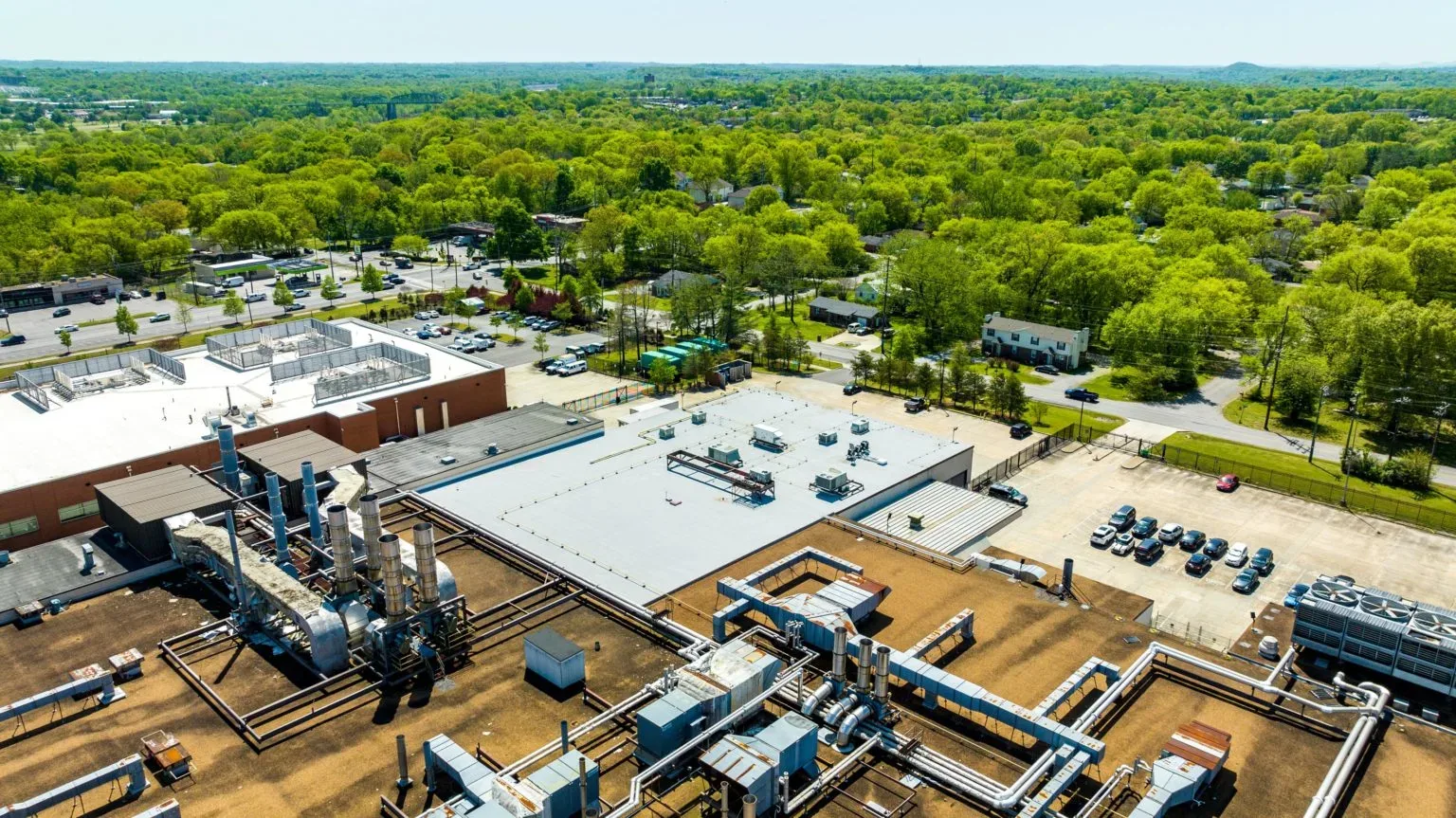
Review the actual EPDM product and compatible component requirements. Primers, tapes, adhesives or other specified materials may have roles within the selected method. Their complete preparation and application procedure matters. A thermoplastic welding routine should not be substituted for the rubber membrane's suitable connection.
Our defined repair planning connects the observed defect with appropriate materials and checks. Prior coating, contamination or damage may affect the receiving surface. Establish the usable preparation before application. The owner should understand what supports this local correction and which adjoining concern needs another task before the proposal depends on it.
Retain the selected procedure with the affected roof reference. If material identification or compatibility remains uncertain, obtain suitable information before ordering the components. A matching color or familiar patch appearance is not the basis for treating the connection as ready. The scope should show the actual detail being corrected and the appropriate check for that work.
Request a Roof Assessment
Review supporting layers and attachment
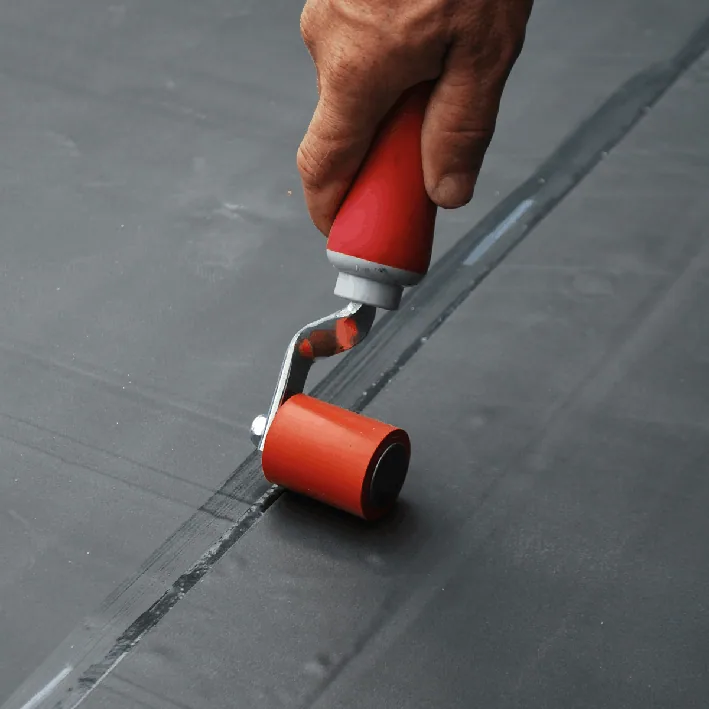
Specify the rubber membrane with the intended deck, insulation, cover board and attachment arrangement. The complete assembly and relevant project requirements establish suitable construction. A dry-looking existing sheet does not identify every supporting layer or concealed connection. Qualified professionals address structural questions where necessary for the actual proposal.
Our layer preparation review explains selected components and relevant retained-condition questions. An adhered or mechanically attached approach has its own supporting requirements. Adhesive is not a remedy for an uncertain receiving base. Keep the usable attachment information with the scope before installation relies on retained construction or components not yet adequately established.
Request a Roof Assessment
Roof Systems
Related Commercial Roofing in Corona
Other services, systems and buildings that often come up alongside this work.
Roof Systems
Commercial Roof Systems We Work With
Single-ply, built-up, metal and coating systems we install and repair across Corona:
TPO Roofing
Corona TPO roofing reviews the complete assembly, compatible welded details and suitable installation checks before defining the work sequence.
PVC Roofing
Corona PVC roofing reviews product-specific exposure, complete assembly requirements and compatible welded details before planning the roof work.
EPDM Roofing
Corona EPDM roofing reviews rubber membrane condition, compatible seam procedures and complete supporting requirements before planning the work.
KEE Roofing
Corona KEE roofing reviews the selected membrane, actual exposure and complete construction before coordinating suitable preparation and details.
Modified Bitumen Roofing
Corona modified bitumen roofing reviews layered construction, suitable application methods and actual facility.
Built-Up Roofing
Corona built-up roofing examines layered construction, suitable repair connections and application controls before defining the complete work.
Need Help With a
Commercial Roof?
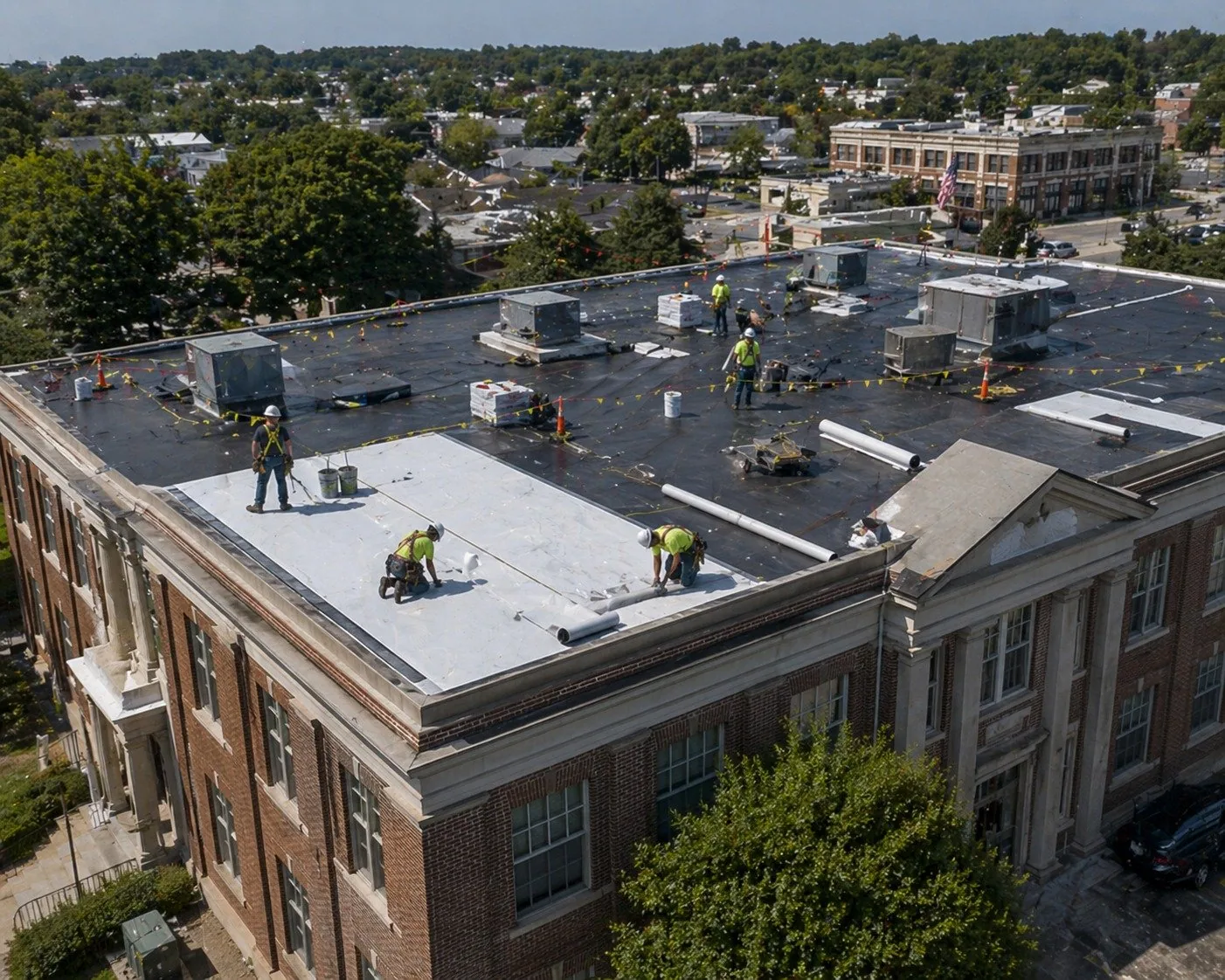
Construct openings and perimeter details compatibly
Review actual geometry and suitable components at curbs, pipe openings and changes in plane. Our penetration detail work defines the roof-side connection. Equipment or adjoining wall tasks may need to precede that work. Assign their responsible contact before the membrane detail is treated as ready.
Our edge coordination connects perimeter components with the selected system. Compare finished heights and outlet relationships with the proposed build-up. The owner should see the complete intended arrangement rather than a field-membrane scope that leaves transitions unspecified. Where a detail changes during preparation, obtain the required revision and retain it at the affected location.
Request a Roof Assessment
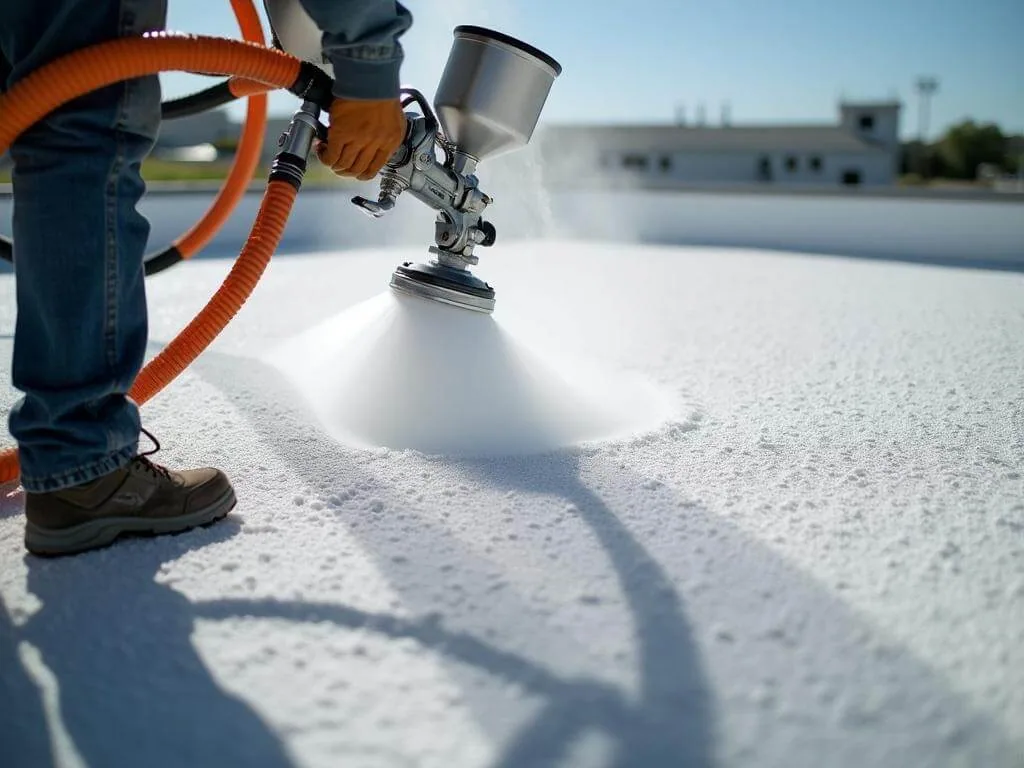
Compare retained and rebuilt construction
Our retained-layer assessment reviews actual conditions alongside assembly, attachment and project requirements. Suitable observations contribute evidence within their coverage. A local dry result does not establish the eligibility of every roof section. Keep extent or supporting questions assigned to further investigation where necessary.
Removal and new construction may be appropriate where supported by the actual findings and requirements. Compare the useful purpose, preparation and interfaces of each option. The owner should receive a condition-based recommendation rather than a fixed patch-count threshold. Review the applicable address authority and submission basis, including Corona's adopted 2025 CBC with amendments where municipal review governs the work.
Request a Roof Assessment
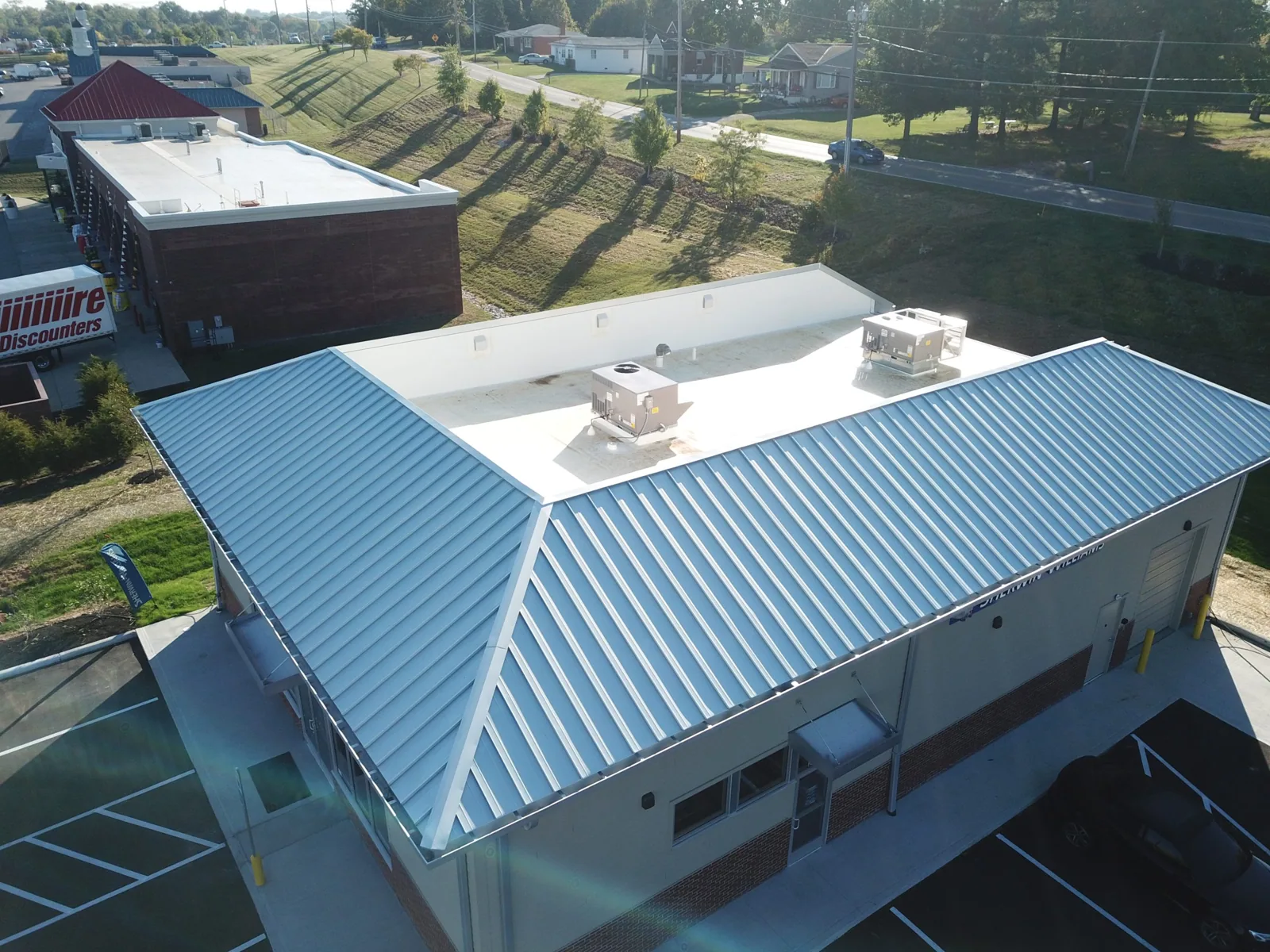
Set preparation and application from current conditions
Corona's hot summers and cooler-season rainfall frame planning. Examine the actual surface and selected product procedure, including material conditions where relevant. Regional Santa Ana winds can affect access and handling. A fixed regional start time should not replace the readiness assessment needed for the seam, bond or detail task.
At a Norco facility, obtain actual receiving and equipment instructions. A Chino property needs its own access arrangements and project review. Coordinate affected activities with the operator and responsible qualified personnel. When conditions change the usable task, explain the next preparation or operating decision before another stage depends on it.
Request a Roof Assessment
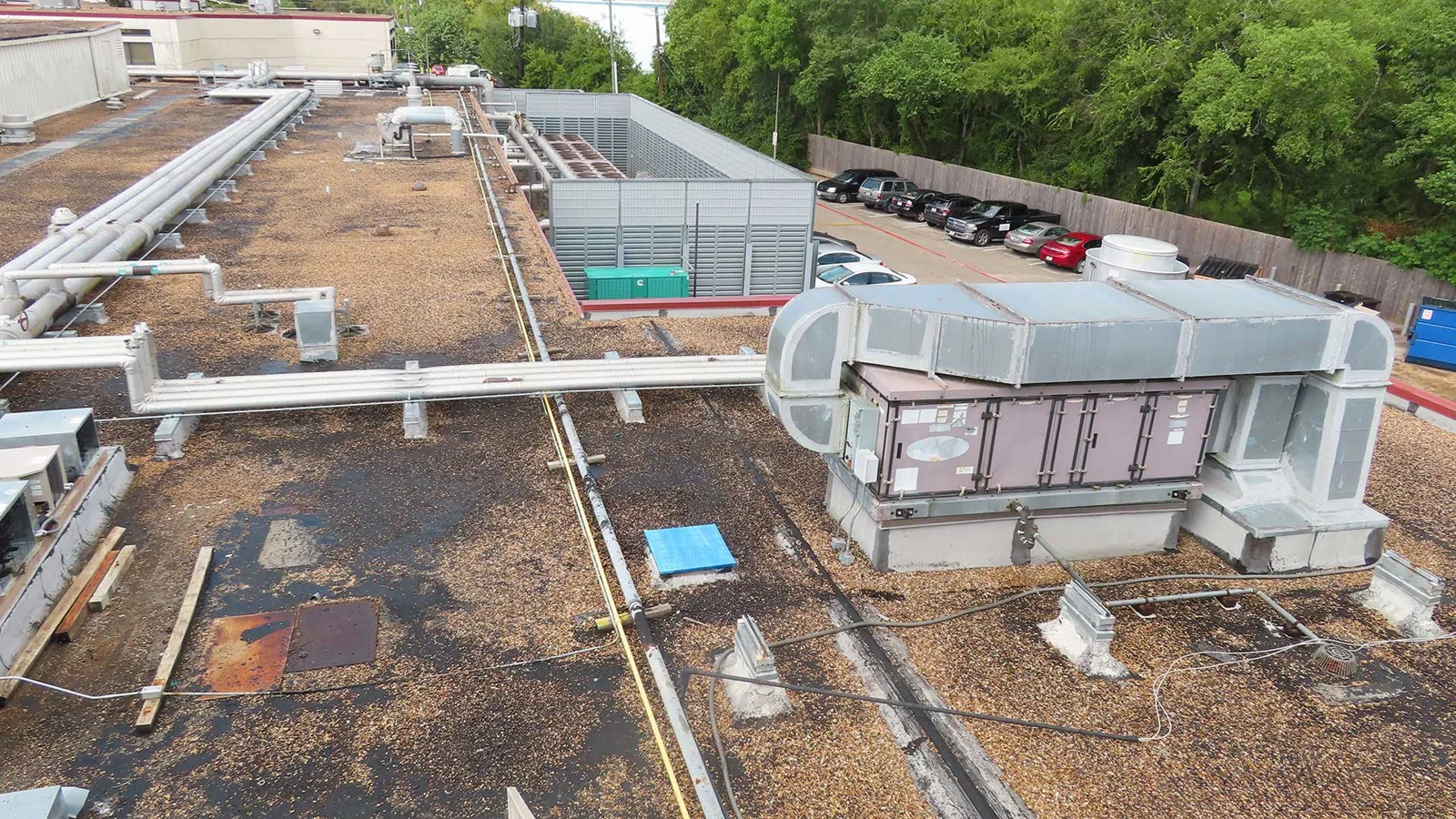
Retain checks and the completed rubber roof record
Photograph completed details at their original references and record materials, relevant checks and approved changes. Mark remaining tasks and assign the contact responsible for arranging them. Keep the requested decision beside the roof location, including any material or access information needed first. The owner can then distinguish a completed connection from an interface awaiting another review or trade handoff. Review manufacturer and workmanship terms through actual documents. The owner needs an understandable record of the installed construction, including the supporting information useful for later service.
Our maintenance planning can organize accessible examination around that arrangement. Record later equipment changes and fresh damage observations. A new interior drip requires suitable source investigation rather than an automatic conclusion about the nearest repaired seam. Keep the completed correction and later finding distinct so the next task can use the actual evidence.
Retain product identification for future compatible work. A proposed coating, patch or equipment connection needs review against the selected system and relevant documents before alteration. The owner can then arrange a useful correction from known construction and access contacts rather than choosing materials from a generic rubber-roof description.
EPDM details depend on the correct bonding or seam method for the specific sheet and accessory. Identify the membrane surface, prior adhesive or tape, temperature and cleanliness requirements, and the receiver that will remain after removal. A repair that bridges an old patch without confirming its bond can leave the original failure in place. Show the cleaned boundary and how corners, penetrations or perimeter terminations will be reinforced. Where a larger area is considered, verify attachment, insulation condition and compatible transition details before comparing repair with replacement.
Request a Roof Assessment
Begin with the rubber membrane and an ordered detail walk
Share the address, roof history and reported concern. We will review EPDM construction and provide an ordered account of suitable preparation, compatible connections and the next useful task.
Questions
EPDM Roofing: Common Questions
Use the suitable procedure for the actual rubber membrane and selected components. Preparation and application requirements differ. Establish relevant checks for the proposed connection.
Identify receiving-material condition and relevant prior treatment. Review compatibility and suitable preparation. Keep unresolved information ahead of component selection or application.
Assess the actual retained construction and relevant hidden questions. Suitable investigation has stated coverage. Supporting and attachment requirements need their own usable basis.
Identify useful preparation and the requirement still unmet. Coordinate another task or period where necessary. The owner should understand the consequence for access and related operating arrangements.
Retain selected materials, located details and relevant checks with applicable documents. Add approved changes and observations. Future work can then review the actual system and suitable method.