Commercial Roof Leak Repair in Corona, CA
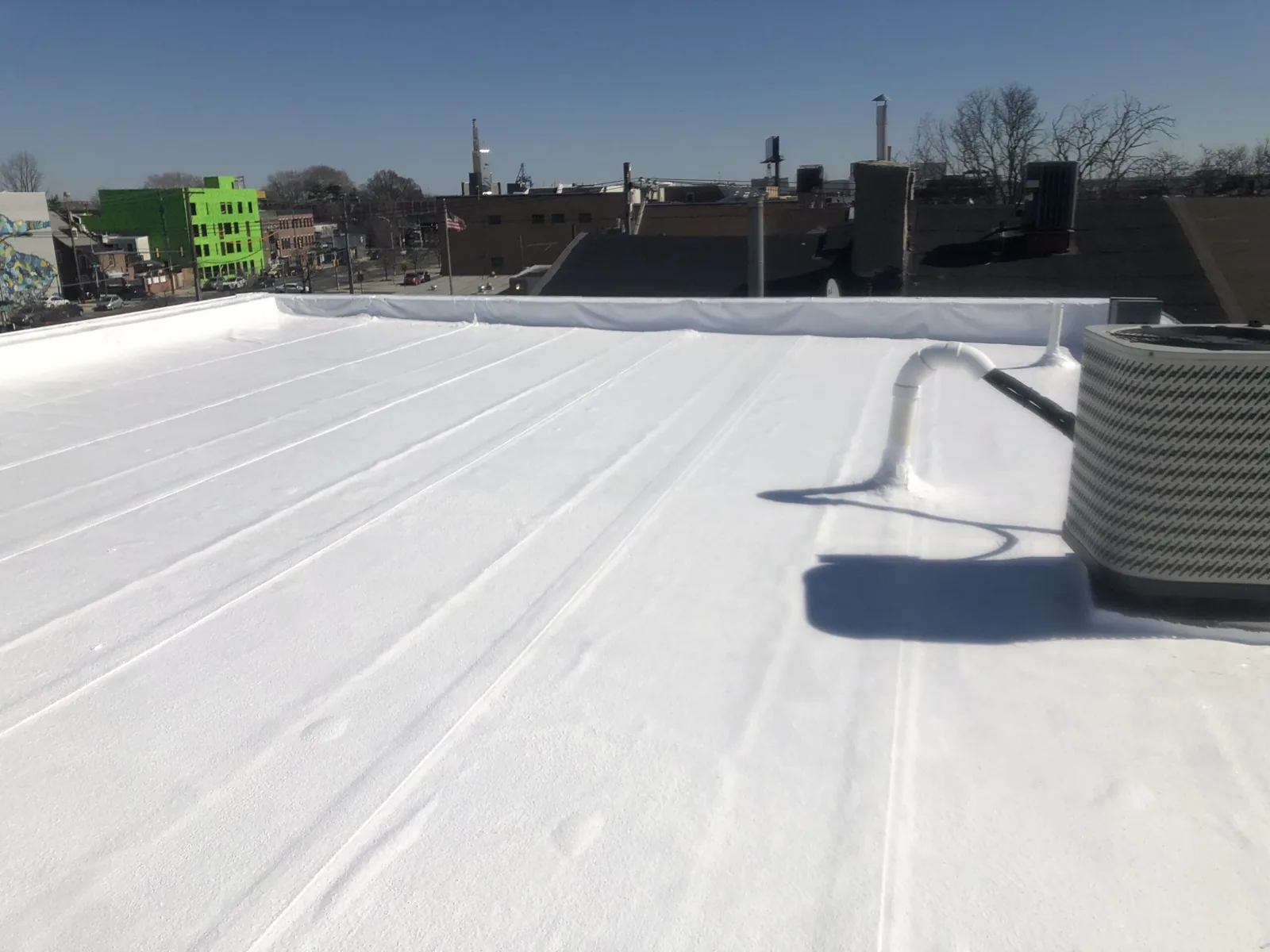
Commercial Roof Leak Repair
Start at the reported ceiling area of a Corona industrial building, then locate that area on the roof drawing before examining the adjoining curb, outlet and perimeter. Mark the findings with photographs. The first pass gives the owner a usable reference for the investigation; it does not turn the interior drip into a confirmed roof entry point.
Commercial roof leak repair in Corona, CA follows the evidence from the reported water to a suitable correction. We examine accessible connections, review timing and arrange further assessment where the source remains uncertain. The owner receives the observed defect, the proposed repair and the information still needed. Equipment, wall or plumbing involvement stays assigned to the relevant personnel rather than being folded into an unsupported membrane diagnosis.
Request a Roof Assessment
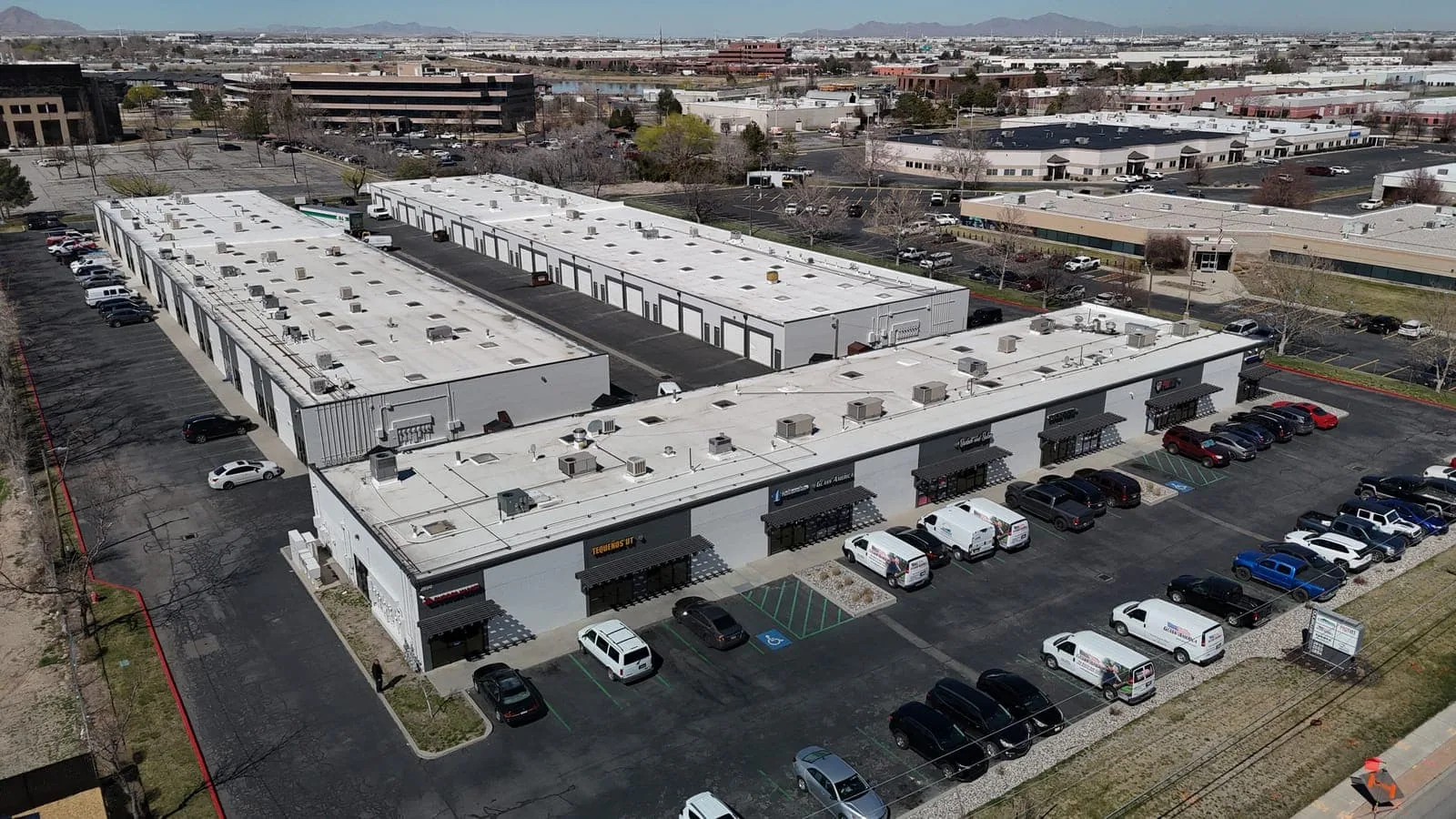
Mark the observation before choosing a test
Ask when the water appeared and record the affected room, date and relevant activity. Compare the report with weather and equipment operation. Those details help organize the investigation without proving condensation, plumbing failure or roof entry on their own. Where interior access is suitable and authorized, record visible conditions at consistent references alongside the roof findings.
Walk accessible drains, curbs, seams, pipe boots and terminations in the relevant area. Our roof examination defines the coverage and next useful questions. Water can travel within construction before becoming visible below. Keep the reported location and roof observation related on the drawing without assuming that they identify the same connection.
Request a Roof Assessment
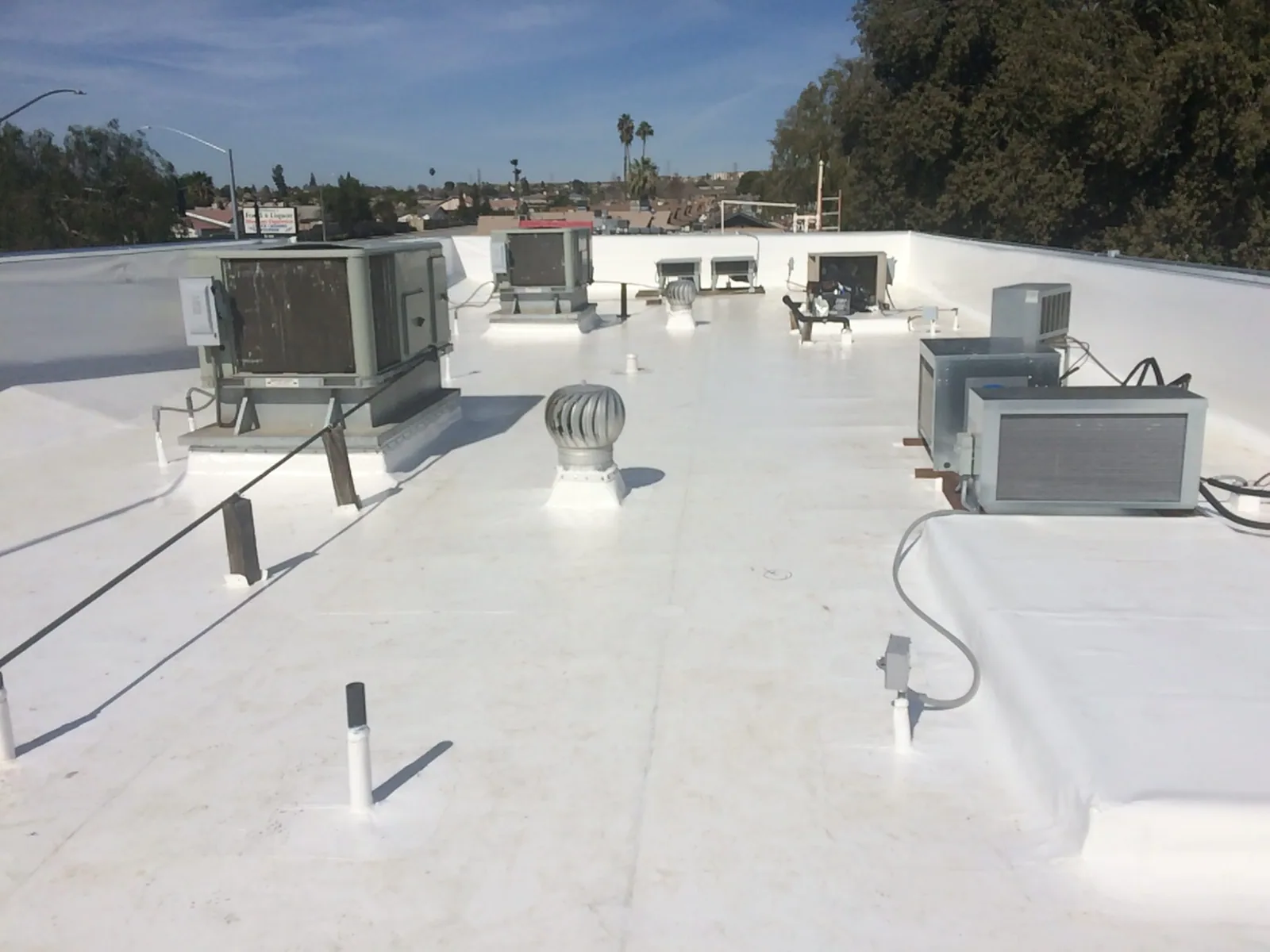
Choose an assessment suited to the construction
Begin with available records and accessible observations. Where further testing is useful, select a construction-appropriate method with authorization and suitable protections. Review supporting condition, affected areas and relevant drainage information before any method introduces water. A general hose sequence or a plugged outlet is not a standing procedure for every occupied roof.
Our thermal investigation may contribute interpreted patterns when conditions suit the assembly and purpose. Appropriate confirmation is needed where the repair decision depends on concealed condition. Record the coverage and remaining question. Thermal imagery does not establish the exact entry source or every wet layer simply by showing a different temperature.
Request a Roof Assessment
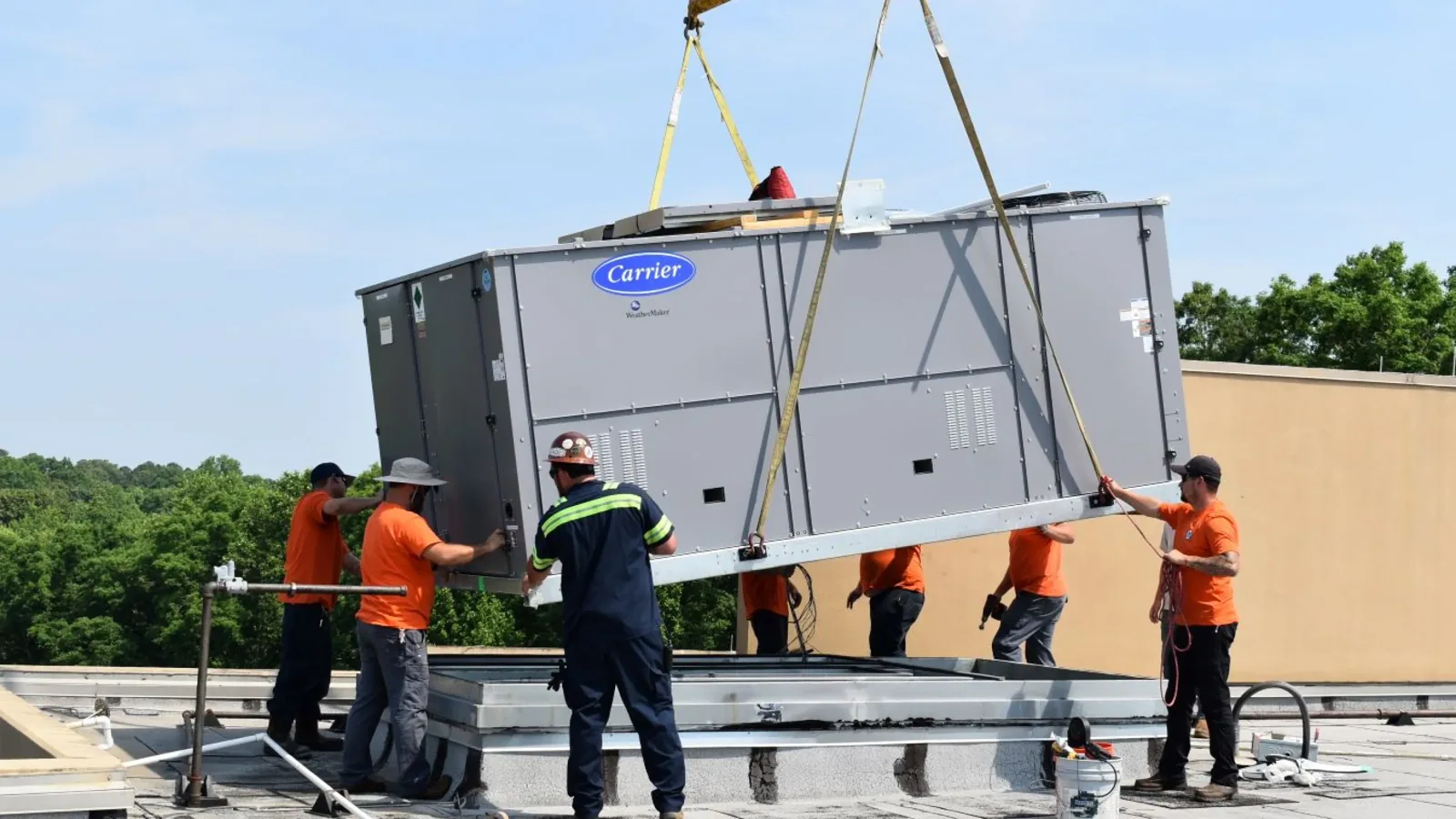
Keep alternative sources in the investigation
Examine relevant wall, equipment and drain-piping interfaces where the observations call for them. Qualified mechanical or plumbing personnel address their respective systems. A moisture meter or visible stain can contribute information, but neither separates every cause. Mark what was observed and what additional examination is needed before selecting a roof correction.
If an accessible defect supports a repair, name the actual connection and the suitable method. Where the source remains unresolved, provide the next useful task instead of a patch assumed from the room location. The owner should understand which finding supports the recommendation and which part of the reported water still needs explanation. Keep that distinction in the written scope.
Assign each next examination to the personnel able to perform it and arrange the required access. If the roofing connection is ready for correction while an equipment question remains, describe those as separate tasks. The owner can authorize the supported work without losing track of the other investigation. Keep both at the original room and roof references so a later report can be compared with the actual findings and completed correction.
Request a Roof Assessment
Commercial Roofing Services
Related Commercial Roofing in Corona
Other services, systems and buildings that often come up alongside this work.
Roof Systems
Commercial Roof Systems We Work With
Single-ply, built-up, metal and coating systems we install and repair across Corona:
TPO Roofing
Corona TPO roofing reviews the complete assembly, compatible welded details and suitable installation checks before defining the work sequence.
PVC Roofing
Corona PVC roofing reviews product-specific exposure, complete assembly requirements and compatible welded details before planning the roof work.
EPDM Roofing
Corona EPDM roofing reviews rubber membrane condition, compatible seam procedures and complete supporting requirements before planning the work.
KEE Roofing
Corona KEE roofing reviews the selected membrane, actual exposure and complete construction before coordinating suitable preparation and details.
Modified Bitumen Roofing
Corona modified bitumen roofing reviews layered construction, suitable application methods and actual facility.
Built-Up Roofing
Corona built-up roofing examines layered construction, suitable repair connections and application controls before defining the complete work.
Need Help With a
Commercial Roof?
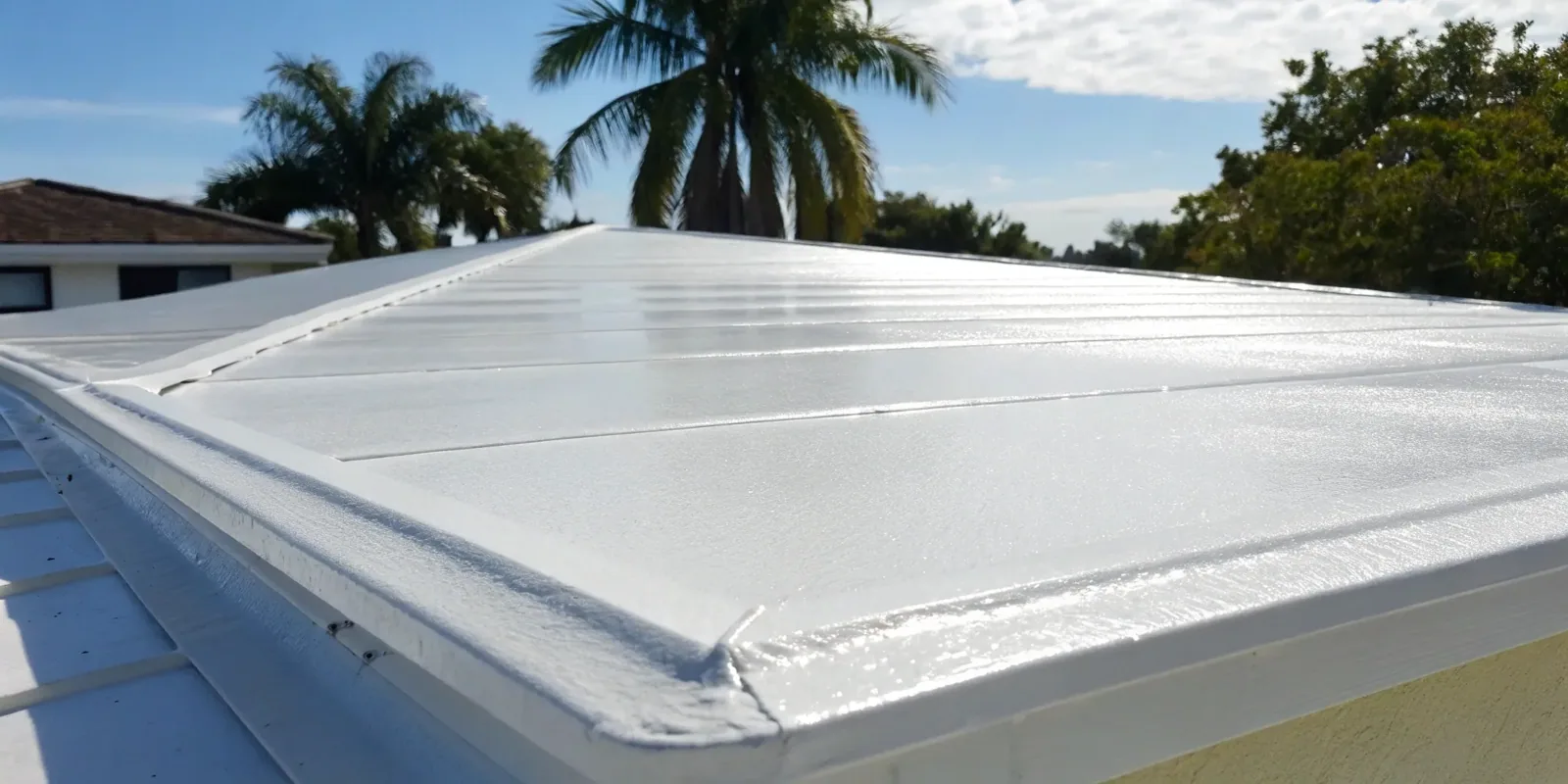
Define immediate measures and the permanent correction
Review current access, surface conditions and the construction before selecting an immediate measure. Around-clock emergency response is available; specific attendance and protection tasks still need coordination for the actual event. A temporary treatment needs a suitable method and follow-up arrangement. It should not be described as a promise that the roof will remain protected through every later condition.
Our emergency assessment addresses those immediate questions. Our permanent correction scope establishes compatible preparation, components and relevant checks. Follow the selected product requirements at the actual surface. The owner receives the task that is ready now and any preparation or access decision needed before the permanent connection can be completed.
Request a Roof Assessment
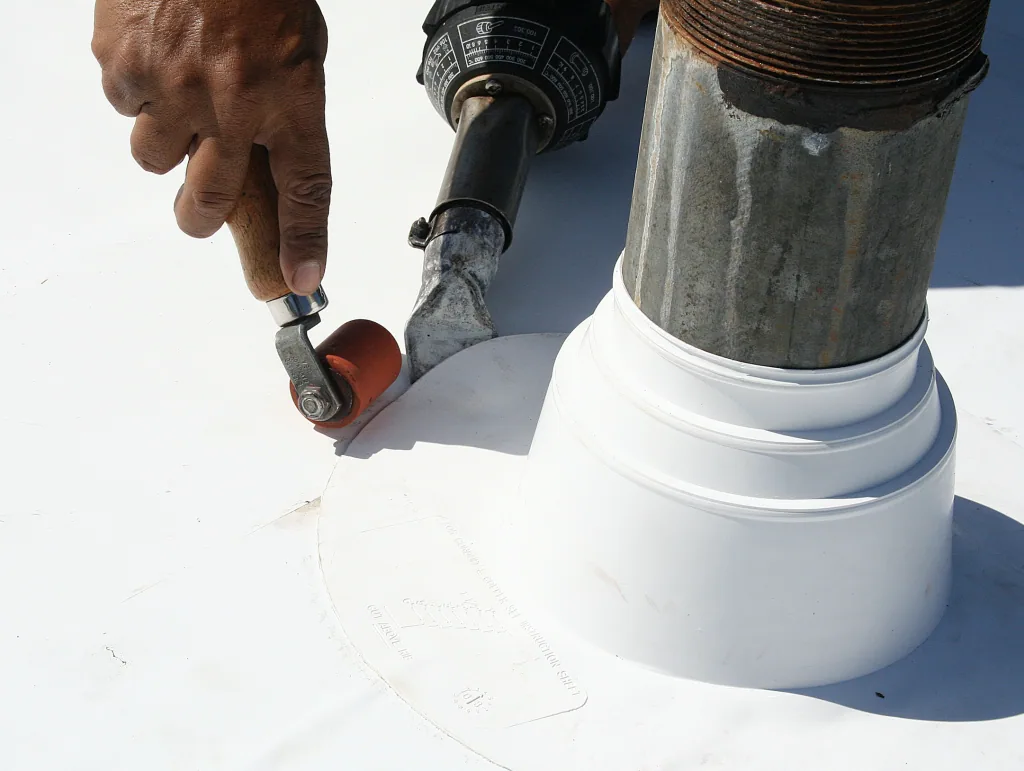
Assess the affected assembly within the evidence
A confirmed local defect does not establish the condition of all material below it. Suitable authorized investigation may be needed where retained layers affect the correction. Samples show conditions at their locations. Further information can be necessary to establish extent and choose the useful removal or retention boundary for the actual assembly.
Our supporting-layer review explains relevant reconstruction questions. Document the observed condition and the basis for the proposed work. Interior property and equipment concerns need the owner's coordination with appropriate personnel. Where a claim is being considered, our claim documentation assistance organizes dated observations and the defined roofing scope without deciding coverage or payment.
Request a Roof Assessment
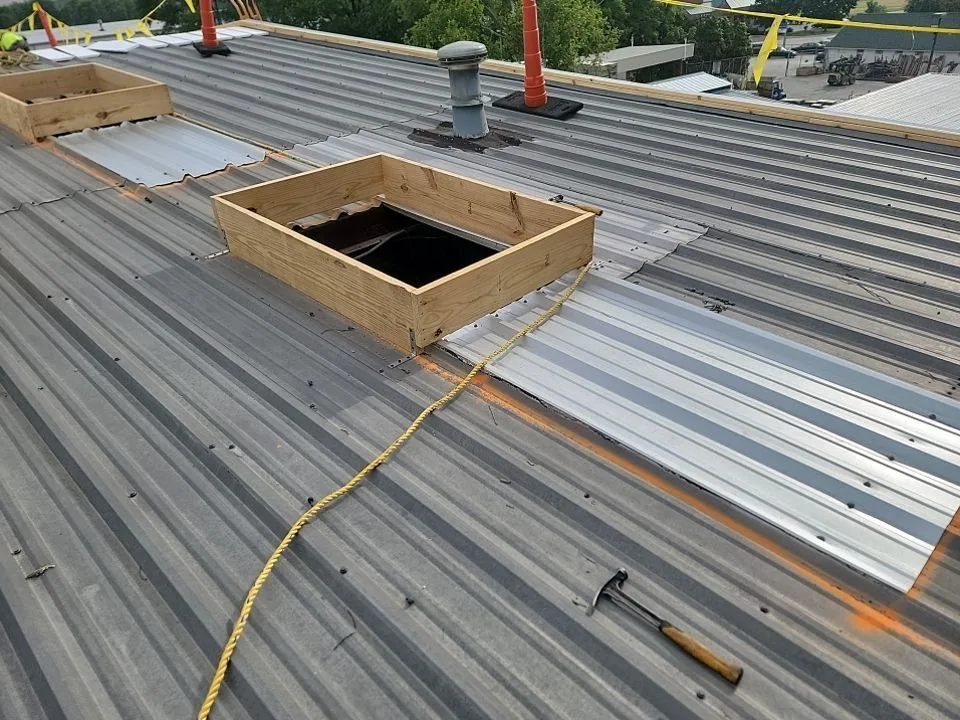
Set the work period from the roof and site
Corona's hot summers and cooler-season rain inform planning, while actual surface and access conditions establish the useful work period. Regional Santa Ana winds can affect handling and access. Examine the property rather than assigning damage from a regional event. The selected repair procedure and current observations need to support the planned task.
For a building in Rincon Corona Industrial Park, coordinate the actual receiving route and reported area with the operator. The park's documented industrial setting near SR-91 makes those instructions useful planning information. At a Norco property, obtain its own access and equipment arrangements before scheduling investigation or correction.
Request a Roof Assessment
Close out the correction and remaining questions
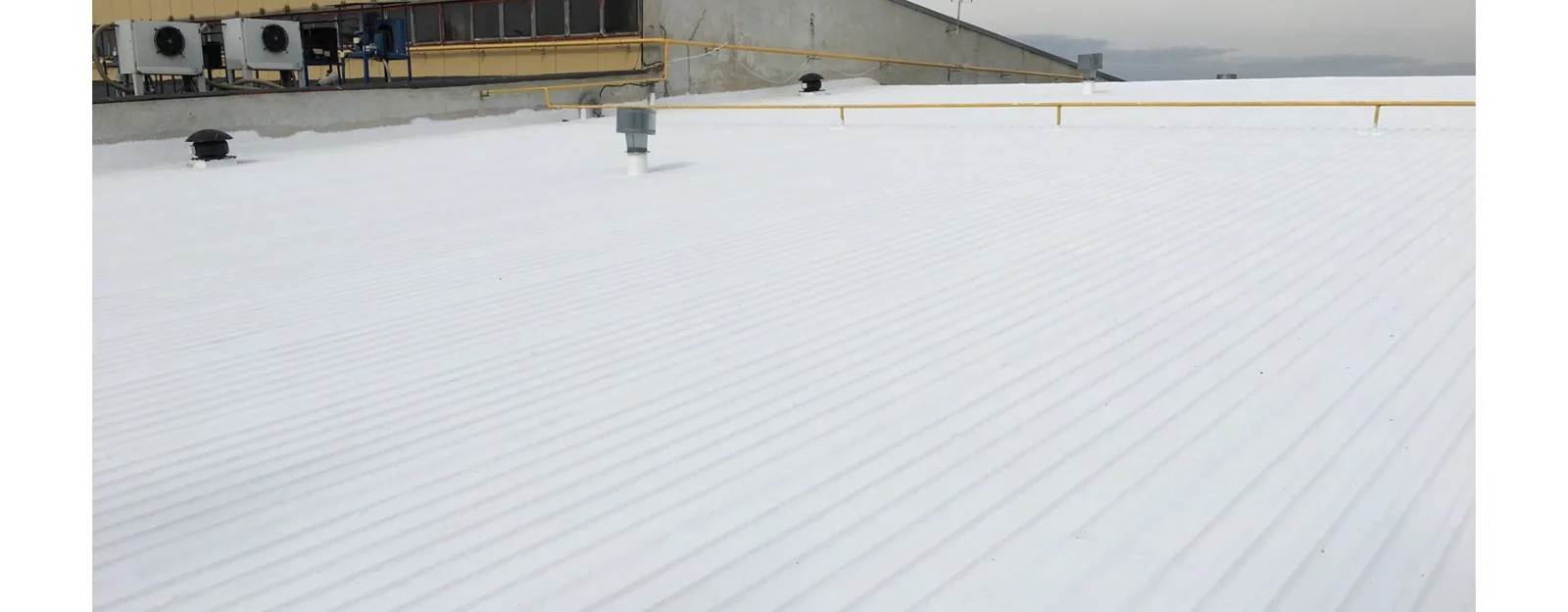
Photograph the completed connection at the original roof reference and record materials, relevant checks and approved changes. Keep the repair purpose with any limitation on the established source or concealed extent. The owner gets a short ordered account of what was done and the next task, including any follow-up examination or adjoining trade responsibility.
If water returns, compare the new observation with the completed repair and examine the source again. A dry interior interval alone does not prove every concealed layer is dry or establish performance under all conditions. Add the new information to the same location record. The next recommendation can then use the actual repair and findings rather than repeating an assumed cause.
Leak investigation should end with a traceable explanation of what was checked and what the result supports. Locate the interior report, compare it with the roof layout and mark the accessible seams, penetrations, walls and outlets that could connect to the path. A source may remain uncertain when water has moved through concealed layers or an area could not be accessed. State that limit plainly and identify the next inspection or opening needed to resolve it. Once a source is supported, define the repair at both the entry detail and its receiving material. That record lets the owner judge whether the proposed correction addresses the evidence or only the visible symptom.
Request a Roof Assessment
Start with the reported area and a roof walk
Share the address, water observations and access contact. We will examine the relevant connections and provide a short ordered account of findings, suitable correction and any further check needed.
Questions
Commercial Roof Leak Repair: Common Questions
Locate the report and examine relevant roof and building connections. Water may travel before appearing below. The finding needs a usable basis for the proposed correction, not proximity alone.
Treat them as investigation information. Review actual connections and involve qualified personnel where equipment or plumbing questions arise. Keep the cause unresolved where the examination has not established it.
Select suitable authorized assessment for the actual construction and question. Review necessary protections and relevant conditions. A generic flooding or drain-plug procedure should not be assumed.
Assess current access, conditions and the affected construction before selecting suitable measures. Coordinate the task and follow-up period. Its purpose and limitations should be explained to the owner.
Retain locations, photographs, materials and relevant checks with the observed defect and correction. Record remaining questions and later observations. Coverage decisions belong to the applicable policy and insurer.