Commercial Roof Seam Failure Repair in Corona
Commercial Roof Seam Failure Repair
Begin the seam assessment by identifying the installed membrane and the accessible connection. An apparent opening needs its own examination before a repair length is assigned. Commercial Roofers of Corona records the condition and the receiving material around it. The owner sees what preparation makes the proposed joint suitable, rather than an unexplained price for a line on the roof.
Earlier treatments and adjoining details can change the repair method. A thermoplastic joint and a rubber-membrane connection do not use interchangeable products or preparation. Confirm the actual material and useful records while locating the concern.
The next steps establish whether a defined correction can connect to the surrounding construction or needs additional receiving work. Carry that decision into the price with access, protection and approval for unexamined material. The finished scope identifies the physical joint it will complete and the question still requiring another assessment.
Request a Roof Assessment
Mark the Connection and Examine Its Surroundings
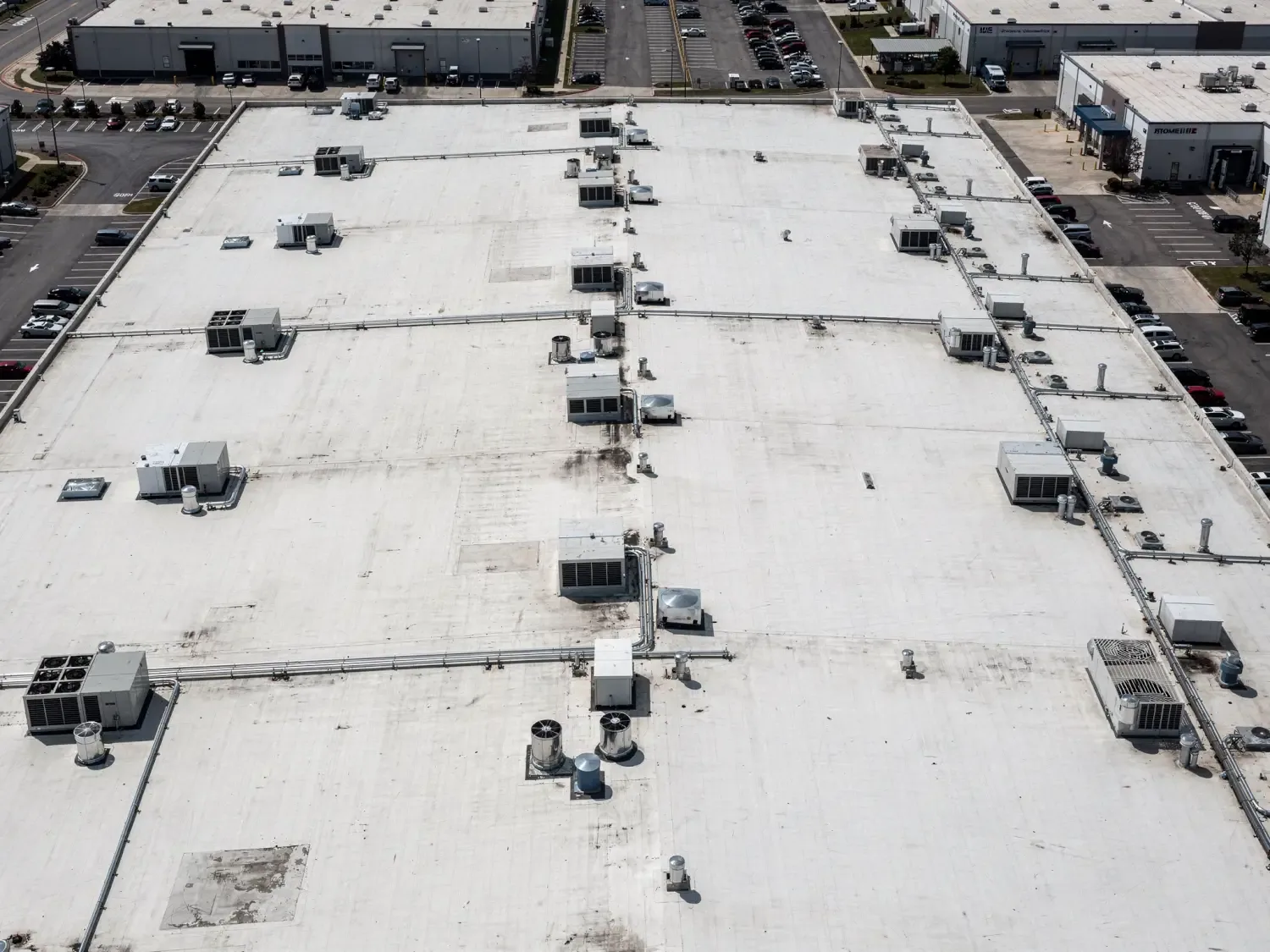
Locate the suspect joint against recognizable roof references. Photograph its exposed condition and nearby prior repairs. Use suitable examination methods for the installed system. An image of discoloration or an edge irregularity may support further review without establishing the opening's depth or the condition beneath it.
Commercial roof inspection compares accessible seams with curbs, outlets and perimeter connections. Retain which sections could be examined. Different additions or repair materials may require separate preparation choices rather than one method extended across the whole building.
Industrial properties around Railroad Street and Sampson Avenue have their own access and receiving movements. Confirm the subject premises and operator instructions before arranging the roof approach. The local setting helps organize the visit but supplies neither the installed membrane identity nor the working clearances at that connection.
Request a Roof Assessment
Establish the Material-Specific Joining Boundary
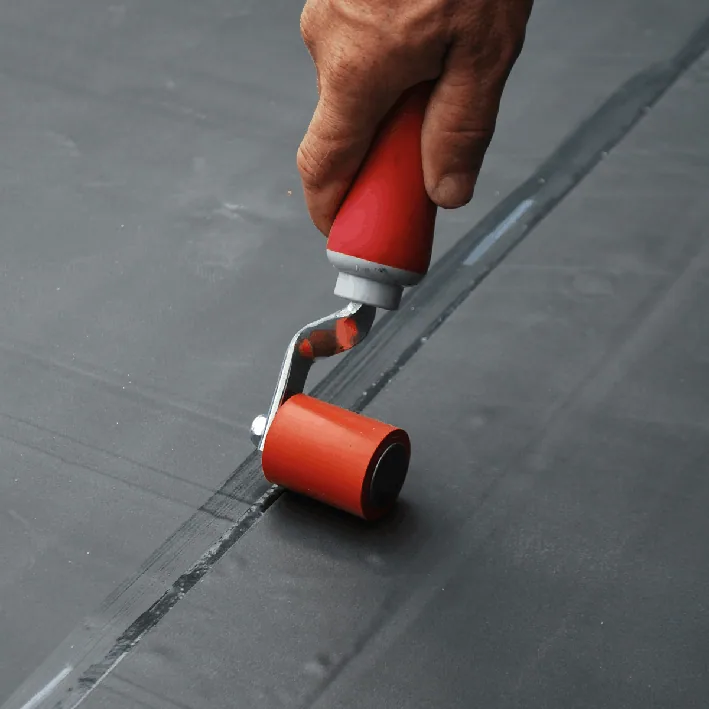
Determine what suitable material is available beside the failed connection. Weathering, residue or earlier work may require cleaning, removal or another compatible preparation step. Explain the boundary that the selected method can use. If it cannot receive the repair, identify the reconstruction that changes the option.
TPO roofing repair requirements apply to the particular installed product and receiving condition. For EPDM roofing connections, use the appropriate bonding and accessory requirements instead. A system category alone is insufficient to approve an earlier treatment or make every surface ready for joining.
Record required supporting correction beside seam work. A sound-looking upper layer does not settle concealed base condition. Where that question affects the option, arrange suitable investigation with authorization and closure. Samples describe their local positions, while a broader retained-construction or removal decision needs evidence appropriate to its proposed extent.
Request a Roof Assessment
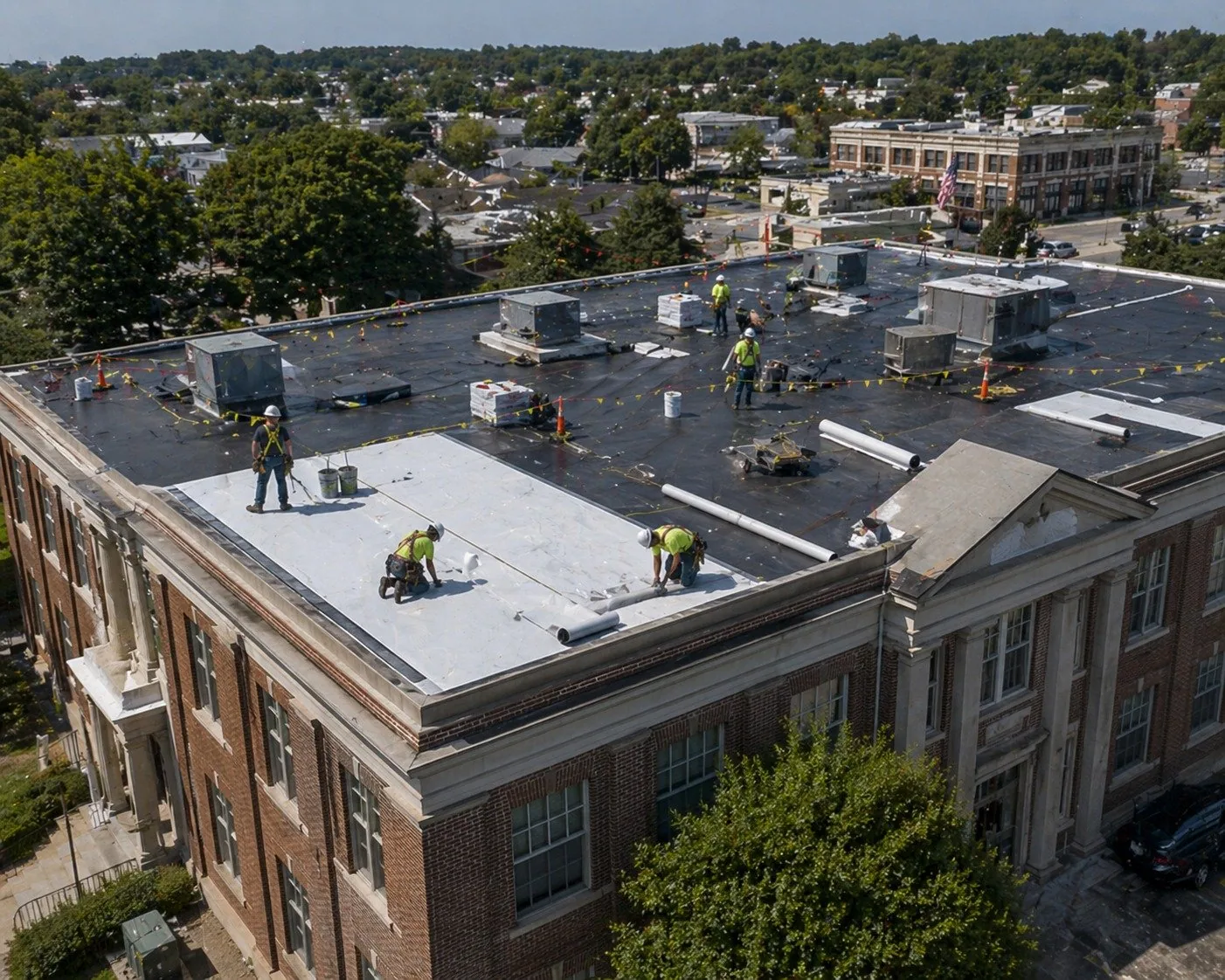
Relate the Seam Finding to the Reported Symptom
Commercial roof leak examination compares the interior report with accessible exterior evidence and relevant equipment activity. Water may follow hidden layers before appearing below. A suspect seam can need correction without independently establishing the source of every room mark.
Thermal indications, where suitable for the question, require interpretation and appropriate confirmation. Keep test locations and coverage limits with the proposed work boundary. An unconfirmed pattern should not silently become a measured quantity of wet material in the estimate. Assign an equipment or wall-path concern separately when it remains unresolved.
Where the seam meets a curb or wall, examine the transition as its own detail. Flashing failure correction may be required alongside the field joint. Identify the preparation and upper connection rather than hiding that task within a general seam-length allowance.
Request a Roof Assessment
Roof Damage Repair
Related Commercial Roofing in Corona
Other services, systems and buildings that often come up alongside this work.
Roof Systems
Commercial Roof Systems We Work With
Single-ply, built-up, metal and coating systems we install and repair across Corona:
TPO Roofing
Corona TPO roofing reviews the complete assembly, compatible welded details and suitable installation checks before defining the work sequence.
PVC Roofing
Corona PVC roofing reviews product-specific exposure, complete assembly requirements and compatible welded details before planning the roof work.
EPDM Roofing
Corona EPDM roofing reviews rubber membrane condition, compatible seam procedures and complete supporting requirements before planning the work.
KEE Roofing
Corona KEE roofing reviews the selected membrane, actual exposure and complete construction before coordinating suitable preparation and details.
Modified Bitumen Roofing
Corona modified bitumen roofing reviews layered construction, suitable application methods and actual facility.
Built-Up Roofing
Corona built-up roofing examines layered construction, suitable repair connections and application controls before defining the complete work.
Need Help With a
Commercial Roof?
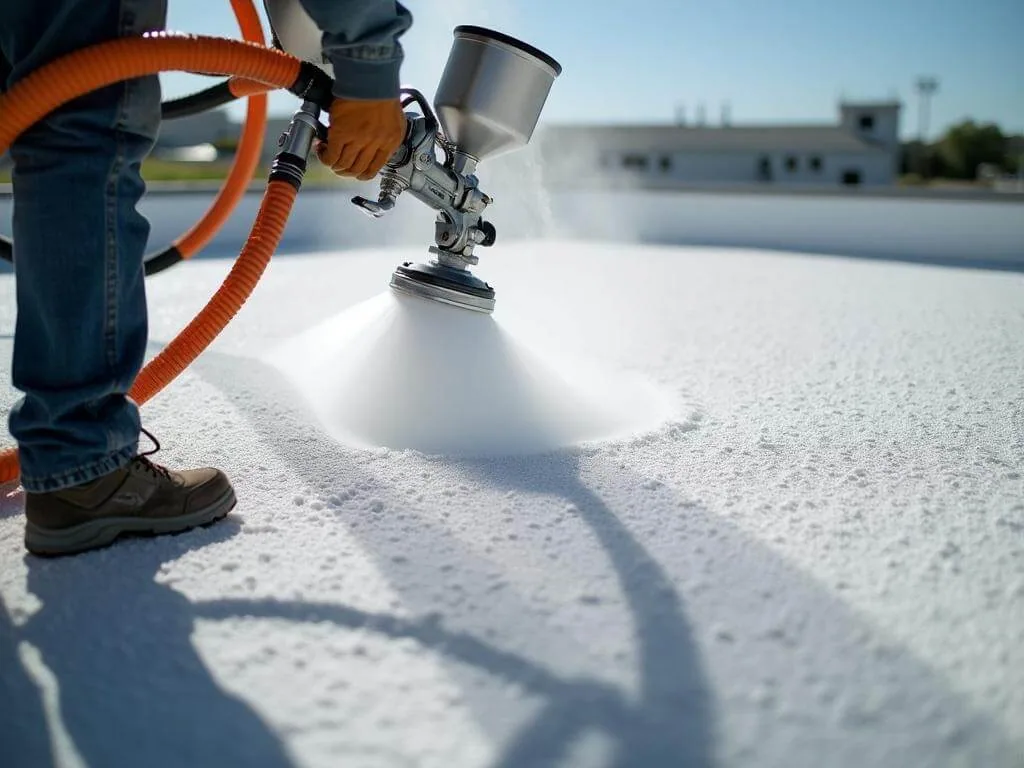
Set the Phase With Its Operating and Approval Requirements
Confirm affected rooms, contents and services with the building representative. Keep suitable interior protection beside investigation and permanent work. Handling and waste routes belong in the operation before the owner accepts the price. Restricted periods can change the work boundary or require another setup, with those effects visible in the proposed sequence.
Qualified equipment teams retain service decisions with the operator. Roofing personnel preserve functioning intakes and do not disconnect equipment for convenience. If another task must establish working room, place its readiness check ahead of seam preparation. The roof method follows the accepted service and receiving arrangement.
Actual weather, surface condition and selected product instructions govern application. A preferred date is an organizing input rather than acceptance of every receiving surface. If removal uncovers additional deterioration, locate the finding and proposed correction, then submit the quantity and cost through approval before the boundary expands. Protection responsibility remains clear while the new decision is reviewed.
A seam defect and a nearby puncture opening are different findings. Mark each position and establish suitable surrounding material before combining their correction in one work area.
Request a Roof Assessment
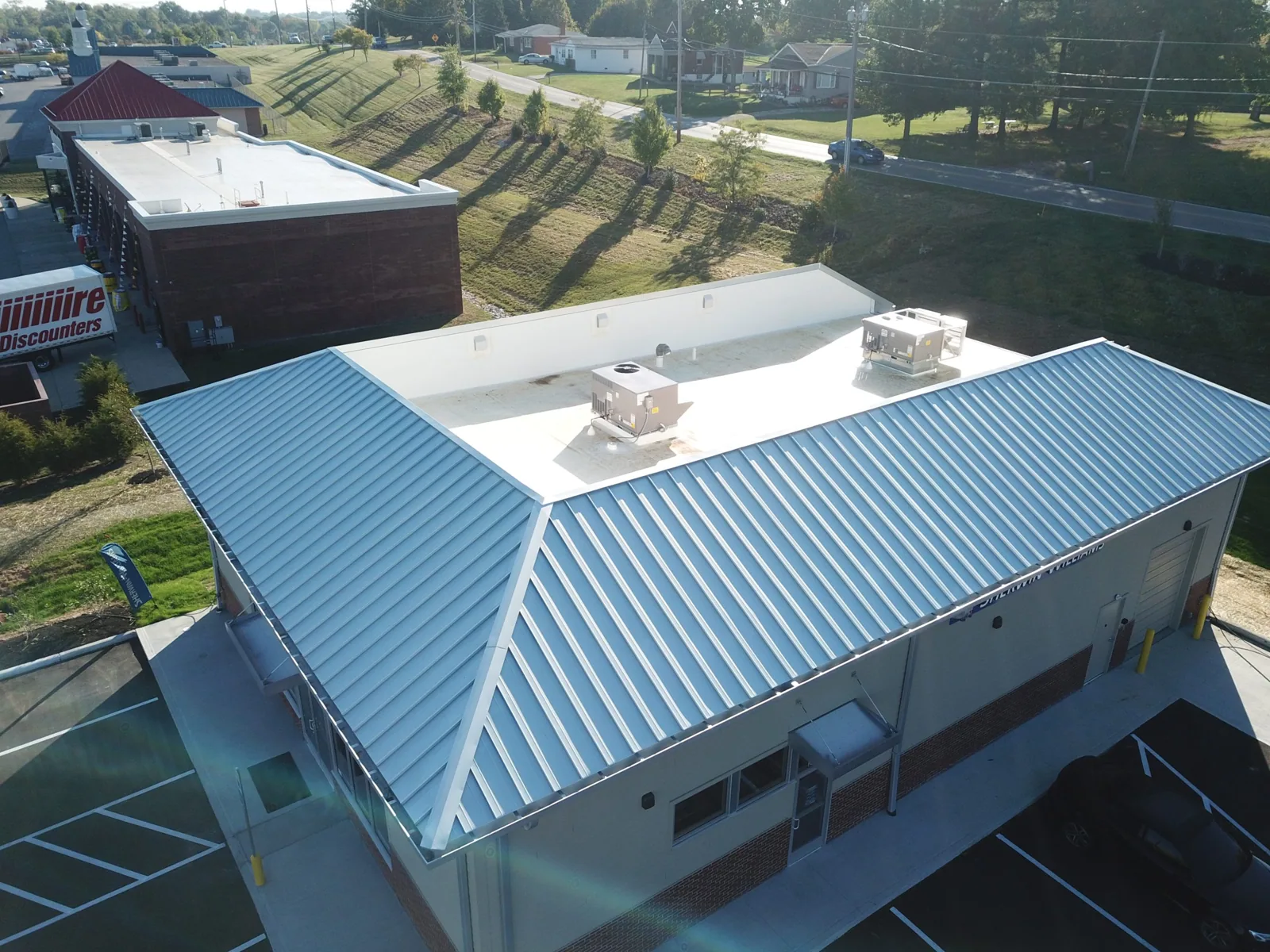
Check the Construction Basis Before Selecting Materials
Use the actual address, authority and accepted application basis for the proposed task. Corona adopts the 2025 California Building Code with local provisions. Review requirements applicable to the alteration rather than relying on a material previously approved elsewhere. Relevant support or other designed changes stay with the responsible qualified participants.
Energy obligations have work and building applicability, compliance routes and exceptions. Establish the approach needed for the selected retained or replacement assembly. Reflectivity or a familiar system name cannot independently settle every requirement. Keep product instructions and any issued warranty notice or alteration provisions with the method being considered.
For a job in the Railroad Street and Sampson Avenue industrial area, confirm the permitted handling arrangement at the subject property. Adjacent land requires its own permission. Carry actual equipment dimensions and necessary preparation space into procurement so a repair order is based on a connection that can be performed.
Request a Roof Assessment
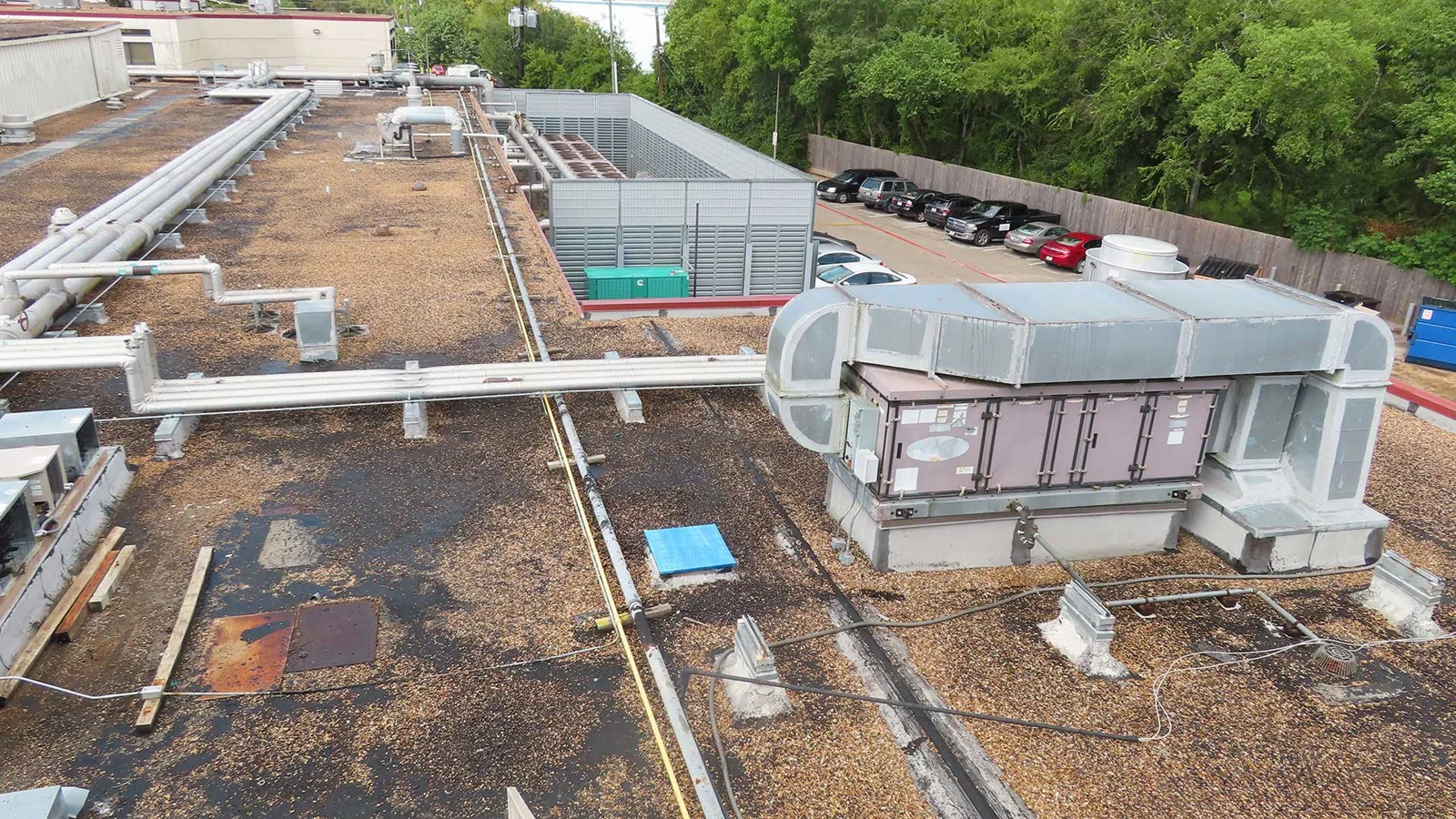
Retain the Installed Joint and the Check Coverage
Photograph relevant receiving preparation before the completed repair conceals it. Keep installed materials and accepted changes under the original connection references. Identify the method and roof positions covered by each specified acceptance check. A finished joint is a defined construction task rather than proof that every concealed layer or adjoining connection was examined.
Preventive roof maintenance places later observations and care at recognizable roof positions. Follow applicable system requirements with the building's condition. Subsequent service alterations should use the installed detail record instead of assuming the original surface is unchanged.
Add a later water report with its own date and operating circumstances. Compare it with the completed seam, adjoining details and intervening activity before assigning the same exterior mechanism. The next owner can identify the correction accepted, the concern excluded and the investigation still requiring a responsible decision from one ordered work record.
Record any planned follow-up contact beside the installed joint so a reported change reaches the person responsible for reviewing that correction.
Locate the seam failure and identify the membrane type before selecting a repair method. Examine the opened length, adjacent seams and the surface available for a compatible weld, tape or other specified connection. Record whether separation is isolated or continues beneath a prior patch. The repair boundary should reach material that can accept the selected preparation, not simply cover the visible opening. For repeated or widespread separation, compare field findings across representative roof zones before pricing systemic work. Preserve photographs of preparation and the completed seam so follow-up inspections can distinguish repaired sections.
Request a Roof Assessment
Start With the Installed Roof Connection
Arrange a Corona seam assessment. We will identify the material and receiving boundary, then set out preparation and connected correction work in order.
Questions
Commercial Roof Seam Failure Repair: Common Questions
Identify the installed material and examine the usable joining boundary. State preparation and receiving reconstruction where the method needs them.
Use the particular product and repair requirements. Similar appearance does not establish material compatibility or make joining methods interchangeable.
Compare the interior timing with exterior and related service findings. Keep another unresolved path assigned to its appropriate examination.
Locate preparation and the installed joint. Keep products, accepted changes and check coverage with excluded concerns and required care.