Multi-Site Roof Programs in Corona, CA
Multi-Site Roof Programs
Give each building's roof concern its own position before arranging the group work calendar. A Corona owner managing several properties needs comparable findings and practical tasks, while every roof still has different construction and operating requirements. We coordinate multi-site roof programs from located assessments through accepted correction and completion records. The owner can review the next work across buildings with each property's access, evidence and responsible person identified.
Start with the included addresses and decisions required during the planning period. A consistent reporting method makes findings easier to compare, but the construction scope follows the condition examined at each roof. Carry unresolved questions into their own investigation tasks so the group plan distinguishes work ready for approval from work that still needs information.
Request a Roof Assessment
Establish one reference method across the buildings
Collect available drawings, installation history and service records for each property. Give buildings and separate roof sections recognizable identifiers, retaining document dates and construction differences. Compare the references with accessible areas before linking a finding to them. A later addition, changed equipment position or separate installation needs its own information where it affects the proposed work.
Use a common condition assessment format to retain findings and examination limits. Distinguish observed defects from concealed concerns and confirmed local material condition. The owner can then compare the evidence across roofs without treating the same defect label as the same construction quantity. Assign further examination at its actual location and state the decision that requires it, making the next useful action clear in the group record.
Request a Roof Assessment
Arrange receiving and access at each property
At a Rincon Corona Industrial Park building, identify the local operator and relevant roof sections before arranging a phase. Industrial development context helps place the property, while current examination establishes the construction need. Keep material receiving, equipment service and affected rooms with that building's scope. The owner can review the proposed correction with the practical arrangements required for its operation.
A location in the Railroad Street and Sampson Avenue area needs its gates and handling positions checked independently. Nearby addresses can have different entrances and receiving restrictions. Confirm contacts and supporting tasks before deliveries are committed. Regional freeway access informs travel coordination, while the property's accepted route and operating controls determine how work reaches and protects its actual roof section.
Request a Roof Assessment
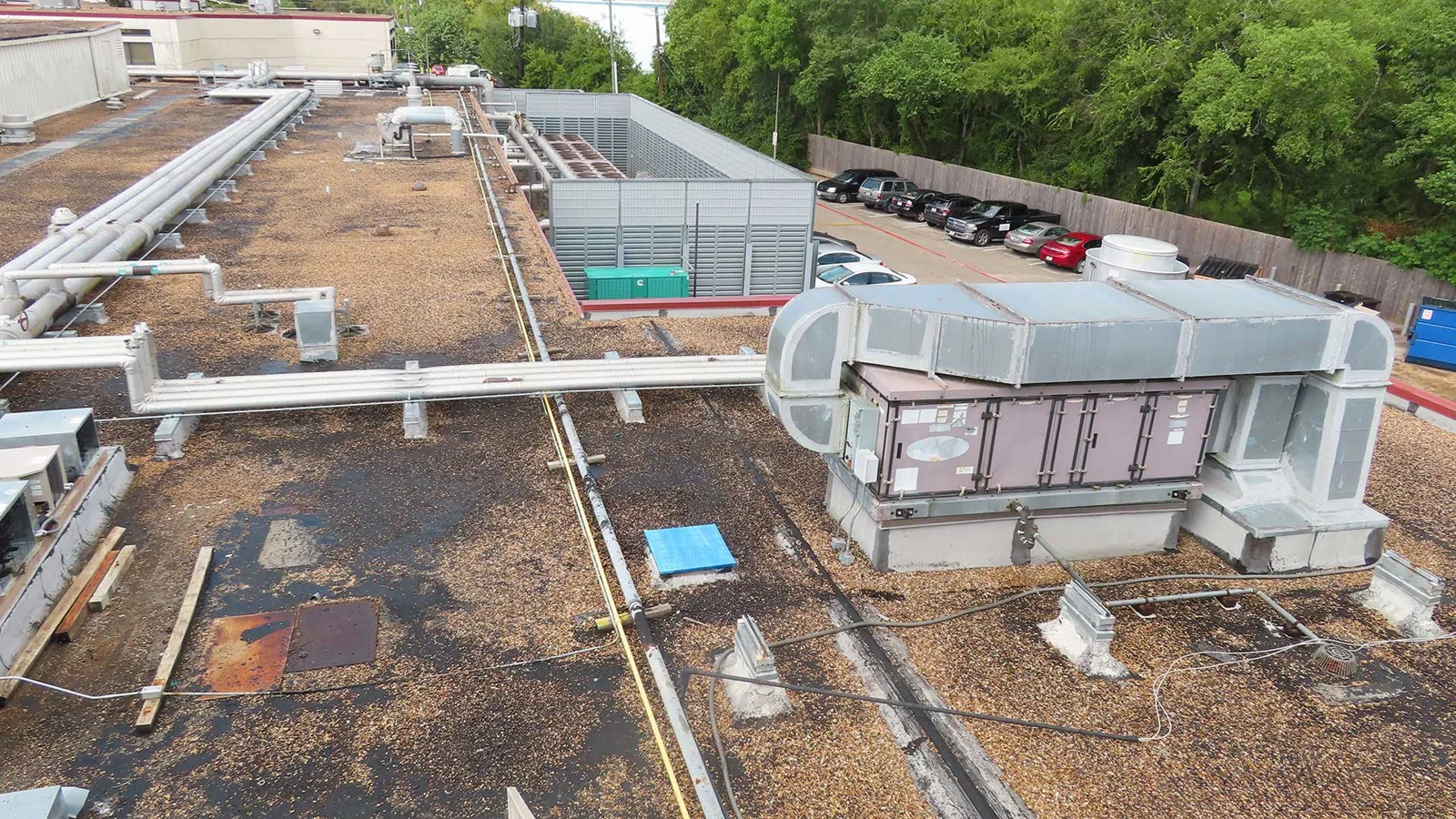
Compare the next action from the condition found
An active interior concern needs assessment of its cause and suitable protection, with permanent scope developed from the connection established. Another roof may need a planned flashing correction or investigation of retained layers. Keep those next tasks distinct. A building awaiting access or confirmation should show that dependency, allowing the owner to arrange information before comparing a broad removal quantity with measured correction elsewhere.
For coordinated roof funding, include supporting work and occupied protection with the option that requires them. Thermal indications need useful interpretation and appropriate confirmation. Samples establish their examined layers and positions, while wider construction needs adequate evidence for its extent. The group comparison can identify which investigation could change an option and which complete scope is ready for the owner's next review.
Request a Roof Assessment
Roofing Capabilities
Related Commercial Roofing in Corona
Other services, systems and buildings that often come up alongside this work.
Roof Systems
Commercial Roof Systems We Work With
Single-ply, built-up, metal and coating systems we install and repair across Corona:
TPO Roofing
Corona TPO roofing reviews the complete assembly, compatible welded details and suitable installation checks before defining the work sequence.
PVC Roofing
Corona PVC roofing reviews product-specific exposure, complete assembly requirements and compatible welded details before planning the roof work.
EPDM Roofing
Corona EPDM roofing reviews rubber membrane condition, compatible seam procedures and complete supporting requirements before planning the work.
KEE Roofing
Corona KEE roofing reviews the selected membrane, actual exposure and complete construction before coordinating suitable preparation and details.
Modified Bitumen Roofing
Corona modified bitumen roofing reviews layered construction, suitable application methods and actual facility.
Built-Up Roofing
Corona built-up roofing examines layered construction, suitable repair connections and application controls before defining the complete work.
Need Help With a
Commercial Roof?
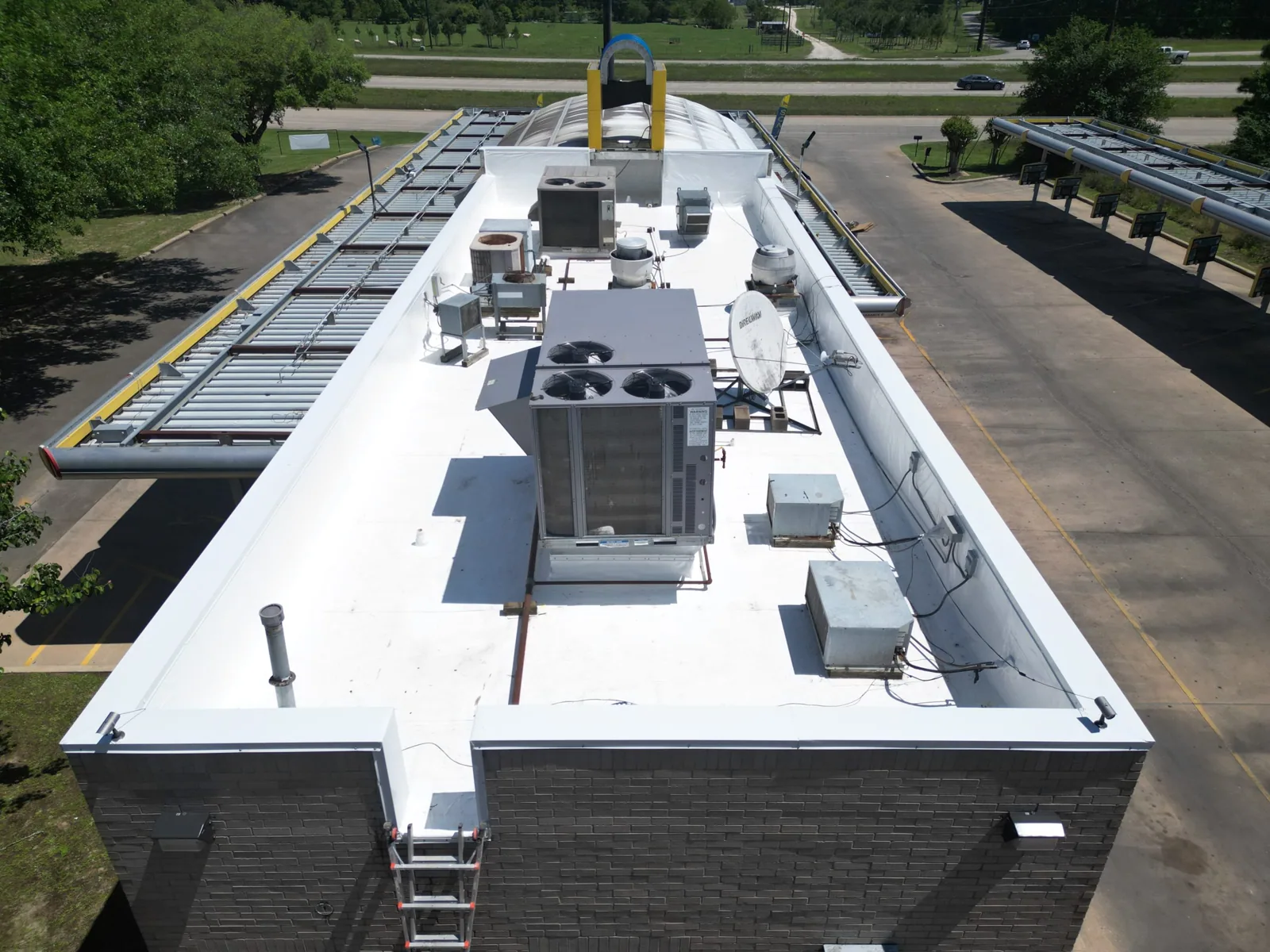
Develop the correction with the supporting trades
A repair at a particular building needs compatible receiving material and a complete weather connection. A related wall, equipment or support task retains its responsible team. Define those interfaces before assigning the phase, keeping the information needed to finish them with the roofing scope. Another trade's unfinished component should remain visible to the owner arranging the complete correction.
For removal over occupied space, identify affected rooms and the operating precautions approved by responsible personnel. The method needs suitable protection and practical opening limits for the actual construction. If another finding changes the task, locate and measure its supporting correction, then follow the agreed review route. Update the work sequence with that accepted change and its effect on local activity.
Request a Roof Assessment
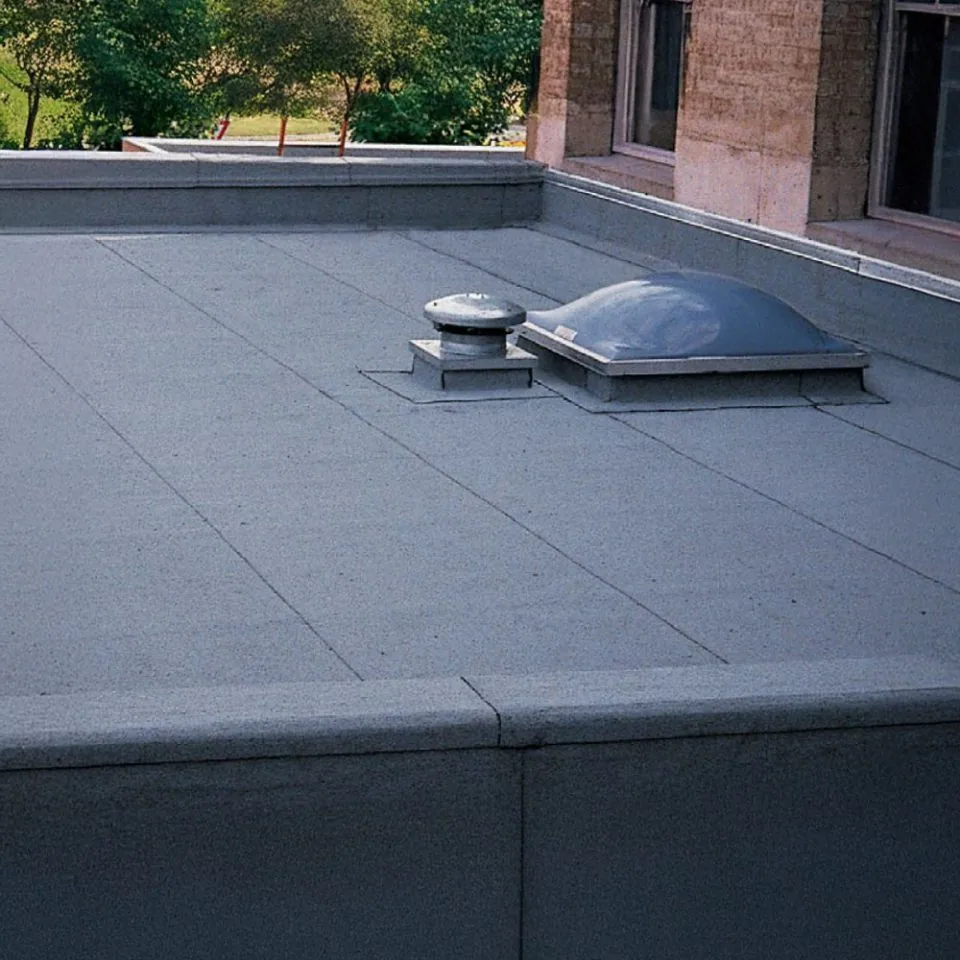
Set work periods from actual material and access conditions
Corona's regional heat and Santa Ana winds can influence roof handling and application readiness. Assess the receiving surface, selected product requirements and safe access for each building's method. A shared calendar need not assign the same application period to roofs with different conditions. Retain the actual preparation or service task needed before a phase is ready, allowing the owner to coordinate useful work rather than a date alone.
The assembly and design basis also follow the property. Identify the applicable authority, submission basis and project provisions for each alteration. Corona adopts the 2025 California Building Code with amendments, while a nearby jurisdiction or installation may require its own review. Keep support, attachment, fire and energy decisions with the option they affect. Scope-specific Energy Code provisions and compliance alternatives require project determination before materials are purchased.
Request a Roof Assessment
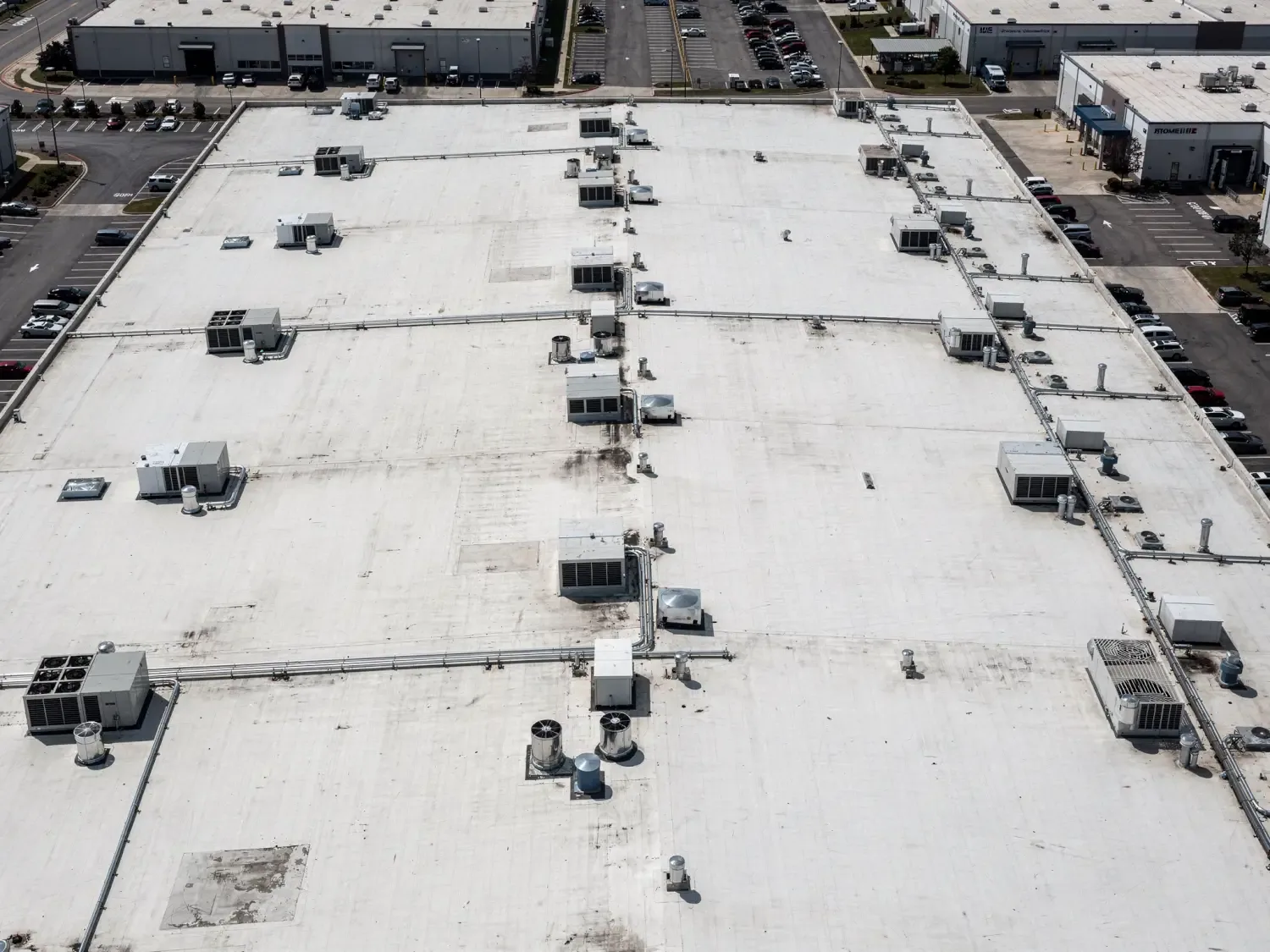
Keep maintenance and agreement tasks in their proper sequence
A planned service program records locations, observations and completed tasks across the included buildings. Use the common format to follow outcomes, retaining each property's installed details. An outlet clearing, interface correction and requested equipment review support different later actions. Any unfinished task needs a responsible person and further arrangement, so the service date remains connected to its actual result.
Keep issued agreement review steps with the installation concerned. Notice, requested inspection and applicable alteration approval can introduce another coordination task. Retain the written status and required follow-through separately from the physical recommendation. The owner can then see what needs document participation and what construction scope remains under consideration without treating either process as automatically complete.
Request a Roof Assessment
Carry completed work and remaining questions into the next period
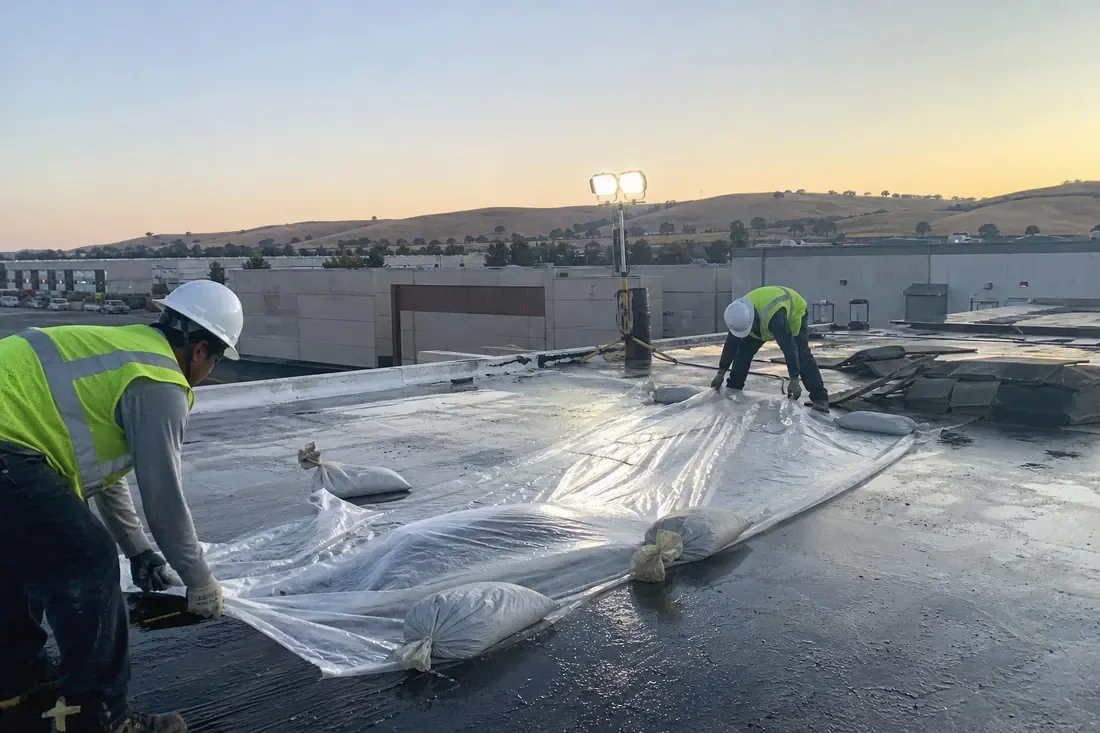
Retain completion photographs, installed-product information and authorized changes at the roof sections worked. Compare those outcomes with the accepted scope before updating the group record. A phase completed at one property does not resolve another building's support task or concealed question. Keep the remaining action and practical access requirement available, allowing the next visit to address the actual unfinished work.
Review the shared calendar from those building records. Identify construction ready for procurement, investigation awaiting permission and work dependent on local operating arrangements. Give each task its next responsible contact and review point. The Corona owner can follow the program from the condition first found through the work completed, carrying a clear physical and operating basis into the next maintenance or funding decision.
Standardize how sites are documented while leaving scope decisions local to each roof. A common record can capture system, zone, finding, access, quantity basis, priority and action owner, then flag sites that need design or warranty review. Compare recurring patterns only after verifying that construction and detail conditions are sufficiently alike. Keep site-specific approvals, contacts and completed-work evidence attached to each record. This gives a central program manager a reliable property group view without converting a useful framework into a blanket repair specification.
Request a Roof Assessment
Put Each Building Roof Task in a Practical Order
Share the included properties and operating requirements so we can arrange comparable examinations and coordinate each roof scope with its next responsibility.
Questions
Multi-Site Roof Programs: Common Questions
Location references, finding categories and task status. Retain each building's actual materials and examination coverage. The owner can compare evidence without assuming identical scopes.
Assess their construction and operating requirements separately. Confirm receiving routes and product conditions. Select the practical method for each accepted scope.
Locate and measure the additional correction. Use the agreed approval route and retain protection needs. Update the phase from the accepted change.
Record the work actually performed and its location. Give remaining work its own responsibility. Keep the next examination or supporting service clearly assigned.
The accepted scopes, completion photographs and current findings. Retain unresolved quantities and practical access requirements. Compare the next decisions from each building's evidence.